








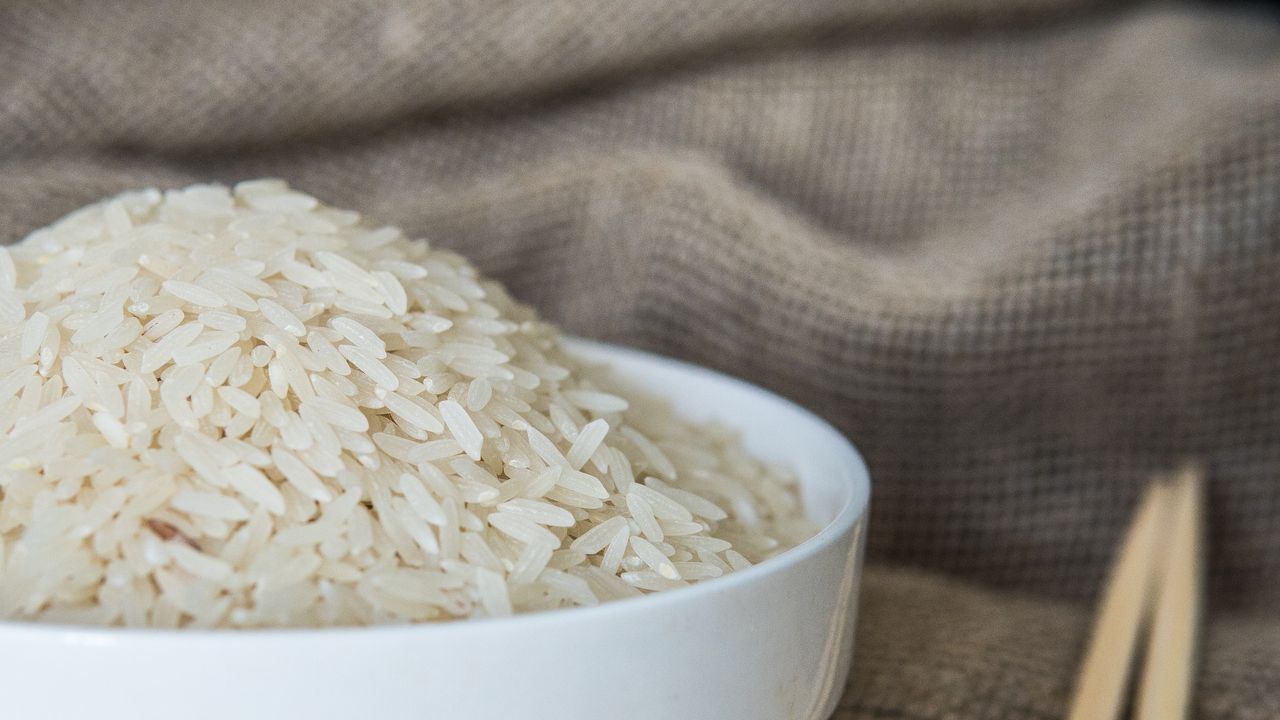
Rice is undeniably the world’s most consumed food, forming a fundamental part of diets across the globe. Its cultivation spans nearly every country, with Asia being a hub of rice production, where it holds a pivotal role in various cuisines. In regions like Central and South America, rice consumption is on the rise, while in parts of Europe, such as Italy and Spain, rice is integral to beloved dishes like risotto and paella. The diverse varieties of rice each bring unique characteristics to the table, elevating them to certain culinary applications. Among these, basmati rice, known for its long, delicate grains, has garnered popularity not just for its flavor but also for its nutritional benefits, especially among athletes.
Basmati rice is distinct from “normal” rice primarily in its shape and cooking characteristics. Its long, narrow grains elongate even more when cooked, keeping them separate, unlike the more oval, clumping grains of other varieties. Furthermore, basmati retains more fiber and nutrients compared to refined white rice, making it a healthier option. With a lower glycemic index than standard white rice, it aids in preventing sudden spikes in blood sugar, a benefit valued especially by those mindful of their health. Additionally, basmati excels in absorbing flavors and boasts an aromatic profile that adds depth to various dishes.
In terms of nutritional value, basmati rice presents a compelling profile. Just 100 grams of cooked basmati rice contains about 27 grams of carbohydrates, 2.5 grams of protein, and minimal fats. It also enhances our diets with important B vitamins and minerals like iron, zinc, magnesium, and phosphorus. The low glycemic index of basmati rice plays a crucial role in managing blood sugar levels, helping to prevent the negative effects associated with glycemic spikes, such as increased hunger and insulin resistance.
Cooking basmati rice can be simple if you follow a few pointers. Properly rinsing the rice multiple times is essential, as it helps remove excess starch, preventing it from becoming sticky. After rinsing, soaking the rice in cold water for at least 30 minutes can further enhance its texture. For the best results, use a water-to-rice ratio of 2:1; for every cup of rice, add two cups of water. Once combined, bring the mixture to a boil before reducing the heat and covering the pot, allowing the rice to absorb the water fully without lifting the lid.
For those looking to elevate their basmati rice experience, a spiced basmati rice recipe does just the trick. You’ll need 160 grams of basmati rice, some oil, a small onion, and a mix of spices such as cinnamon, cardamom, and turmeric. Start by sautéing the onion and spices in oil, then add the rice and lightly toast it. Following the proper water and cooking instructions will yield perfectly fluffy basmati rice, which you can enhance further by adding fresh coriander and roasted cashews for an appealing finish.
In conclusion, basmati rice is a remarkable staple that not only serves as a primary food source for millions but also embodies culinary versatility and nutritional benefits. Its rich history, diverse applications, and health advantages make it a pantry must-have. Whether enjoyed plain, spiced, or combined with an array of ingredients, basmati rice continues to nurture and delight those who choose it as a dietary cornerstone. So next time you indulge in a bowl of this fragrant grain, remember its journey and the joys it brings to our tables worldwide.


