








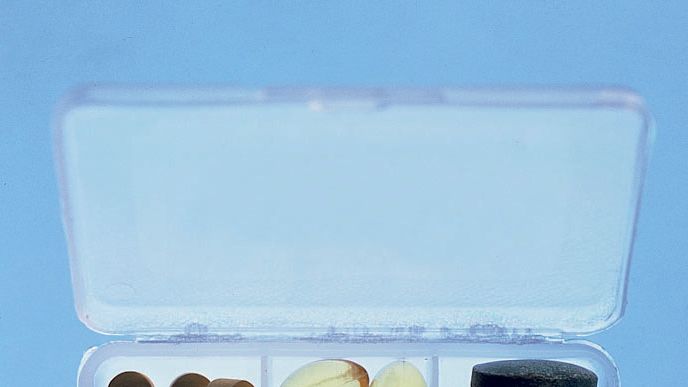
Ensuring your body receives essential vitamins before and during pregnancy is crucial for both your health and that of your developing baby. Experts emphasize that a balanced diet combined with the right prenatal supplements can significantly enhance your nutritional intake. Dr. Sara Kayat points out that a woman’s body experiences various changes during pregnancy, necessitating an increased supply of nutrients to support fetal growth and development. However, with countless options available, selecting the appropriate supplements can be overwhelming. Engaging with professionals can help clarify what is best for your specific needs.
When choosing prenatal supplements, several factors come into play, including the specific vitamins they contain and their dosages. Healthcare providers may suggest particular brands or dosages tailored to individual circumstances, highlighting the need for careful consideration of one’s nutritional status. Nutritionist Lola Ross stresses that relying solely on prenatal vitamins might not meet all nutrient requirements throughout pregnancy. Consulting with healthcare professionals is important to ensure you get the supplementation needed to fill any nutrient gaps. Remember, prenatal vitamins should enhance—not replace—a balanced diet during this vital time.
The variety of prenatal vitamins available can cater to personal dietary preferences, like vegan or gluten-free needs. For instance, brands such as Wild Nutrition and Cytoplan produce targeted formulas with essential nutrients that support mothers throughout pregnancy and beyond. Wild Nutrition’s Food-Grown Pregnancy + New Mother Multi, with its comprehensive ingredient list, stands out, though it requires taking multiple capsules daily. Cytoplan’s Pregna-Plan offers robust nutritional support and is well-regarded for its focus on essential elements like folate, which is crucial for preventing neural tube defects.
Regarding the best sources of Omega-3, Bare Biology’s Mums & Bumps captures attention with its easy-to-swallow daily capsule that packs a nutritional punch. Omega-3 fatty acids are vital for fetal brain development, making these supplements particularly important for pregnant women. Other reputable options, like Wiley’s Finest Prenatal DHA, also stress superior sourcing and dosage, catering to pregnant and breastfeeding women. As with all supplements, researching their quality and reliability is critical for safety and efficacy.
When considering what nutrients to look for, experts suggest folic acid and vitamin D are paramount. Folic acid aids in cell growth and is particularly effective in reducing the risk of neural tube defects when taken early in pregnancy. Vitamin D plays a vital role in bone health and should be taken in appropriate dosages to avoid adverse effects. Additional nutrients like iron and omega-3 fatty acids contribute to overall maternal health and fetal development. If you’re considering a multivitamin, remember that prenatal supplements are formulated specifically for pregnancy and may include unique nutrients that general multivitamins do not.
Finally, while supplements can play a significant role in maternal health, the need for proper consultation with healthcare providers cannot be overstated. They can offer guidance on the right vitamins suited to individual needs, advise on dosage, and help avoid undesirable side effects. Furthermore, it’s paramount to be mindful of potential harmful additives found in some products. Choosing high-quality, appropriately dosed prenatal vitamins designed for pregnant women can ensure a healthier pregnancy journey for both mother and child. Ultimately, being proactive about your prenatal nutrition can lay a solid foundation for your baby’s health and wellbeing.


