

Discovering Ricotta: The Creamy Powerhouse of Health
When it comes to cheese, ricotta stands out in a world brimming with diverse varieties. Made from the milk of cows, sheep, goats, or even buffalo, ricotta can also be found in delightful forms such as salted, baked, and smoked. This fresh cheese has earned a place of honor in kitchens and on tables around the world, not just for its mild flavor and creamy texture but also for its significant health benefits. Surprisingly, ricotta is one of the healthiest cheeses one can enjoy, rivaling the highly regarded cottage cheese. Its versatility in both sweet and savory dishes makes it a star ingredient in various cuisines, leaving us with endless culinary possibilities.
The history of ricotta is as rich as its flavor. Contrary to what many might think, ricotta doesn’t fit the traditional cheese mold; it’s technically a dairy byproduct. This ancient delicacy dates back to the Bronze Age and is crafted from whey, the leftover liquid produced when making other cheeses. The process of making ricotta involves heating the whey and adding acid, which causes delicious, soft flakes to rise to the surface. The result is a cheese that’s light and creamy, ideal for a wide range of dishes. Its purity of flavor and texture allows it to shine, whether it’s simply dolloped atop fruit or skillfully incorporated into a gourmet meal.
In terms of nutrition, ricotta is a powerhouse. According to experts, it’s low in both salt and fat—comprising just 10% fat, of which only 6% is saturated. This makes it an excellent choice for health-conscious individuals. The protein content varies with the type of milk used, but generally, you can expect around 7-11 grams of protein per 100 grams, depending on whether it’s whole, semi-skimmed, or low-fat. Furthermore, ricotta is rich in essential vitamins and minerals, such as calcium and vitamin K, both crucial for bone health. The British Heart Foundation emphasizes that incorporating ricotta into your diet can be a fulfilling way to maintain health without sacrificing flavor.
One of the most appealing aspects of ricotta is its low-glycemic index, which means it won’t cause your blood sugar to spike. Alongside being easily digestible and lower in calories—approximately 140 calories per 100 grams—its high protein content promotes muscle recovery and contributes to satiety. Additionally, the calcium and vitamin K it packs can bolster bone health, while vitamin B12 supports efficient metabolism and nervous system function. With its combination of benefits, ricotta makes an ideal food choice for those seeking to maintain a balanced diet, provided they’re not lactose intolerant, as it still contains lactose.
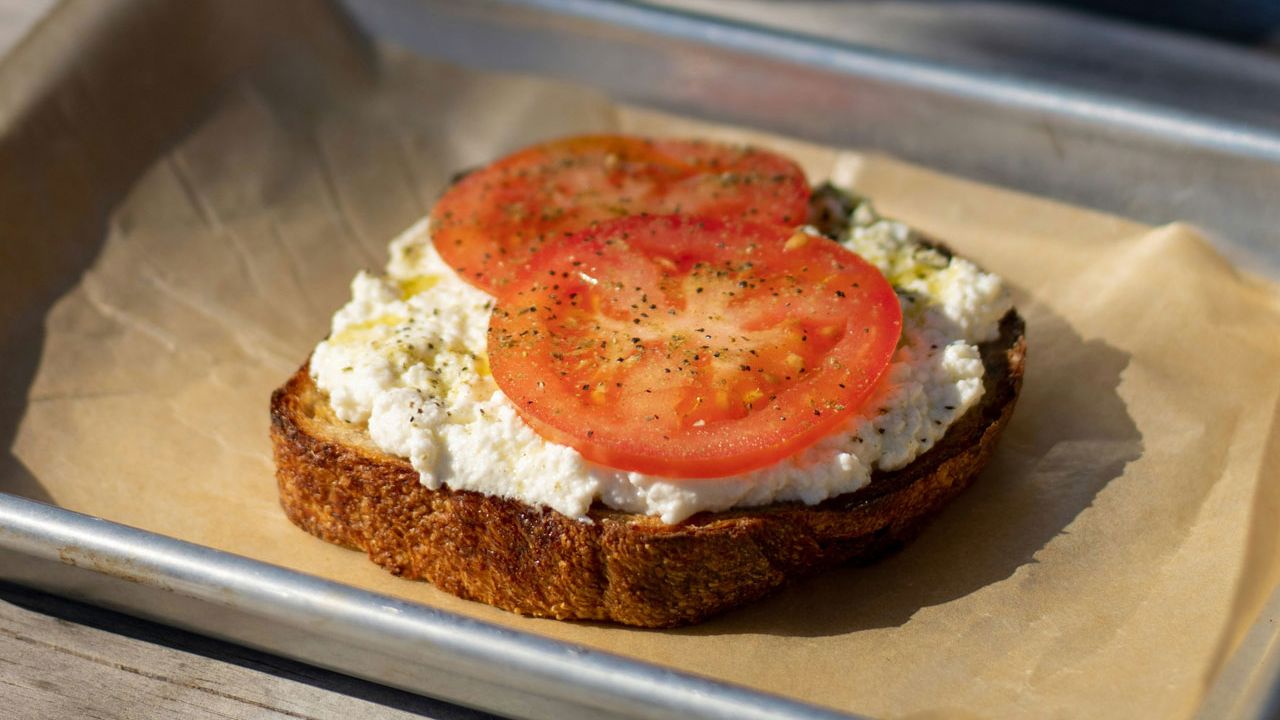
For those looking to enjoy ricotta in their meals, the options are nearly limitless. A simple breakfast can be spiced up by spooning fresh ricotta into a bowl and topping it with delightful berries and nuts. Another easy morning recipe involves mixing it with oats and letting them soak overnight, creating a filling base for fresh fruit and coconut flakes the next day. A sweet yet simple dessert can be achieved with ricotta drizzled in honey or maple syrup, garnished with a touch of cinnamon. For a creative spin, blend ricotta with cocoa and dates for a delicious mousse. It also makes a fantastic spread for sourdough or rice cakes, paired with olive oil and fresh tomatoes. Each of these offerings showcases the versatile nature of ricotta, encouraging culinary experimentation.
If you’re in the mood for a wholesome meal, ricotta can easily elevate homemade pasta dishes. For example, consider a sun-dried tomato pasta that combines whole-wheat pasta with creamy ricotta. A straightforward recipe consists of blending the ricotta with warm water and other ingredients like olives and walnuts. After boiling the pasta, mix it with the ricotta blend and add in sun-dried tomatoes and fresh basil for a nutritious twist. Season it with salt, pepper, and a drizzle of olive oil to complete the dish. This recipe encapsulates the delightful partnership of ricotta with other flavors, providing a nourishing meal that satisfies both body and taste buds.
In summary, ricotta is far more than just a fresh cheese; it represents a world of flavors and health benefits waiting to be explored. With its rich history, impressive nutritional profile, and versatility in the kitchen, ricotta deserves a prominent place in our diets. Whether enjoyed alone or as part of a larger dish, this creamy powerhouse invites culinary creativity, appealing to both health-conscious individuals and food enthusiasts alike. Embracing ricotta means savoring a tradition that has stood the test of time, all while benefiting from its wholesome properties. As we navigate the myriad ways to enjoy this delightful cheese, let each bite serve as a reminder of the joys of good food and good health.