








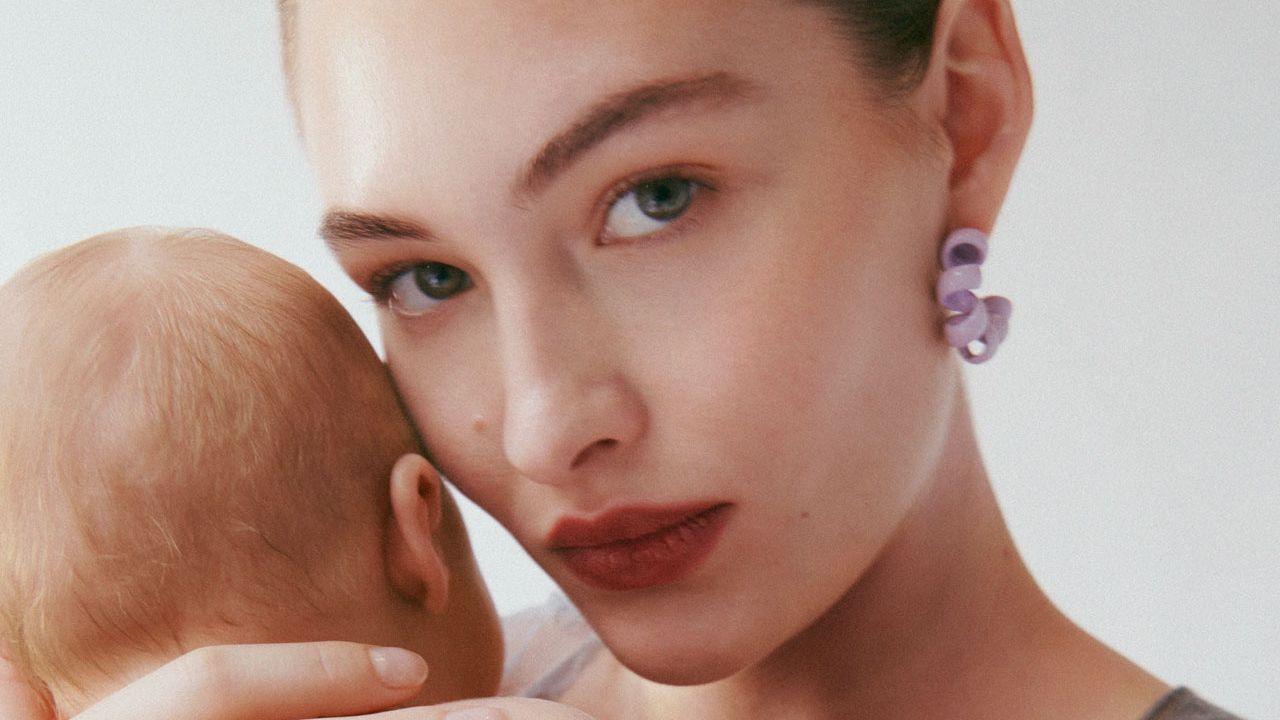
Hiba Siddiqui, a former high-flying investment banker and executive, bravely stepped away from her lucrative career to address a pressing issue many new mothers face: the often-overlooked challenges of postpartum recovery. After experiencing what she initially thought was a smooth transition into motherhood, Siddiqui found herself feeling unprepared for the emotional and physical demands of her new role. Reflecting on her experience, she said, “I had previously pulled a load of all-nighters… but I was completely blindsided.” This awakening prompted her to question societal expectations around motherhood and recovery, leading her to explore cultural practices from her Pakistani heritage and other traditions that provide vital support during this period.
Siddiqui’s journey revealed a stark contrast between Western and Eastern practices in postpartum care. In numerous Eastern cultures, such as those in China and Latin America, mothers are encouraged to rest and receive support from family and community for the first 40 days after childbirth. Similarly, South Korea offers the sanhujoriwon, specialized postpartum care centers that help mothers recuperate while learning how to care for their newborns. Recognizing the lack of such support systems in the UK, Siddiqui felt a strong urge to create something that would help new mothers not just survive but thrive during their postpartum period.
With a vision to redefine postpartum experiences in Britain, Siddiqui launched The Tenth Wellness, a comprehensive care program that focuses on holistic support for new mothers. Rather than the typical classes offered by organizations like NCT, her initiative provides a luxury retreat atmosphere complete with midwives, lactation consultants, and various therapies. “We’d love to have a lower price point and serve the whole market,” she admits, emphasizing her desire to reach as many mothers as possible. The partnership with Mandarin Oriental emphasizes quality, providing new mothers with nurturing care while they regain their physical and emotional strength.
There’s a growing demand for such programs, especially as societal conversations around motherhood have become more open in the wake of the pandemic. Siddiqui’s initiative caters not only to the affluent and expats but has also found a receptive audience among NHS patients seeking holistic postpartum care over the quick fix of hospital delivery. By promoting an approach that balances physical, mental, and emotional support, The Tenth Wellness fills a significant gap, making maternity leave a more fulfilling experience for mothers.
As I approached The Tenth Wellness retreat with my own baby, I felt a whirlwind of emotions. My 10-month-old was cradled comfortably in a stylish sling, drawing attention from the hotel staff in the process. Initially hesitant about taking a break for my own recovery, the team effectively highlighted the importance of taking time for myself amid the chaos of new motherhood. This moment of pause felt not only justified but vital in helping me navigate my postpartum journey.
In a world that often emphasizes resilience and self-sufficiency for mothers, Siddiqui’s initiative challenges the narrative. She’s not merely offering pampering experiences but is instead fostering a supportive community where mothers can feel restored and empowered. By reframing postpartum recovery, she encourages a shift in perspective, making room for mothers to claim their rightful space in the narrative of motherhood — one that includes care, support, and ultimately, thriving.


