








The Ozempic Phenomenon: From Whisper to Shout
Recently, discussions about Ozempic, along with its counterparts Zepbound and Mounjaro, have transformed from hushed whispers among health enthusiasts to bold proclamations, especially within celebrity circles. Well-known figures like Serena Williams, Oprah Winfrey, and Kelly Clarkson have openly shared their experiences with these medications, which are synthetic analogs of the GLP-1 hormone, integral to managing our metabolism. This trend has caught the attention of the public and media alike, as the primary allure of these injections lies in their substantial weight loss effects. As Rocio Salas-Whalen, a board-certified expert in obesity medicine, explains, these medications replicate the natural processes in our bodies. Specifically, GLP-1 helps regulate glucose levels, promotes a feeling of fullness, reduces cravings, and slows down gastric emptying, making them a powerful tool in weight management.
In the past year, a staggering one in five people in the UK admitted to trying these drugs, highlighting the increasing acceptance and use of GLP-1 therapies beyond their original purpose of treating diabetes and obesity. While many have celebrated their success stories, the use of these medications has not come without drawbacks. Users have reported side effects such as hair loss and facial sagging—affectionately termed “Ozempic face”—alongside concerns about the availability of dubious knockoff products. The ups and downs of the Ozempic journey illustrate the complexities of tackling weight management in today’s society, where the quest for an optimal body often goes hand-in-hand with the reality of these medications’ side effects.
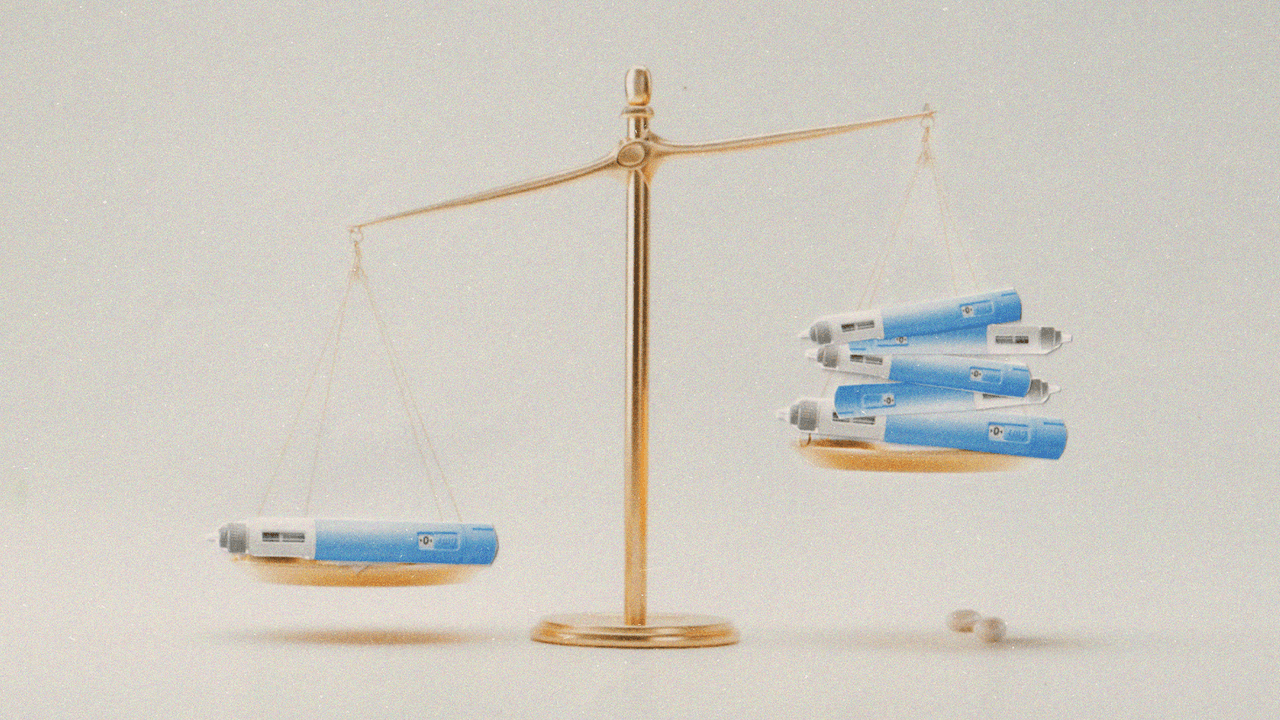
A new trend on the horizon is microdosing these GLP-1 medications, a practice highlighted by celebrities like Andy Cohen. On his show, Cohen candidly spoke about his own experiences—losing significant weight through microdosing, which involves taking doses smaller than those officially approved by the FDA. His motivation, beyond aesthetic concerns, also stemmed from health issues like high blood pressure and arterial plaque. This nuanced conversation surrounding microdosing speaks volumes about our desire for quick solutions to complex health challenges, often circumventing traditional methods of diet and exercise.
Not everyone supports the trend. Health advocates like Dave Asprey, known for founding Bulletproof Coffee and popularizing the concept of biohacking, view microdosing with skepticism. A proponent of alternative health strategies himself, Asprey’s journey from weighing 300 pounds to embracing various experimental techniques serves as a cautionary tale for those seeking immediate results through emerging medical trends. The notion that GLP-1s could provide what he deemed an “easy fix” is something he hopes will fade as people seek more sustainable health solutions. This duality in perspectives invites deeper reflection on our motivations for weight loss and health, as well as the choices we make in pursuit of those goals.
The increasing popularity of GLP-1 medications reflects a broader societal shift towards instant gratification, where convenience often trumps traditional health strategies. As we seek transformative solutions in a world heavily influenced by celebrity endorsements and social media, it’s important to confront the implications of our choices. While the allure of quick weight loss can be irresistible, it raises essential questions about our relationship with health, well-being, and self-image. Engaging with this dialogue becomes vital, especially as more individuals experiment with these drugs—both in regulated environments and through unverified sources.
Ultimately, the movement around Ozempic and similar GLP-1 medications represents more than just a health trend; it touches on critical facets of modern living, from self-esteem to societal pressures. As conversations evolve from private admissions to public discourse, it’s crucial to approach this phenomenon with a blend of awareness and caution. The lure of rapid transformation must be balanced with a realistic understanding of the potential risks and benefits. As we navigate this complex landscape together, fostering a supportive community and mindful decision-making will be key in promoting health and wellness in a sustainable manner.


