







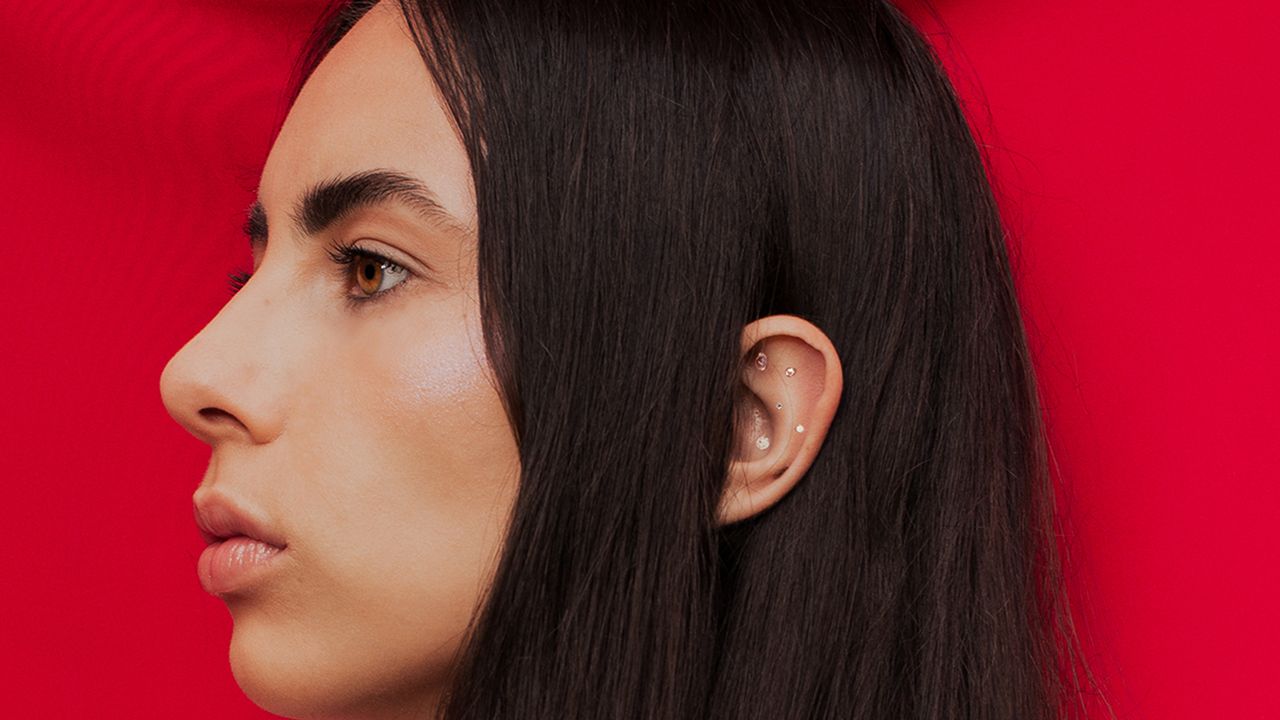
Ava Lee, founder of the K-beauty brand By Ava, has an intriguing approach to promoting wellness through ear acupuncture. As I sat with her at Maman in New York, sipping ginger-carrot juice and enjoying gluten-free zucchini bread, she noted my notably soft ears. This observation followed a ten-minute massage focusing on my ear’s lobes, auricle, and helix, as Lee prepared to apply lymphatic ear seeds. Her practice is rooted in traditional Chinese medicine, which contends that the ear acts as a reflection of the body’s organ systems through an intricate map of reflexology. This ancient method of acupressure has found new expression in modern wellness practices.
The heart of Ava’s innovation lies in her viral V-Line Ear Seeding Kit, which offers a contemporary spin on timeless acupressure methodologies. This kit is distinct in its use of biodegradable stickers embedded with five to ten ear seeds — tiny, bead-like pressure applicators. Unlike typical plastic ear seeds, Ava’s are crafted from a blend of ten different Chinese herbs chosen for their detoxifying properties. The careful placement of these seeds, like those positioned in the conch or on the edge of the helix, aims to stimulate various pressure points associated with lymphatic drainage and facial rejuvenation. Ava claims that this can combat the prevalent issue known as “cortisol face,” a term that has gained traction in social media conversations about stress and its toll on appearance.
Cortisol, often dubbed the “stress hormone,” can wreak havoc on our bodies and skin. Elevated levels can lead to weight gain, insomnia, mood fluctuations, digestion issues, and notable inflammation on the face, including sagging and signs of premature aging. Although the term “cortisol face” is more of a trending concept rather than a medically recognized condition, it resonates deeply with those feeling overwhelmed by the pressures of modern life. Ava’s ear seeding strategy offers a holistic approach to these concerns, targeting the sources of stress rather than merely covering up the symptoms.
However, it’s important to note that while ear seeding provides relaxation and promotes better blood flow, it does not offer the dramatic changes that procedures like Botox might. Ava emphasizes that ear seeding is not designed to alter muscle structure or facial geometry. Instead, it’s about nurturing an internal system that supports well-being and brings balance to an overstressed body. “You have very flexible, soft ears,” she noted, suggesting this is a sign of an open, relaxed state, unlike many individuals whose tensions manifest physically.
Many people are curious about the potential of practices like ear seeding in navigating not just aesthetic concerns but overall health. As the line between beauty and wellness continues to blur, more individuals are seeking ways to care for their bodies holistically. Lee’s emphasis on balancing one’s well-being through ancient practices and natural remedies speaks to a growing trend where self-care is redefined in modern, accessible terms. The combination of traditional Chinese medicine with the convenience of contemporary beauty routines offers a captivating approach to self-improvement.
Ultimately, whether one seeks relief from cortisol-induced stress or simply aims to support their body’s natural functions, Ava’s ear seeding can serve as a unique tool. As we embrace ancient wisdom in our fast-paced lives, these small acts of attention to our bodies could lead to meaningful improvements in how we feel and, ultimately, how we present ourselves to the world. In a society that often values appearances over holistic wellness, it’s refreshing to explore methods that connect us more profoundly with our own health narratives.


