








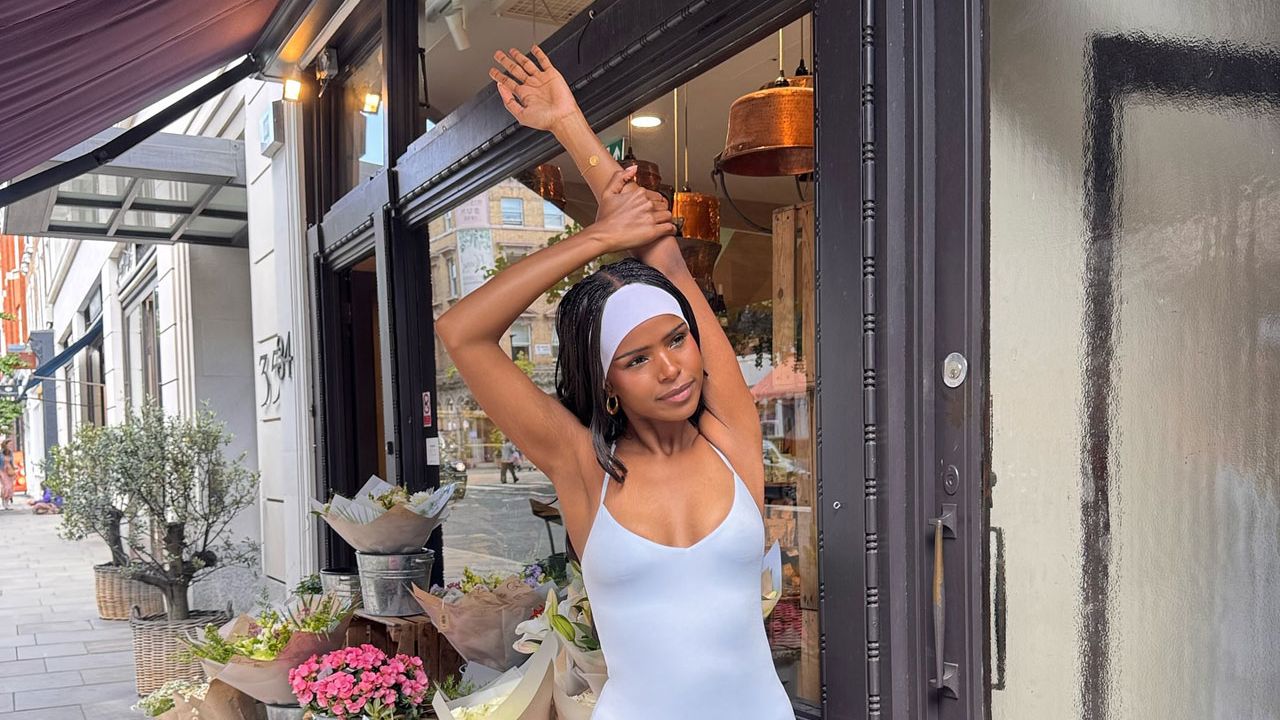
Protective hairstyles serve as both shields for curly and coily afro-textured hair against environmental factors and carriers of a rich cultural history. These styles include an array of looks, from sleek knotless braids to intricate cornrows and airy French curls. Beyond their aesthetic appeal, many protective hairstyles are relatively low-maintenance, offering the perfect blend of convenience and style. Model and content creator Shukria Hussain emphasizes this point in a recent video that gained significant attention, stating that braids are among the easiest styles to manage. Unlike sew-in extensions and wigs, braids require minimal upfront effort; she often finds her hair already styled each morning, allowing her to focus on other aspects of her busy day.
It’s easy to slip into the habit of tossing your braids into a ponytail, especially when heading to the gym for a Pilates class. The desire to keep the style intact can often clash with the realities of sweating and vigorous movement. I’ve experienced the aftermath of such choices firsthand—catching a rogue hair extension that fell out mid-class and having to sheepishly shove it into my gym bag. This scenario highlights the importance of maintaining protective hairstyles, especially while staying active.
Experts are keen to share their insights on how to care for knotless braids during physical activities, ensuring that individuals don’t have to sacrifice their style for comfort or activity. According to celebrity hairstylist Charlotte Mensah, medium-sized knotless braids are particularly suitable for exercising. Their low tension allows for the application of nourishing scalp oils and pomades, while still being easily styled with accessories like hats and hairbands, making them great for all seasons.
In addition to knotless braids, other styles are becoming increasingly popular in cooler months. Silas Baiden, co-founder of Ama Hair Salon, reports that goddess braids are a sought-after choice for clients looking for a hairstyle that combines elegance with functionality. These braids not only enhance one’s beauty but also provide a certain level of warmth thanks to their fuller appearance. Clients appreciate this dual benefit, finding themselves stylish yet cozy during the colder months.
As the trend for protective hairstyles continues to rise, their significance extends beyond mere aesthetics. Each braid, twist, or cornrow holds a narrative connected to culture, history, and identity. These styles allow wearers to express themselves while also protecting their natural hair from breakage and damage. This connection to heritage adds a deeper layer of meaning to the act of styling hair, transforming it into a form of personal and cultural expression.
With the right maintenance and care tips from experts, it’s entirely possible to embrace protective hairstyles without compromising on active lifestyles. By combining practicality with creativity, individuals can enjoy the best of both worlds—looking fabulous while engaging in their daily pursuits. Whether opting for classic knotless braids or exploring the fullness of goddess braids, the choices are limitless, allowing for individuality and personal style within the umbrella of protective hairstyles.


