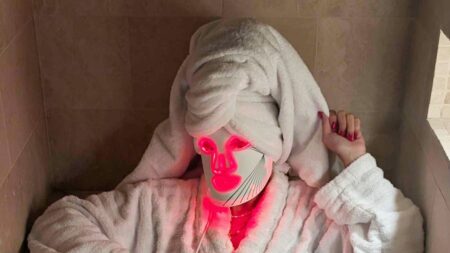






Red light therapy (RLT) has quickly gained attention in the beauty industry, prompting both excitement and skepticism among consumers. This innovative treatment involves exposing the skin to low levels of red or near-infrared light, typically in the wavelengths ranging from 630 to 700 nanometers. Given its popularity, many beauty experts have been asked if RLT truly works and which devices are actually effective for at-home use. A consensus among professionals is that RLT is not merely a passing trend; rather, it is a scientifically backed, non-invasive treatment that can benefit skin health when executed correctly. For optimal results, it’s essential to integrate RLT with a well-rounded skincare routine.
One of the major advantages of RLT is its convenience. According to Laurence Newman, founder of CurrentBody, at-home devices allow for consistent use, which translates to better long-term skin outcomes. Users can easily fit therapy sessions into their daily routines, making it an accessible option for those wary of the time and expense of professional treatments. However, experts emphasize that RLT should be seen as a complementary treatment rather than a replacement for traditional skincare practices. A regimen that combines light therapy with good skincare products is necessary to achieve the best results.
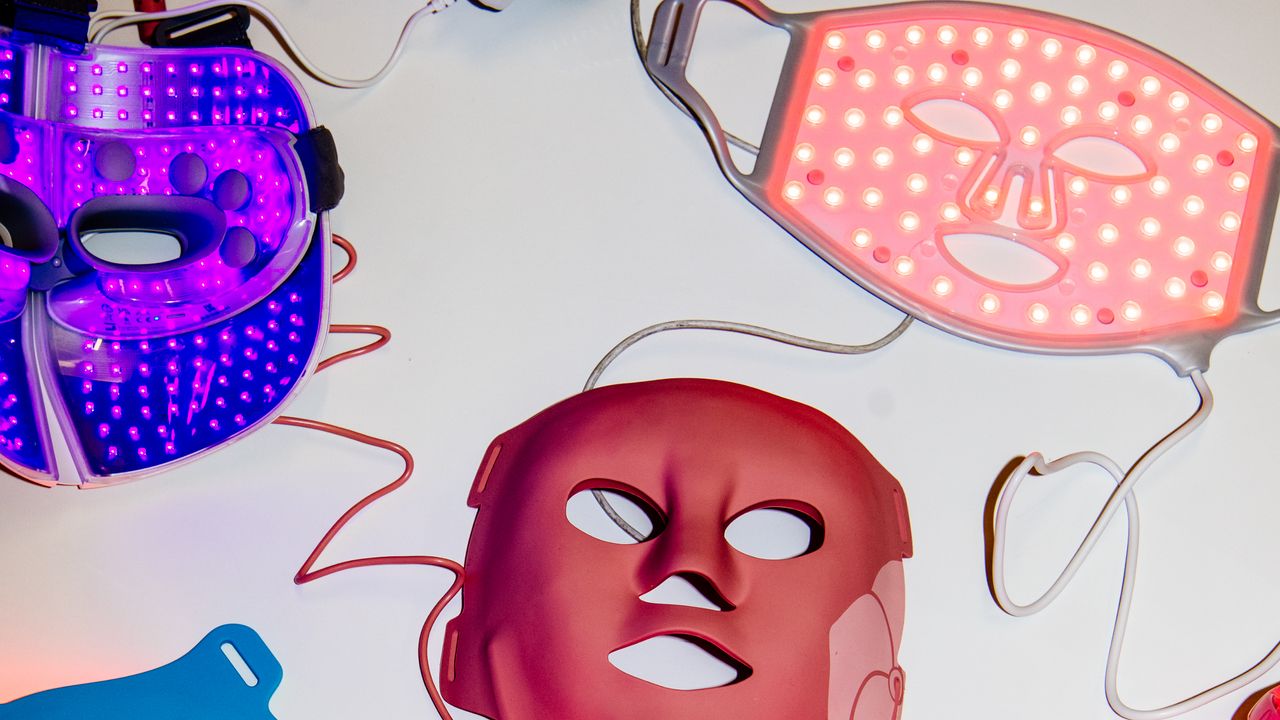
Navigating the plethora of red light therapy devices can be overwhelming, but the selection can be simplified by looking at expert recommendations. Vogue evaluated multiple products, taking into account various skin types and conditions, resulting in a curated list of devices worth investing in. Among the standout recommendations are the CurrentBody Skin LED Light Therapy Mask for its wrinkle-reducing capabilities, and the Dr. Dennis Gross Skincare DRx SpectraLite FaceWare Pro, which combines red and blue light for acne-prone skin. Each of these devices is designed with specific skin concerns in mind, making them more effective for targeted treatments.
Safety is another critical aspect of RLT that has been validated by dermatologists. Unlike UV light, which poses risks such as skin cancer, the LED light utilized in RLT is part of the visible spectrum and is deemed safe for human skin. According to experts like Dr. Blair Murphy-Rose and Dr. Whitney Bowe, red light therapy works by stimulating collagen production and enhancing cellular energy, which can help improve skin texture, reduce inflammation, and diminish wrinkles over time. It’s a promising avenue for anyone interested in anti-aging treatments without the invasive procedures commonly associated with cosmetic enhancements.
The benefits of RLT extend beyond aesthetic improvements; it also has applications in pain relief and healing. The innovative technology has shown effectiveness in treating conditions such as arthritis and speeding up wound healing due to its deep tissue penetration capabilities. Holistic health expert Sarah Bradden notes that different wavelengths of light can elicit various biological responses, enhancing circulation and promoting overall well-being. This multifaceted potential of RLT has made it attractive not only for beauty enthusiasts but also for individuals looking for natural ways to alleviate discomfort.
In summary, red light therapy appears to live up to its hype as a safe, effective, and scientifically supported treatment option for improving skin health. With the right device and a proper skincare routine, users can experience significant benefits from this innovative therapy. Individuals should consult with dermatologists or certified skincare professionals before embarking on RLT, ensuring they find the best device for their unique needs and skin concerns. As the popularity of RLT continues to grow, consumers can feel empowered to explore this technology with a firmer understanding of its benefits and limitations.