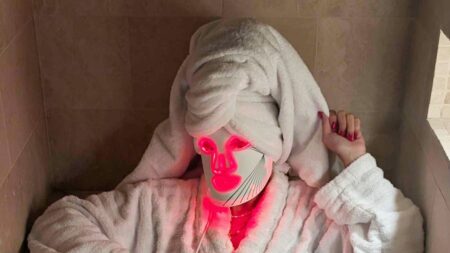








The beauty tech industry is evolving rapidly, capturing the attention of skincare enthusiasts as innovations emerge that blend traditional beauty with advanced technology. In 2024, the UK beauty tech market alone generated an impressive £3.6 million, with projections suggesting it will soar to £8.6 billion by 2030. This growth reflects a consumer base increasingly focused on addressing a range of skin concerns, from dullness and blemishes to fine lines and wrinkles. However, the term “anti-aging” can be polarizing; many advocate the notion of aging gracefully. The truth, though, is that nurturing skin health through scientifically-backed products is invaluable, going beyond mere aesthetics to a more holistic approach to skin care.
Once reserved for professional settings, anti-aging treatments are now widely accessible with a plethora of at-home tools. Users now can experience the benefits of high-tech devices—like LED masks, microcurrent tools, and various other innovative gadgets—without the salon price tag. These devices not only enhance the absorption of topical products but also reach deeper skin layers, stimulating collagen and elastin production. The union of beauty and technology has ushered in a new era in skincare, where users can elevate their routines into engaging and effective rituals, albeit ones that might alarm family pets!
As the British market keeps pace with the advancements pioneered mainly in K-beauty practices, consumers have ample options in sleek, clinically-proven tools. The effectiveness of at-home devices compared to professional treatments, however, remains a topic for discussion among experts. While at-home tools can maintain and slightly improve treatment outcomes, they don’t quite match the intensity and depth of in-clinic devices, which deliver more immediate and noticeable results. This is primarily due to safety regulations governing the power and depth that home devices can achieve, as noted by dermatologists.
Today, an exciting spectrum of anti-aging tools is available, including microcurrent devices that “exercise” facial muscles, LED masks to reduce inflammation, and microneedling rollers to provoke natural skin repair. Microcurrent technology functions by sending low-level electrical currents to stimulate facial muscles, improving their tone and overall appearance. In contrast, microneedling creates controlled micro-injuries, prompting the skin to produce collagen and elastin. LED masks, a popular choice, utilize different wavelengths for various skin concerns—red light for collagen stimulation and blue light targeting bacteria, for instance.
Consistency is essential when using these tools to see genuine improvements over time. Experts recommend regular use, typically several times a week, rather than sporadic, intensive sessions. While at-home tools are generally designed with safety in mind, user caution is still crucial; overuse, particularly with microneedling, can lead to irritation or infections. Results generally manifest gradually, with users experiencing improved hydration, texture, and overall skin vitality after prolonged, consistent application.
Among the most highly recommended beauty tech products are devices like the CurrentBody LED Mask, effective in reducing wrinkles significantly, and the Medicube Age-R Booster, which employs multiple light wavelengths to target various skin issues. The Shark CryoGlow Mask offers unique cooling and repair properties, while the ZIIP Halo combines microcurrent and nanocurrent technologies for comprehensive skin rejuvenation. Each tool contributes uniquely to skincare, promising results over time, ensuring that the marriage of beauty and technology is not just trendy, but potentially transformative in how individuals approach their skincare routines.