

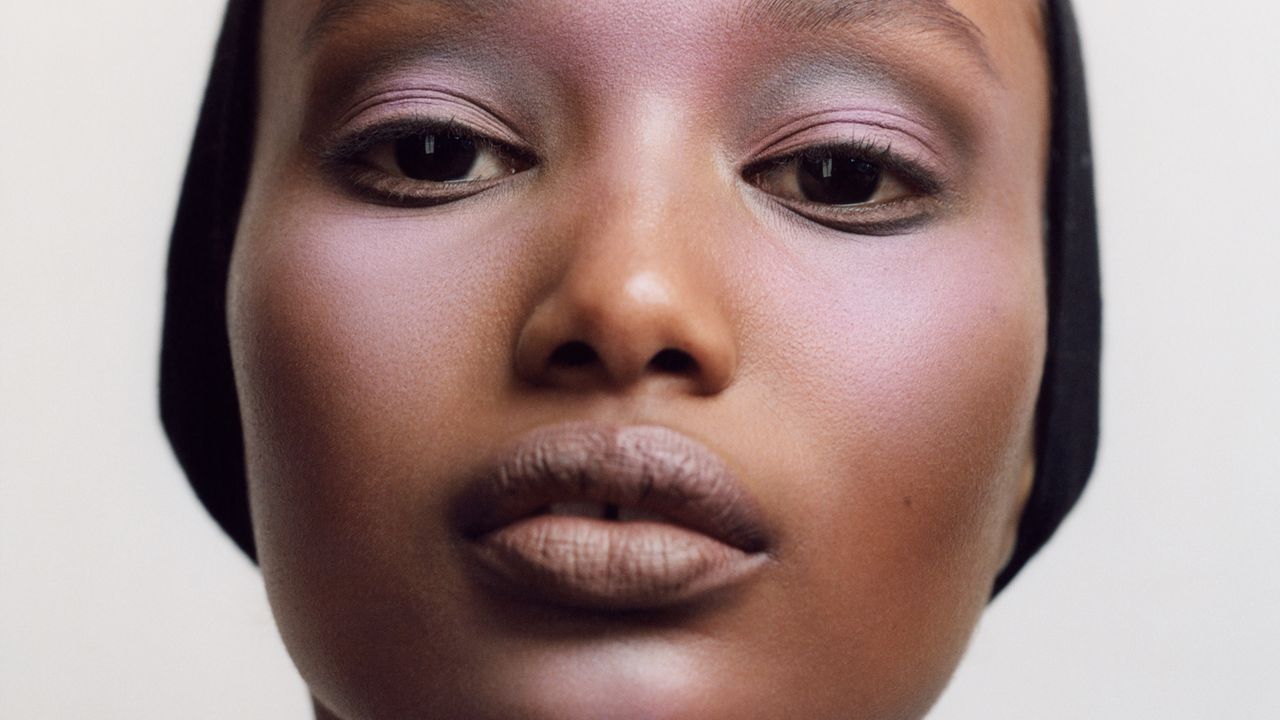
Hyperpigmentation, a common skin condition characterized by dark patches, occurs due to excess melanin production. This can happen for various reasons, such as prolonged sun exposure, inflammatory skin issues like acne scars, the natural aging process, genetic predispositions, and hormonal changes. Despite its persistence, achieving a clearer and more even complexion is entirely feasible with the right care and products. Notably, serums have become a go-to solution for many, as they effectively target uneven skin tones, diminish dark spots, and tackle conditions like melasma.
The sun is perhaps the most notorious of all culprits when it comes to triggering hyperpigmentation. Ultraviolet (UV) rays penetrate the skin’s layers and stimulate melanin production. This increase can lead to the formation of darker patches, especially in areas frequently exposed to sunlight. However, hyperpigmentation isn’t solely the result of sun damage; skin inflammation from other sources also plays a significant role. Conditions like acne lead to inflammatory responses, which, when coupled with skin irritation from picking or scratching, can cause further darkening of the skin. Additionally, chronic skin conditions such as eczema can result in similar discolouration.
Mechanical damage is another less-discussed trigger of hyperpigmentation. Actions such as shaving, tweezing, or waxing can inadvertently harm the skin, leaving behind dark spots as it heals. This is often seen in individuals who engage in frequent hair removal methods, where repeated stress on the skin results in uneven pigmentation. Similarly, allergic reactions that cause skin irritation, particularly around sensitive areas like the eyes and nose, can lead to hyperpigmentation as well. This effect can be pronounced in individuals with darker skin tones, where the propensity for melanin production is heightened.
Injuries, whether minor cuts or scrapes, can also leave behind hyperpigmented marks as the skin repairs itself. The healing process tends to amplify melanin production in the affected areas, resulting in darker skin patches that can linger long after the initial injury has healed. Understanding this link between wounds and hyperpigmentation emphasizes the need for careful skincare and cautious handling of such injuries to minimize lasting discoloration.
Hormonal changes significantly impact skin health and can exacerbate issues like hyperpigmentation. Events such as menopause trigger fluctuations in hormone levels, which can influence skin texture and coloration. For many, this leads to an increase in patchiness and discolored areas that seem more stubborn than typical sun-induced dark spots. Recognizing how shifts in hormones can affect the skin serves as a crucial factor in managing hyperpigmentation, especially for those advised to monitor their skin closely during transitional life stages.
To effectively combat hyperpigmentation, one should adopt a consistent skincare routine tailored to their specific needs. Incorporating products such as serums designed to target uneven skin tone can yield remarkable improvements. Look for ingredients like vitamin C, retinoids, or niacinamide, which are known for their brightening effects and ability to reduce the appearance of dark spots. Additionally, wearing sunscreen daily can prevent further sun-related pigmentation and support overall skin health by protecting from harmful UV rays. With patience and the right approach, achieving a more even complexion can be a reality for anyone dealing with hyperpigmentation.