

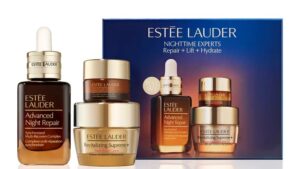






Lactic acid is a powerhouse ingredient in skincare that deserves your attention, especially if you’ve overlooked its many benefits. Found in various forms in your beauty products, lactic acid is a gentle chemical exfoliant that works wonders to soften and smooth the skin. By eliminating dead skin cells and promoting healthy skin cell turnover, it significantly improves the appearance of all skin types. Whether it’s in a serum, a mask, or used alone, lactic acid’s versatility makes it a staple for achieving a brighter, youthful complexion.
At its core, lactic acid is derived from the fermentation of lactose found in milk. Historically, it was favored by figures like Cleopatra, but modern formulations have made it much more accessible and pleasant to use. As an alpha hydroxy acid (AHA), it belongs to the same family as glycolic and mandelic acids. Its primary function is to encourage cellular turnover, keeping your skin bright and healthy. Unlike deeper-penetrating AHAs, lactic acid primarily operates on the skin’s surface, making it an excellent option for those with sensitive skin.
So, how does lactic acid achieve these remarkable effects? Acting as a water-soluble compound, it gently disrupts the bonds holding dead skin cells together. According to dermatologists, this process not only reveals fresher skin but also unclogs pores, which is a significant win for anyone dealing with acne or an uneven complexion. Its larger molecular size means it delivers more superficial exfoliation, making it less likely to irritate the skin compared to its counterparts. This quality also allows it to shine as a gentle alternative for those wary of harsher exfoliants.
The benefits of lactic acid extend beyond just exfoliation. One of the notable advantages is its ability to brighten the skin. By removing the top layers of dead cells, lactic acid diminishes the appearance of fine lines and wrinkles, unveiling a more youthful texture. Additionally, this ingredient boosts collagen production, making your skin firmer and plumper. With consistent use, you may even notice improvements in hyperpigmentation, acne lesions, and other imperfections, as lactic acid has been shown to fight bacteria and promote a more even skin tone.
Hydration is another significant benefit of lactic acid. Unlike many other AHAs that may dry the skin, lactic acid can bind with moisture, enhancing your skin’s hydration levels. This means your skin can hold onto its natural moisture reserves more effectively, giving it that coveted supple quality. Furthermore, lactic acid supports skin barrier health by encouraging the production of ceramides—the essential lipids that help hold your skin cells together. A strong skin barrier translates to overall complexion health, reduced inflammation, and a protective environment for your skin.
While lactic acid is suitable for most skin types, it’s essential to use it wisely. It can help address various skin issues such as roughness, dullness, dryness, and signs of aging. However, those with compromised skin barriers—such as individuals experiencing active eczema or psoriasis—should approach this ingredient with caution. It’s always advisable to consult a dermatologist if you have sensitive skin or specific skin conditions before incorporating lactic acid into your routine. By understanding how to best use this remarkable acid, you can unleash its full potential for healthier, more radiant skin.