

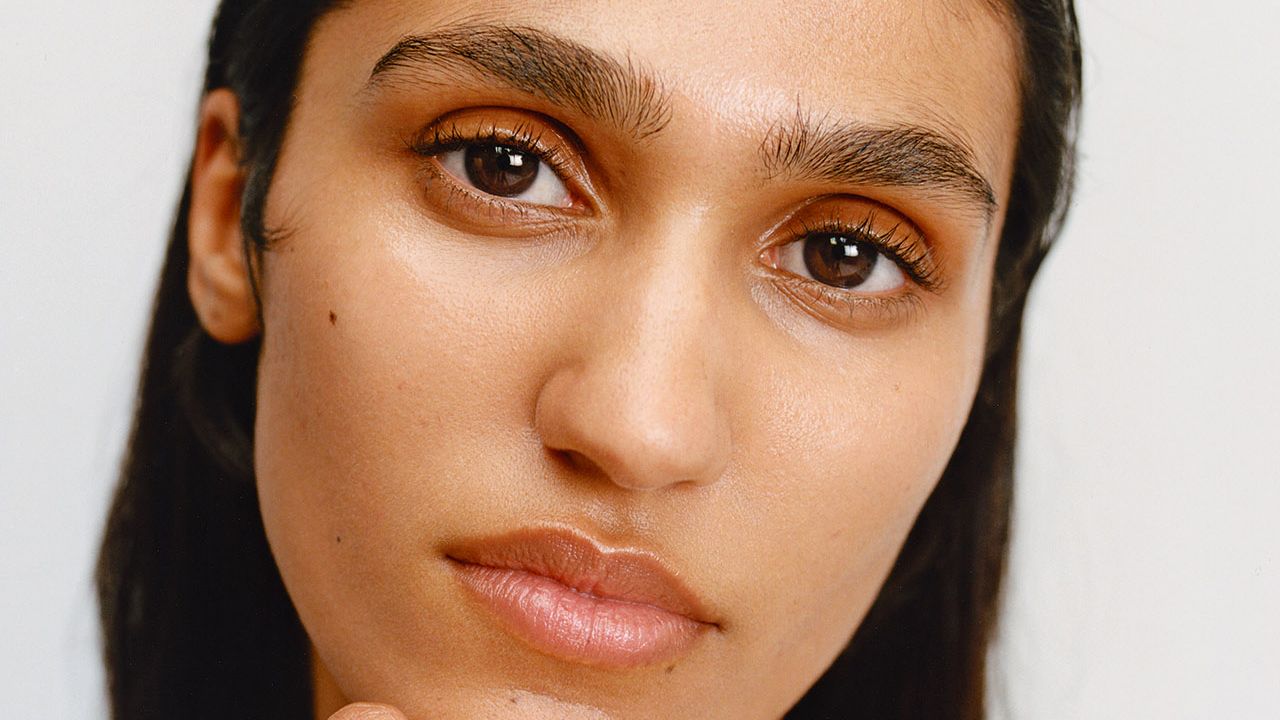
My journey into the realm of neuromodulators, or Botox as it’s commonly known, began quietly and without urgency. Unlike many who feel a deep need for these cosmetic treatments, I approached the idea more casually. However, as life unfolded, I became increasingly aware of the lines on my face. Specifically, a pronounced frown line between my eyebrows took center stage, drawing my attention every time I checked a selfie. This noticeable change seemed to arise quickly, perhaps fueled by the challenges that came with becoming a new parent. Juggling sleepless nights, hormonal shifts, and the daily grind left me staring a little too sharply at my reflection, evaluating the sudden deep crease that had settled in my forehead.
Returning to work after maternity leave marked a turning point. While I didn’t feel driven by insecurity, I decided it was time to indulge in what I affectionately termed “baby Botox.” I planned for just enough treatment to soften the harsh lines, hoping that a small adjustment could help reclaim my youthful expression. But then, life threw a curveball: lockdown. As we retreated into our homes, my frown line deepened, and every Zoom call became a reminder of my increasingly visible worries. I found myself vowing to book my next Botox appointment as soon as societal norms allowed.
Finally, post-lockdown, I made that long-awaited appointment and felt the familiar sensation of Botox taking effect, the muscle stiffness signaling that relief was on the way. However, a few days later, I noticed a surprising flaw: my forehead still had movement and didn’t smooth out as it used to. Frustrated, I decided to increase my dosage and scheduled more frequent top-ups, hoping this would restore the results I once enjoyed. But despite these efforts, I soon recognized that the expected freezing effect was diminishing, leading to a troubling realization that I might be developing a resistance to Botox.
Determined to find a solution, I consulted Dr. Ash Soni, a knowledgeable aesthetic doctor who had been keeping up with the latest innovations. He introduced me to an exciting new neuromodulator on the horizon: Relfydess. Having tested this new injectable, he believed I would be an ideal candidate. Not only did this option promise longer-lasting results—potentially extending the effects beyond the typical three months of Botox—but I could also limit my appointments to just twice a year. The prospect felt promising and rekindled my hope for smooth foreheads.
Relfydess is a groundbreaking product originating from the reputable Swiss company Galderma, known for its devotion to producing high-quality skin treatments. Dr. Soni explained that Relfydess stands out because it is the purest form of neuromodulator available, meticulously created to eliminate impurities and unnecessary proteins. This level of purification was groundbreaking and could offer significant advantages, particularly for individuals like me who required slightly larger doses of treatment. This made it an appealing alternative to regular Botox, which could create resistance when used too frequently.
As I considered the benefits of this new option, I felt a renewed sense of possibility. Relfydess seemed well-suited for anyone facing the challenges of regular Botox use, especially as it allowed for increased dosing without the heightened risk of resistance. It was a reassuring thought to know that with advancements in aesthetic medicine, there were new paths to explore in the quest for youthful vitality. Embracing change in the beauty industry could mean not just improved appearance but also a more manageable routine that fit seamlessly into my life as a busy mom. As I prepared for this new chapter, the wave of excitement was palpable—an opportunity to rediscover confidence and smooth out those frown lines with a fresh start.