







In a world that’s always looking back for inspiration, the emo music scene from the 2000s is experiencing a revival that many thought wouldn’t happen. With tracks like Taking Back Sunday’s “Cute Without the ‘E'” and Hawthorne Heights’ “Ohio Is For Lovers,” emo wasn’t just a fleeting moment; it captured a specific emotion that resonated deeply with many young people. Fast forward to 2025, and it’s clear that this genre—along with its dark, brooding aesthetic—never truly faded away. Despite what everyone might have believed, emo evolved, and those passionate about it held onto its essence while others moved on.
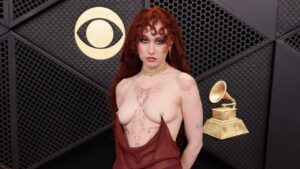
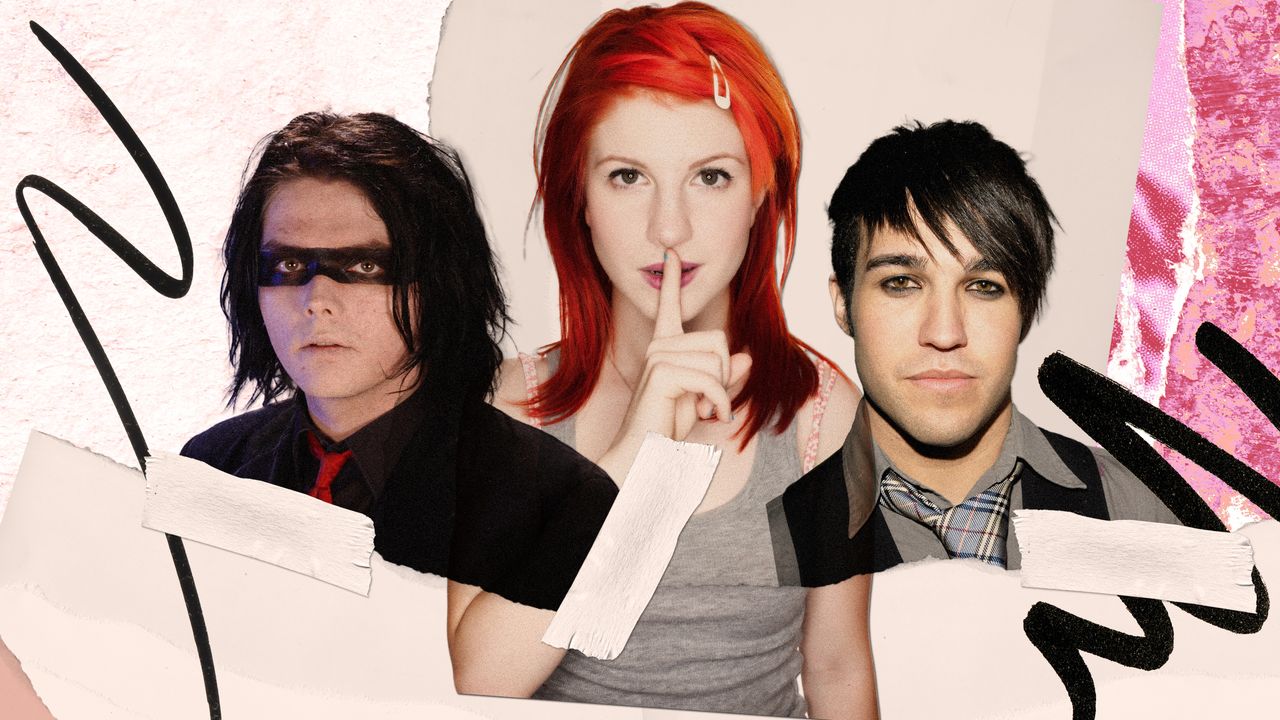
For those who lived through that era, seeing the return of emo-inspired fashion feels familiar yet refreshing. The quintessential side parts and colorful streaks that adorned the hair of Myspace models have resurfaced in today’s fashion runways and red carpets, bringing back moody black eyeliner as a subtle staple. It’s fitting that as emo music finds its footing again with bands like Paramore, My Chemical Romance, and Fall Out Boy embarking on sold-out tours, the accompanying aesthetic should make a comeback too. Older bands are finding their way back to the stage, earlier parting ways but now reuniting to appease nostalgia-driven audiences at festivals like the When We Were Young Music Festival.
Reflecting on this resurgence flickers memories of teenage angst, a time when emo was more than just a style—it was a badge of identity. I remember eagerly claiming the title with a blend of pride and protectiveness, sometimes dismissing newcomers as posers. Yet today, those feelings transform into a sense of joy and connection. Recollecting those moments as an early 30-something, my love for bands like Fall Out Boy remains profound. The lyrics that echoed my own frustrations and triumphs during my formative years remain a source of empowerment and understanding.
It wasn’t just the music that shaped my identity; the aesthetics of emo culture significantly influenced my self-expression. Long before beauty influencers took the stage, I found inspiration from the edgy looks of band members. The smudged “guyliner” of Fall Out Boy’s Pete Wentz and the striking makeup of Panic! At the Disco’s Ryan Ross caught my attention and changed my perspective on masculinity and beauty. As children, we often look for signs of bravery, and at that time, embracing such bold choices felt revolutionary.
Emo challenged the conventional norms of beauty and gender expectations. When the pop culture landscape leaned heavily toward hyper-masculine ideals, emo injected a refreshing note of vulnerability and self-exploration. It didn’t just allow men to wear makeup; it celebrated vulnerability, breaking the boundaries of what was perceived as “acceptable.” For many who felt out of place while navigating adolescence—like me—it served as both a refuge and a guide. As an awkward tween navigating a new city without friends, the brave choices showcased by these musicians inspired me to embrace my uniqueness.
Now, as the emo aesthetic merges back into the mainstream, it’s not merely a nostalgic nod to the past; it encapsulates resilience, connection, and the ongoing journey of self-discovery. Embracing this revival reminds us that beauty and music are intertwined, allowing for deep, authentic expressions of who we are. The comeback of emo culture signals not just a resurgence of trend but an enduring testament to the strength we draw from our memories and identities built along the way. Whether through music, fashion, or personal expression, emo remains a vital part of our shared narrative, inviting both old fans and new generations to join in a celebration of emotion and individuality.


