







In today’s music industry, the visual presentation of artists is often as crucial as the music itself. Many performers are increasingly expected to promote their work through carefully curated aesthetics. Take Sabrina Carpenter, for instance; her embrace of a sultry “baby fantasy” look with glamorous curls and chic outfits for her album “Short N’ Sweet” marked a significant shift in her public persona. Similarly, Beyoncé revolutionized the perception of Black artists in country music with her “Cowboy Carter” aesthetic, driving revenue and discourse through her concert tours. Even K-pop stars like Jennie represent an unyielding beauty standard that demands perfection, as seen in her polished music video “Like Jennie,” where she floats effortlessly in a flawless presentation.
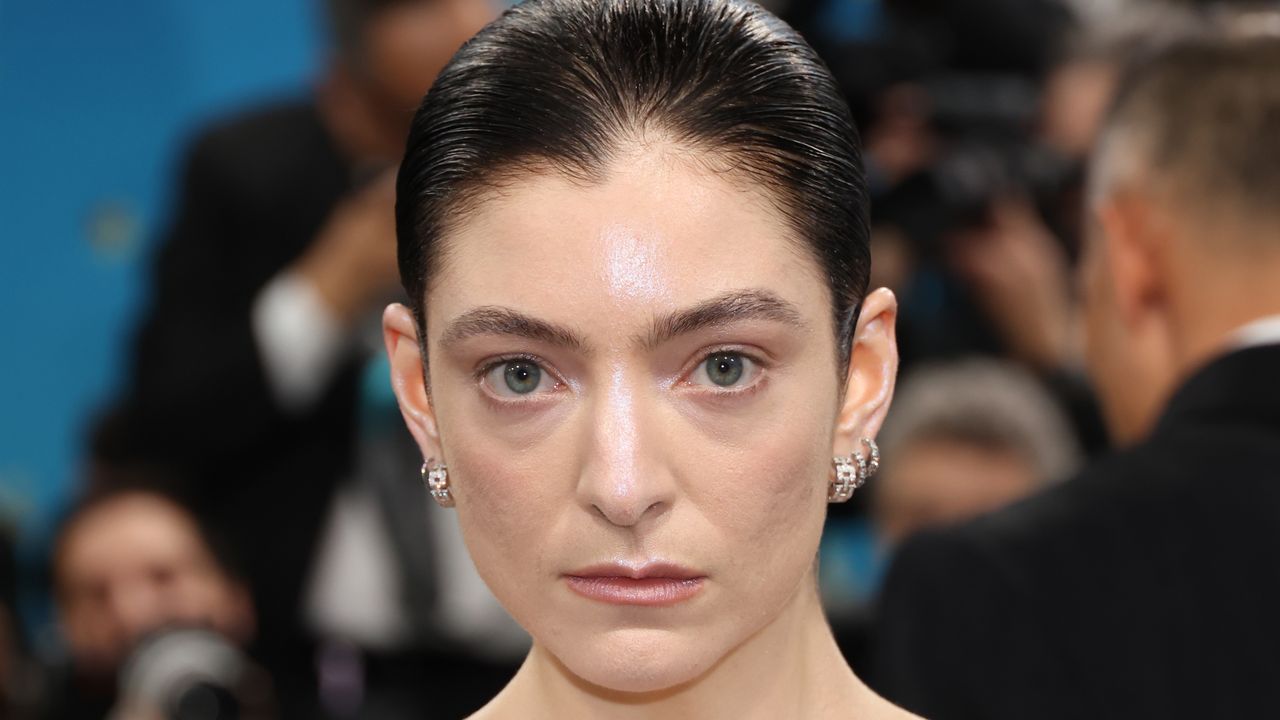
Contrasting sharply with this trend is Lorde, who has chosen a different path as she promotes her upcoming album, “Virgin.” Rather than adhering to the glossy beauty norms typical of her peers, she embraces an authentic, unfiltered look. Whether appearing sunburned, with untamed hair, or minimal makeup revealing her natural features, Lorde opts for comfort over convention. Her wardrobe leans towards thrifted, casual pieces such as dress shirts and T-shirts, underscoring her disinterest in the mainstream beauty narrative. During events like the Met Gala, she has showcased a more raw, genuine image, promoting the idea that flaws are not just acceptable but relatable.
Lorde’s aesthetic departure feels less like a simple choice and more like a protest against the beauty standards perpetuated by the industry. In her earlier works, starting with “Royals,” Lorde often explored themes that deviated from mainstream glamour, embracing a goth-inspired, alternative style that aligned her more with subcultures than with chart-toppers. As she transitioned through her albums “Melodrama” and “Solar Power,” her understated looks evolved into something even more refreshing—an anti-maintenance ethos that prioritizes emotional expression over flawless appearances. Lorde isn’t merely playing to the gallery; she’s on a mission to reconnect with the emotional rawness of her experiences.
This “anti-glam” approach resonates powerfully in a landscape where polished perfection often overshadows authenticity. Lorde’s challenge to industry norms calls into question the necessity of aesthetic perfection for artistic credibility. Traditionally, pop stars undergo grand reinventions—these “eras” serve as not just new music phases but complete image overhauls. Artists like Lady Gaga pioneered this idea, using elaborate visuals to enhance their musical storytelling. Today, such transformations often feel obligatory for survival in a fiercely competitive market, particularly for female musicians.
The intertwining of sexuality and aesthetic evolution has historically acted as a marker of an artist’s growth. Take Ariana Grande, for instance; her transition from oversized hoodies to skimpier outfits in her “Thank U, Next” era signaled maturity. Taylor Swift’s evolution from a country starlet to a pop icon is another testament to how visual rebranding signals shifts in artistic identity. These transformations serve as visual narratives that reflect personal and professional growth. Yet, Lorde’s choice to defy this expectation opens up important discussions around authenticity, vulnerability, and emotional transparency in music.
Ultimately, Lorde’s current phase can be seen as a refreshing rebellion against the curated environments that dominate the industry. Her decision to present herself in an unapologetically relatable manner not only challenges prevailing beauty standards but also encourages fans and fellow artists to embrace their true selves without filters. By prioritizing authenticity over aesthetic perfection, Lorde embodies a transformative movement in music—one that prioritizes genuine emotional connection over superficial allure. Her journey invites a much-needed dialogue on the significance of realness in today’s polished pop culture, reminding us that vulnerability can be just as powerful as glamor in the artistic world.


