

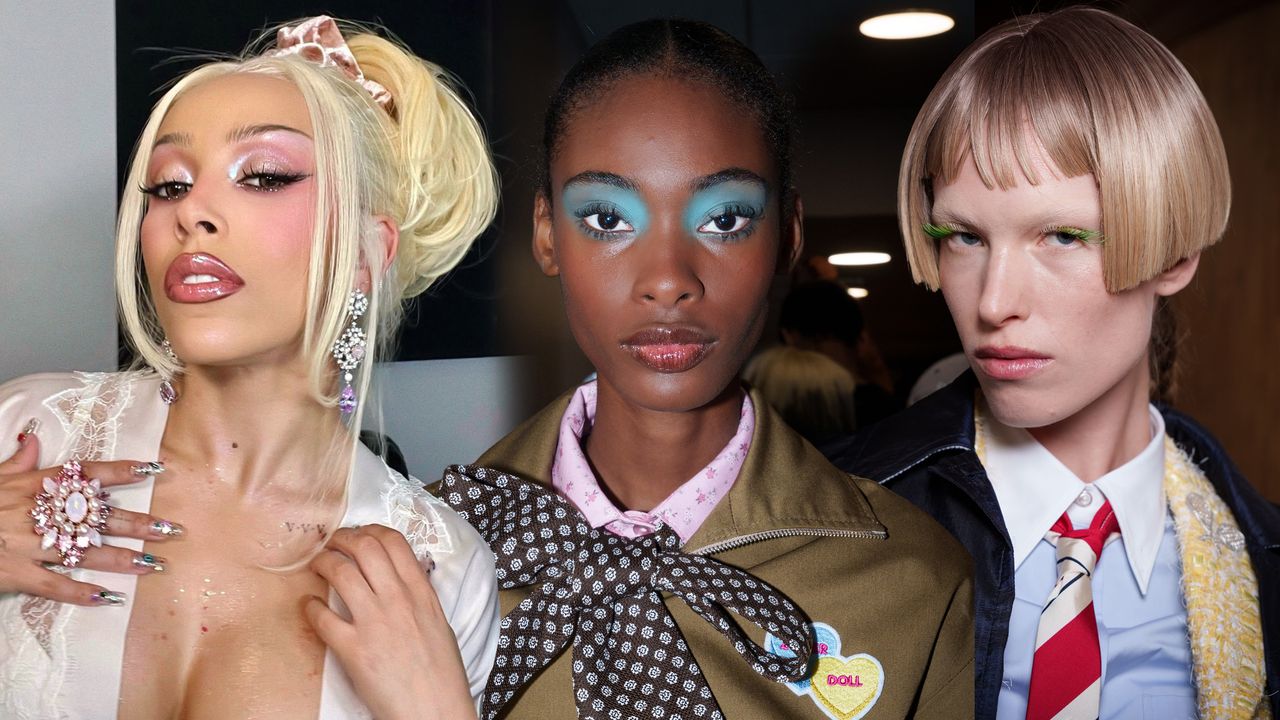
In today’s ever-evolving beauty landscape, navigating trends can feel like a daunting task. With an overload of styles and influences flooding social media and retail spaces, many beauty aficionados are choosing to embrace their individuality rather than conform to fleeting trends. This desire for personal expression is reshaping the makeup scene, encouraging people to create looks that resonate with their unique identities. Gone are the days when adhering to what’s “in” dictated beauty choices; instead, makeup lovers are celebrating creativity, joy, and authenticity in their routines.
Industry insiders, including makeup artists and retail executives, share insights suggesting that the push towards individuality isn’t just a passing fad. Kaitlin Rinehart, Ulta’s vice president of merchandising, anticipates a shift towards more experimental makeup that emphasizes vibrant colors and personal expression. According to her, consumers are moving away from neutrals, seeking products that provide bold color payoffs. Similarly, makeup artist Lauren Andersen notes that clients are increasingly drawn to artistry that emphasizes emotional connection rather than mere correction. This shift points to a broader trend of embracing rather than concealing—where makeup serves as a tool for self-expression and artistry.
The latter half of 2025 witnessed the resurgence of goth and grunge aesthetics, which indicates a complex relationship with nostalgia and experimentation in beauty. In 2026, the beauty industry is also poised to be influenced by gaming culture, with brands exploring textures and pigments that push boundaries into immersive experiences. Additionally, K-beauty continues to hold sway, particularly in the realms of lip stains and complexions, captivating younger audiences with its innovative approaches. The interest in these trends illustrates a mash-up of influences, reflecting a broader narrative of experimentation drawing both on contemporary culture and historical beauty references.
Nostalgia plays a significant role as millennials and Gen Z increasingly reference past decades in their beauty choices. According to Rinehart, consumers are reviving bold makeup looks reminiscent of the early 2000s and 2010s, while makeup artist Alexandra French notes that we may soon witness a resurgence of glam styles from 2016—albeit with contemporary refinement. The allure of past beauty trends reflects a longing for emotional connection and familiarity, especially among younger generations who seek to explore aesthetics they may have only seen on social media or in pop culture.
Moreover, definitions of beauty are shifting towards intentionality. Makeup artists frequently describe their craft as one that promotes authenticity—where the goal is to look polished yet not overly “done.” Andersen articulates this concept well: people are eager for looks that feel genuine while still allowing room for playfulness. From vibrant colors to textured finishes, today’s beauty scene invites creativity. Individuals are encouraged to embrace unique elements, whether that’s a bold splash of color or finding the ideal blend between skincare and makeup.
As we look forward to 2026, it’s clear that themes of individuality and self-expression will dominate the beauty narrative. The trend is not merely a reflection of the current moment but seems poised to redefine beauty standards for years to come. Whether it’s through experimental application techniques or embracing a colorful palette, the future of makeup is decidedly about celebrating your unique story. In this vibrant landscape, it’s not just about following trends; it’s about creating a personal signature that resonates with who you are and the joy you want to express.