

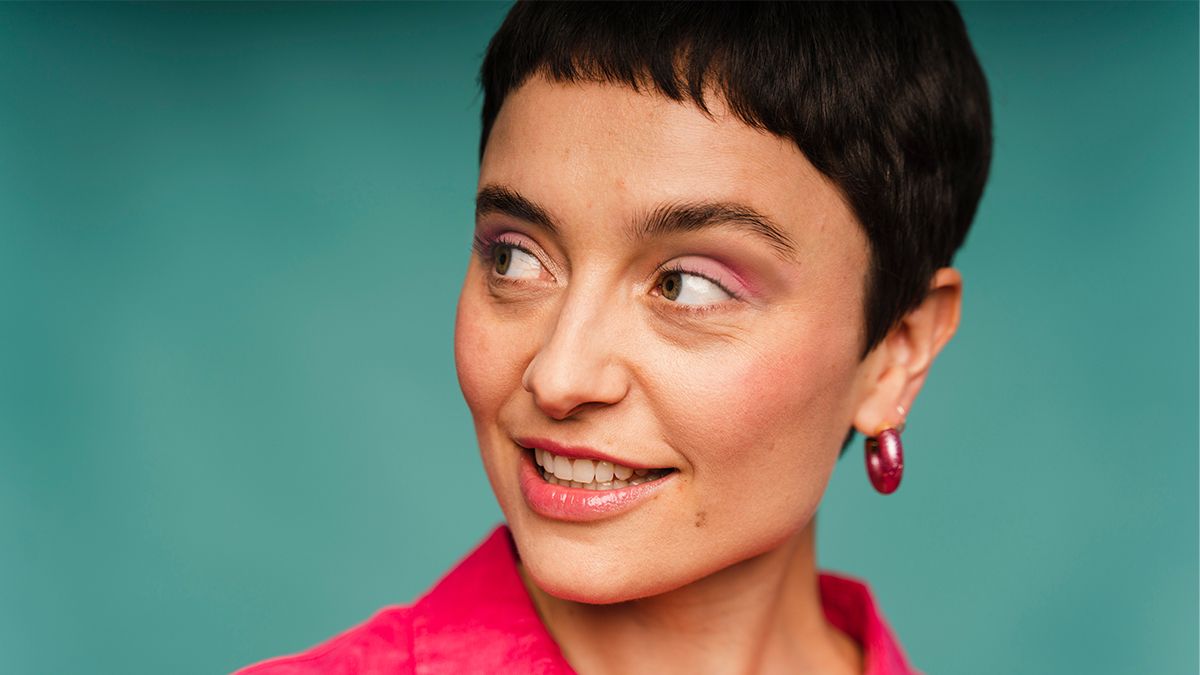
In reflecting on the evolving landscape of beauty standards, particularly concerning eyelid aesthetics, I find myself in a peculiar dilemma. Browsing through my Instagram feed, I cannot help but notice the surge of individuals flaunting their newly enhanced upper eyelids. These images prompt memories of my own once-cherished eye makeup collection, now gathering dust as my vanity transforms into a shrine of past beauty rituals. It’s a surreal dichotomy—while the expertly crafted eyelids showcased online appear effortlessly chic, my own eyes tell a different story, one marked by age and changing contours. This juxtaposition leads me to question whether I am merely perceiving a trend or if the shift towards “snatched” eyelids signals a broader reckoning with aging.
Cognitive dissonance looms large as I grapple with the influences of social media and the open discussions surrounding cosmetic procedures, like blepharoplasties, where excess skin is removed to create a more youthful appearance. On one hand, I appreciate the transparency of the 20-something influencers sharing their experiences, but it also leaves me feeling unmoored. These openly expressed transformations serve as a vivid reminder of my own aging process. Now in my mid-40s, I notice changes such as deeper-set eyes and the unsettling appearance of crepey skin around my lids, and I can’t help but wonder if this trend towards youthful eyelids symbolizes an inevitable passage into a new phase of life—a phase I didn’t fully prepare for.
Having spent my career writing about beauty and aging, I thought I would be equipped to navigate these feelings. I entered the industry in my 20s, where discussions of aging were largely theoretical. My initial role at a women’s magazine focused on providing insights to middle-aged moms about their beauty journeys. Back then, terms like “fine lines” and “sagging” felt abstract. I would meticulously craft my articles, trying to sound like an authority on topics I had yet to experience personally. Now, however, the language has shifted. I am intimately acquainted with the impact of these changes—not just on the appearance but also on the emotional aspects of beauty and self-acceptance.
Interestingly, I remember a time when cosmetic enhancements, specifically eye jobs, were less prevalent and much more understated. In those days, the whispers of someone opting for a subtle uplifting were more subdued, devoid of the algorithm-driven visibility that today’s aesthetic procedures enjoy. The conversation was limited, and while aging necks had been cleverly parsed by voices like Nora Ephron’s, eyelid enhancements felt like a private affair. I recall curating a makeover story in the mid-2000s featuring a woman who had undergone blepharoplasty, her newfound confidence propelling her to embrace a public transformation. Back then, the act of publicly sharing such decisions was far less common and sparked questions about authenticity and societal pressures surrounding appearance.
As I navigate the complexities of aging alongside the evolving beauty narrative, a blend of nostalgia and reflection emerges. The interpretation of beauty is constantly changing, and with it, so are the standards that govern our self-image. The beauty community has witnessed a seismic shift where the discourse surrounding procedures and aging is more candid than ever, allowing for a broader spectrum of experiences and feelings. I find myself caught in a liminal space—one that demands both analysis and acceptance of my own transformation amid a culture that seems to chase perpetual youth.
Ultimately, as I glance at my reflection and sift through this tumultuous but enlightening journey, I recognize the importance of embracing the nuances of beauty, both in myself and in others. It’s about finding balance—acknowledging the inevitable changes that come with age while allowing space for empowerment through self-expression. Perhaps the key is not to chase after flawless ideals but instead to redefine beauty on our own terms. Through candid conversations about aging and the myriad choices we have, we can create a more inclusive narrative that embraces all facets of our evolving selves.