

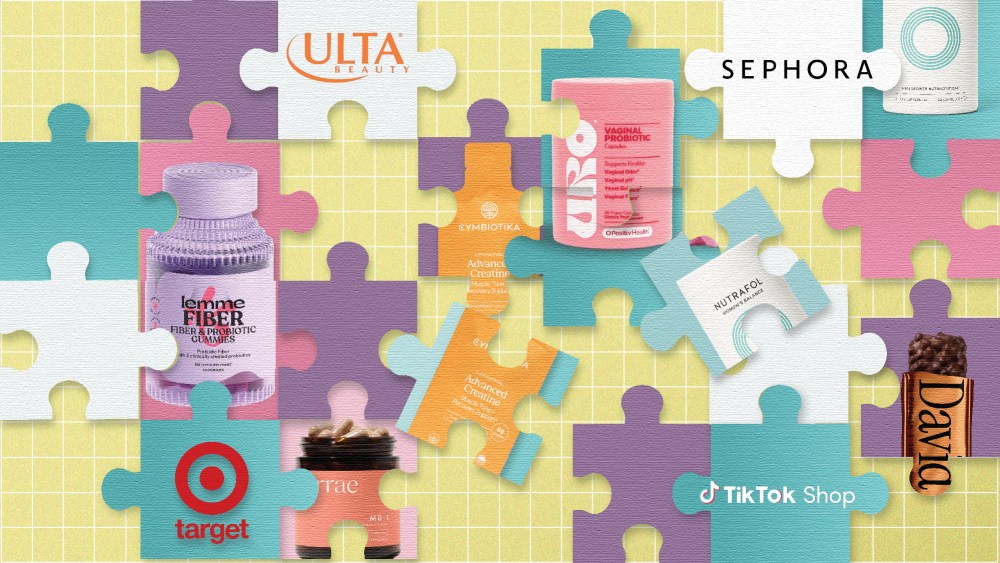
The Intersection of Wellness and Beauty Retail
As the world adapts in the wake of the pandemic, the wellness trend is gaining significant momentum, prompting beauty retailers to reassess their positions in this evolving market. Companies like Ulta Beauty, Target, and Walmart are recognizing the integral connection between wellness and beauty, implementing strategic initiatives to incorporate and expand wellness products. Ulta, in particular, is revamping its stores to include dedicated wellness shop-in-shops, responding to the uptick in consumer interest. Meanwhile, e-commerce giants Amazon and TikTok Shop are witnessing remarkable sales growth in wellness products, marking a newfound consumer enthusiasm in the sector; with Amazon reporting a 42 percent increase in supplement sales and TikTok Shop achieving a staggering growth of 70 percent in health-related products.
In contrast, Sephora is reconsidering its approach to wellness by shifting its focus back toward traditional beauty products. Previously, the retailer ventured into wellness with a range of ingestibles from brands such as Moon Juice and Alo. However, its recent strategies suggest a move away from this space, indicating that the beauty market could be saturating with wellness offerings. Insights from industry experts highlight the necessity for retailers to thoughtfully engage with the wellness category. Allison Collins of The Consumer Collective cautions that simply jumping into the wellness pool can be risky; retailers should only dive in if it aligns with their existing customer base.
This evolving landscape points towards a definitive trend: beauty retailers are increasingly viewing wellness as a critical focal point but are adopting differing strategies. Insights from the 2025 market suggest that the most significant wellness drivers are shifting towards more targeted areas such as protein and metabolic health, rather than previously popular topics like menopause and sexual wellness. Retailers will need to recalibrate their strategies for 2026 to address these emerging preferences and effectively cater to their shopper demographics.
Ulta is clearly leading the charge in adapting to these changing consumer needs. The retailer is launching its "Wellness by Ulta Beauty" boutiques, which expand on the previous Wellness Shops concept introduced in 2021. These dedicated spaces are designed to offer comprehensive support for beauty-related wellness needs, such as hair, skin, and nails, while integrating a broader range of health and wellness products. According to Laura Beres, Ulta’s vice president of wellness, they are embracing a more holistic view of wellness that combines the mind, body, and spirit. This approach encompasses a range of curated products from 58 brands, including new offerings focused on key areas like Nutrition, Intimate Care, and Rest.
The success of brands within this wellness niche, particularly Lemme and Cymbiotika, reflects the growing consumer demand for beauty ingestibles. Lemme, recognized as the leading beauty ingestible brand, generated impressive sales and earned media value, highlighting the attractiveness of this category. Cymbiotika is also making headway, appealing to the same demographic as Lemme and offering accessible product options that encourage consumers to experiment with wellness solutions. Both brands are gaining traction in major retail spaces, including Target and Ulta, demonstrating the robust commercial viability of beauty-focused wellness products.
Despite these advancements, the path forward for wellness in the beauty space remains convoluted. Collins emphasizes that the essence of wellness is not solely about physical products, which complicates efforts to market this category effectively. Beauty has been established in consumer psychology for a long time, while wellness is still an evolving concept. This disconnect presents challenges as brands work to navigate consumer confusion around wellness offerings. Ulta and Target are prioritizing clarity in their product assortments, aiming to simplify wellness shopping for consumers who are increasingly researching ingredients and seeking personalized solutions. By focusing on a welcoming and navigable shopping experience, these retailers aim to solidify their place as trusted destinations for wellness, integrating these offerings seamlessly into their broader product lines.
In conclusion, the wellness boom post-pandemic is reshaping the beauty retail landscape. As companies like Ulta, Target, and Walmart leverage this trend with thoughtful strategies and dedicated offerings, the divide between beauty and wellness continues to narrow. The challenge remains that retailers must tactfully balance consumer interests, evolving market dynamics, and the very essence of wellness to cultivate lasting relationships with their clientele. By forging connections that resonate on a personal level, these beauty retailers are well-positioned to thrive in a complex and ever-evolving market, establishing a holistic approach to beauty that encompasses both outer and inner wellness.