








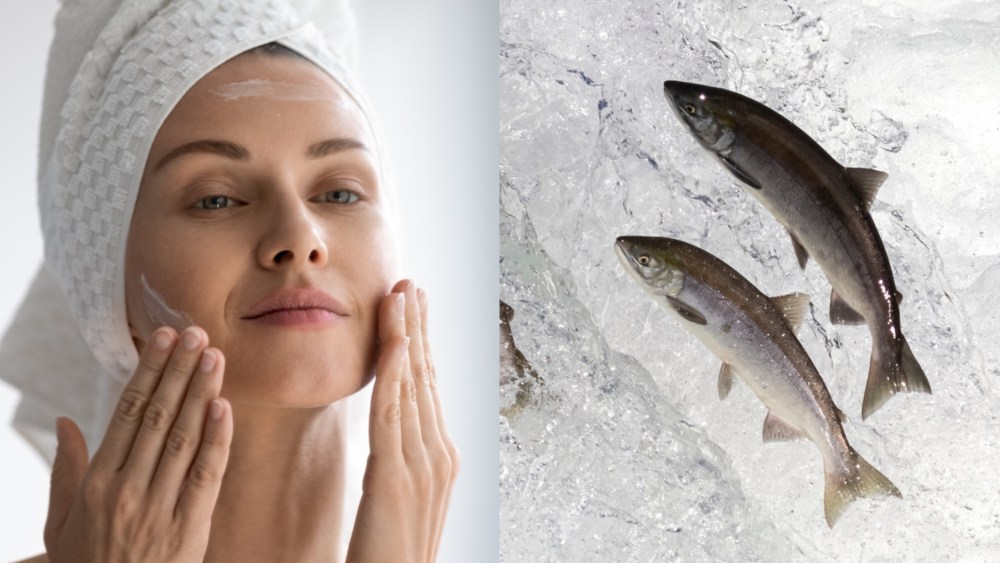
The Rise of PDRN: Salmon Sperm in Skincare
In the ever-evolving world of skincare, unusual ingredients often find their way into trendy products. Beef tallow and snail mucin might have reigned as the oddball favorites, but now salmon sperm—specifically its DNA fragments known as PDRN (polydeoxyribonucleotide)—is making waves. Rising to fame through viral TikTok videos, which showcase over 80,000 clips featuring “salmon sperm facials” and skincare routines, PDRN is being lauded as a miracle solution for achieving that coveted “glass skin” appearance. So, what about this fishy ingredient is capturing such widespread attention? Surprisingly, it’s more beneficial than it sounds.
PDRN is derived from salmon sperm DNA, and its composition is remarkably similar to human DNA. This similarity allows our bodies to recognize and utilize it effectively for skin repair. Dr. Diane Alexander, a board-certified plastic surgeon, describes PDRN as a "turbo-charge repair kit" for the skin. When applied topically or injected, it stimulates new blood vessel formation and boosts essential proteins like collagen and elastin. This means that not only does it promote better blood circulation, but it also helps rebuild the skin’s support structure, leading to improved firmness and elasticity over time. With regular use, the skin literally learns to behave younger, achieving long-term rejuvenation rather than a quick fix.
In addition to its anti-aging benefits, PDRN is known for enhancing wound healing and accelerating cellular turnover, which allows the skin to recover more swiftly from damage. The key to its effectiveness lies in its ability to penetrate beyond the outer skin barrier. Moreover, PDRN boasts anti-inflammatory and antimicrobial properties, which minimize side effects such as redness and clogged pores. As a standout among aquatic DNA sources, salmon is acknowledged as the "gold standard" for its purity and compatibility with human skin, according to Nikki Bruce, a medical aesthetician.
The buzz surrounding PDRN might lead one to think it’s a recently discovered ingredient; however, its development dates back to over a decade ago in South Korea, where it first gained traction through the Rejuran treatments that began around 2008. This technology has since spread globally, manifesting in various skincare products in over 27 countries. The recent surge of interest in PDRN in the U.S. can be attributed to the growing influence of Korean beauty trends, which have captivated audiences with innovative and often unconventional skincare solutions.
K-Beauty brands, especially Medicube, are at the forefront of this PDRN craze, introducing serums, face masks, and moisturizers that promise that translucent, "glass skin" look. High-profile endorsements from social media influencers and celebrities—such as Kylie Jenner and Hailey Bieber—have further amplified this trend, sparking curiosity and enthusiasm among consumers. As Dr. Alexander notes, modern consumers are increasingly on the lookout for genuine, long-lasting rejuvenation products, favoring treatments that offer more than just temporary enhancements.
While PDRN shows great promise, it’s important to note that it’s not for everyone. Those with fish allergies, pregnant individuals, breastfeeding mothers, or those with active infections or autoimmune concerns should steer clear. As the beauty industry continues to explore innovative ingredients from nature, salmon sperm might just be the next big thing, demonstrating that sometimes, the most unexpected solutions hold the most potential.


