







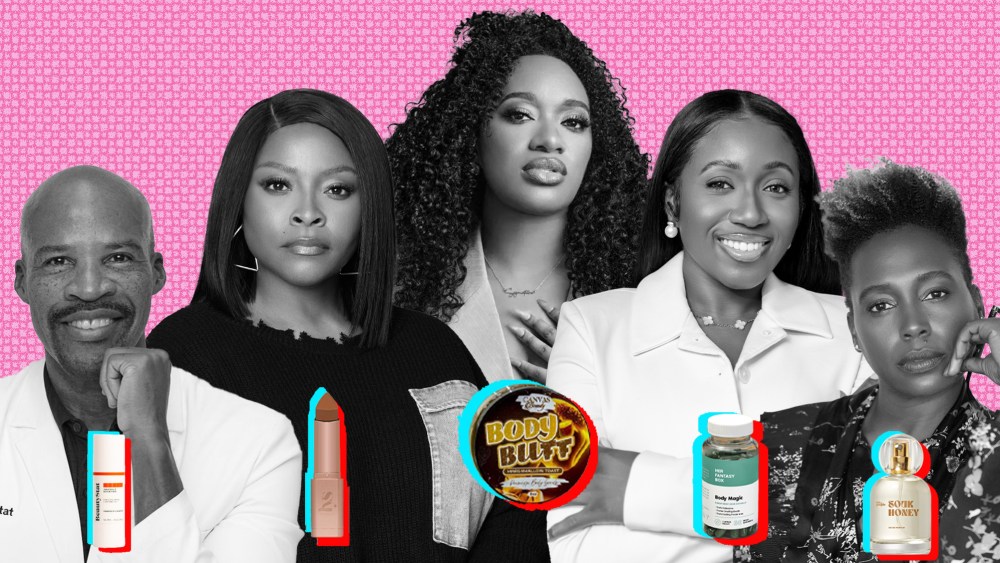
On TikTok Shop, a vibrant landscape of Black-owned beauty brands is emerging, capturing attention and driving sales in an industry that faces significant challenges. Notable brands include Kayla Rowe’s Her Fantasy Box—established in 2022 and already leading in feminine care on the platform—as well as established names like LYS Beauty and BeautyStat. As TikTok Shop has flourished since its U.S. launch over two years ago, it has became increasingly vital for Black entrepreneurs, especially as traditional funding and retail support have dwindled. The decline in investments for Black-founded startups—from $4.9 billion in 2021 to only $700 million in 2024—highlights the urgent need for platforms that enhance visibility and accessibility during turbulent times.
Many Black-owned beauty brands have faced hardships, including some that have closed their doors recently, like Sknmuse and Ami Colé. Additionally, Deon Libra announced a pause in operations due to financial struggles, underscoring deeper systemic issues that hinder BIPOC founders in the beauty industry. Such inequities in capital severely influence all aspects of a brand’s lifecycle, from marketing efforts to retail viability. Industry experts emphasize that platforms like TikTok Shop can offer a more affordable route to brand awareness, making them invaluable as conventional funding wanes. This shift in strategy allows entrepreneurs to connect with potential customers without risking significant financial loss.
TikTok Shop presents a unique platform for brands seeking to engage directly with their audience. Founders like Karen Young of Oui the People have reported impressive sales results from their investments in TikTok Shop, discovering that the platform helps drive awareness while also generating substantial revenue. Young’s brand has exceeded $90,000 in sales since its TikTok Shop launch, highlighting the potency of this new marketplace. Similar success has been echoed by Tisha Thompson of LYS Beauty, whose products have gone viral on the platform, establishing TikTok Shop as a necessary component of their sales strategy that complements more traditional retail channels.
In addition to enhancing sales, TikTok Shop facilitates a sense of community between brands and consumers. The platform fosters connections through engagement rather than serving as merely a transactional site. Founders like Ron Robinson of BeautyStat leverage TikTok to educate consumers about their products, enhancing both sales and brand loyalty. The success of community-driven content underscores the need for beauty brands to adapt to an evolving retail environment where storytelling and meaningful interactions magnify consumer interest and trust.
New brands have found their roots on TikTok Shop, thriving in an ecosystem that celebrates creativity and innovation. For example, Her Fantasy Box, born from personal experiences, has enjoyed remarkable growth since its inception. The brand has generated nearly $120 million in sales in just three years with a strategic focus on engaging content and influencer collaborations. This impressive figure demonstrates the power of TikTok Shop in launching successful businesses, especially among newer entrepreneurs working without substantial backing in a challenging economic landscape.
Finally, while TikTok Shop does not yet offer accelerators specifically for beauty entrepreneurs of color—unlike initiatives from Sephora and Ulta—its partnership with Black Girl Ventures marks a crucial step in the right direction. Programs like Soar Together provide valuable training for Black business owners, signaling a growing recognition of the need for inclusive support structures. These efforts, alongside the successes of emerging brands on the platform, present a hopeful vision for the future. It suggests that despite the uphill battle many face, TikTok Shop is carving out space for Black-owned beauty brands to thrive against the odds, making waves in an industry ripe for change.


