







The skincare industry is increasingly focused on tackling acne, which is no surprise given the robust demand for such products. According to Circana, sales of acne treatments in the mass market surged to $1.7 billion in 2025, marking a 5% increase from the previous year. In contrast, the prestige skincare sector experienced only a slight growth of 1%, reflecting a broader industry trend where consumers are shifting towards more affordable options. Despite these challenges, the appetite for acne solutions remains strong, indicating a lucrative opportunity for brands looking to cater to this persistent skin concern.
As more people turn to online searches for acne solutions, the data speaks volumes about the rising interest in effective treatments. A report from Spate shows that monthly Google searches related to “acne treatment” jumped 19% to an average of 424,000 in 2025. Additionally, terms like “acne scar treatment” and “pimple patch” saw increases of 32% and 23% respectively. Notably, the popularity of “Tretinoin cream” also surged, boasting impressive growth both in search volume and engagement on social media platforms like TikTok. This digital wave illustrates a shift in how consumers are researching and purchasing skincare products.
Social media, particularly TikTok, has become a significant player in the skincare market, with sales of acne treatments on TikTok Shop exceeding $20.9 million in 2025. The momentum peaked in November when sales in the acne category reached an impressive $2.8 million within just one month. This strong performance underscores the influence of social media on consumer behavior, making it clear that platforms like TikTok are transforming how products are marketed and sold, especially among younger audiences who often turn to influencers for recommendations.
In response to this growing demand, innovative solutions are on the horizon. Jack Abraham, co-founder of Hims & Hers, recently launched Indomo, a new venture aimed at introducing an at-home corticosteroid acne injection, pending FDA approval. This approach signifies a move toward more personalized and accessible acne treatments. Additionally, dermatologist Amy Wechsler is contributing to the trend with her newly opened clinic in New York, designed specifically for acne care, offering walk-in consultations, steroid injections, and extractions. Such initiatives highlight a significant shift towards more specialized, accessible treatments for individuals struggling with acne.
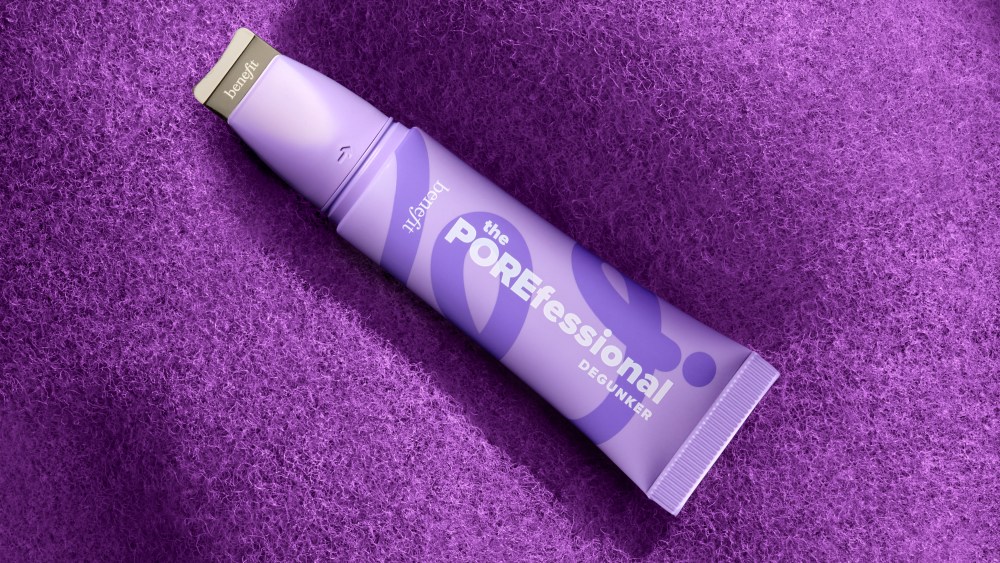
The competitive landscape of acne treatment is heating up, with brands racing to introduce novel and effective solutions. Benefit Cosmetics has entered the fray with a two-step pore “degunker,” while Haruharu Wonder is promoting its acne-friendly PDRN serum. These product launches reflect a commitment to not only addressing acne but also enhancing the overall consumer experience with skincare. As brands innovate and respond to consumer needs, the market is poised for continued growth and evolution over the coming years.
In summary, the convergence of rising consumer interest, technological advancements, and social media influence is reshaping the acne treatment space. With data-driven insights underscoring the demand for effective solutions, skincare brands are positioned to innovate and thrive in this thriving market. As we navigate this evolving landscape, one thing is certain: individuals suffering from acne can look forward to a wave of new, exciting treatments designed to address their needs.


