








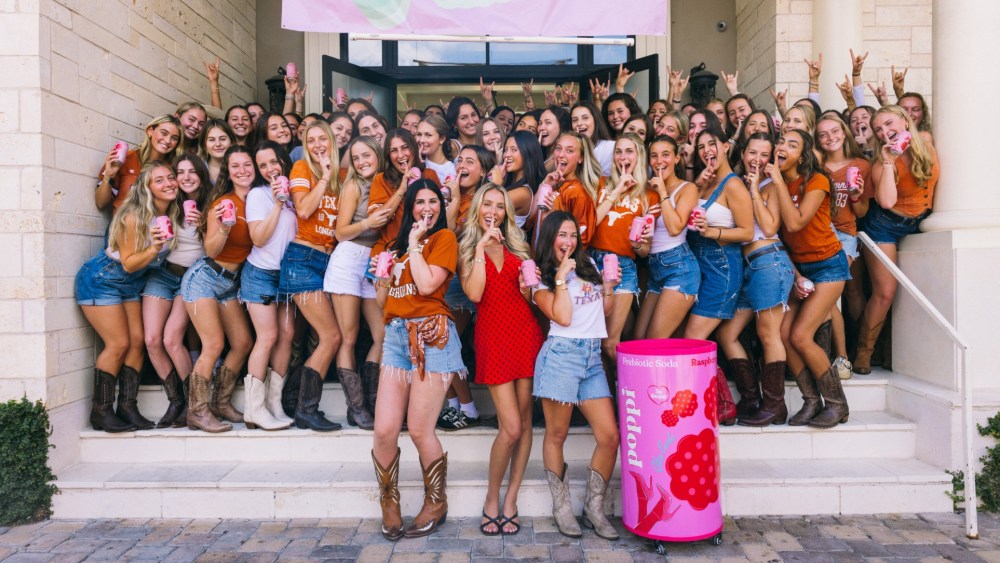
This past fall semester has seen a resurgence of beauty and wellness brands across college campuses, reflecting a significant shift in marketing strategies aimed at the Gen Z demographic. Companies like Bath & Body Works, Ulta Beauty, and Sephora are embracing these young consumers by establishing a presence where they spend much of their time. This trend stems from the realization that college students are not only eager consumers of beauty products but also significantly influence today’s market. According to industry insights, over 75% of students nearing college age engage with skincare and fragrance daily, spending markedly more than previous generations—indicating a ripe opportunity for brands to cultivate long-term loyalty among this demographic.
The figures reveal a staggering annual $5 billion expenditure on beauty products by teens, with the average age for entering the skincare realm being just 12. This offers a rich ground for brands to foster early connections with potential lifelong customers. Jeff Lindquist from Boston Consulting Group highlights this crucial moment as one where companies can solidify brand loyalty by deploying efficient marketing strategies on college campuses. With millennials and younger generations having spent years in a pandemic-driven digital landscape, in-person engagement on campuses has become even more essential. The bounce-back to “real-life” interactions demonstrates that college campuses function like vibrant mini-ecosystems, making them attractive venues for brands aiming to capture the enthusiastic attention of students.
Ambassador programs have emerged as a popular tactic for brands looking to engage directly with students. For instance, Bubble Skincare’s “Bubble on Campus” initiative has successfully recruited 15,000 ambassadors to promote its products on various campuses, incentivized by commissions and rewards. These ambassadors are given the freedom to foster promotions organically, embodying the essence of peer recommendations rather than conventional advertising. Marianne Robinson from Bubble elaborates on how ensuring a strong campus presence builds trust and relevance among students, allowing the brand to integrate seamlessly into the cultural fabric of college life without leveraging traditional ad strategies.
Brands have also begun integrating scholarships and rewards into their marketing frameworks to further enhance their appeal among college-goers. Bubble’s Face the Future scholarship initiative not only offers significant financial support but also accommodates diverse educational needs, acknowledging that expenses extend beyond tuition fees. Similarly, companies like Bath & Body Works and Ulta Beauty are crafting engaging on-campus experiences, such as launching the College Glow Up Tour, which includes pop-up events, giveaways, and opportunities for students to connect meaningfully with brands while also promoting their products in a casual yet compelling way.
Furthermore, companies are focusing on creating authentic relationships via micro-influencers, tapping into the student community to generate organic buzz about their products. The success of Poppi, recently acquired by PepsiCo, epitomizes this strategy—spreading brand visibility through tailored ambassador programs that resonate with college students. The rise of social media further amplifies this word-of-mouth approach, as Gen Z is known for sharing experiences online, enhancing the effectiveness of brand narratives built through genuine peer recommendations and relatable influencers.
Finally, brands like 818 Tequila and Stoney Clover Lane are exploring unique spaces within college culture, recognizing that the college environment is dynamically interwoven with lifestyle and social interactions. The success of events like the 818 College Tour shows how companies can effectively engage with the student lifestyle while staying relevant by aligning with the cultural zeitgeist of college life. Ambitious and targeted marketing strategies are vital in capturing the attention of this busy demographic, making it increasingly important for brands to showcase their presence thoughtfully and memorably on campuses, solidifying their place in the hearts of the next generation of consumers.
In conclusion, beauty and wellness brands are leveraging the unique dynamics of college life to connect with Gen Z consumers, establishing trust and loyalty through innovative marketing strategies. The transition back to in-person engagements symbolizes a broader return to authentic interactions, foundational for effective brand stories. By harnessing the passion and influence of college communities, these brands are not only creating memorable experiences but are also shaping the future of consumer relationships in a rapidly evolving marketplace.


