






The Rising Popularity of Arab Perfumes
The world of fragrances is undergoing a significant transformation, with Arab perfume brands gaining unprecedented traction, particularly on platforms like Amazon. This boom is largely driven by social media trends, specifically #FragranceTok, where users share their favorite scents and reviews. The growing global interest in these affordable, oud-infused fragrances—known for their rich and exotic aromas—has propelled Arab brands to the forefront of the fragrance market. Consequently, they are emerging as some of the fastest-growing brands within the perfume industry.
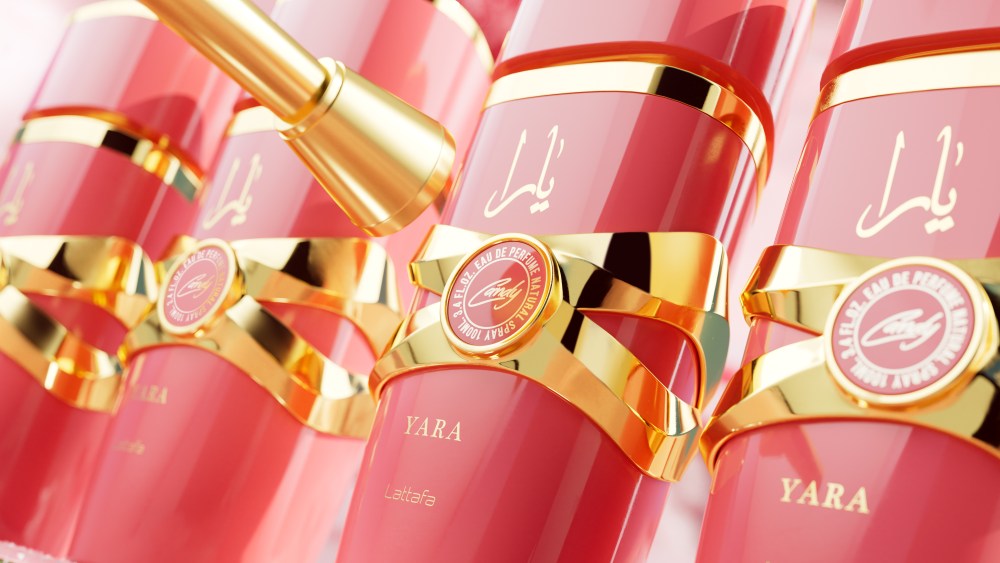
A key player in this movement is United Arab Emirates-based Lattafa. According to recent data from Market Defense, the brand has surpassed the impressive milestone of $100 million in sales on Amazon over the past year. Its flagship product, the vanilla-infused Yara Eau de Parfum, priced at $24, has captured the hearts of consumers, becoming the brand’s best-seller during this period. The fragrance has not only flourished on Amazon but has also gone viral on TikTok Shop, contributing to another $60 million in sales, with both male and female shoppers showing keen interest.
Market Defense’s chief engagement officer, Vanessa Kuykendall, highlights that Yara was initially a breakthrough product for Lattafa, but consumer interest has now expanded to the entire product lineup. Scents like Éclair and Angham have seen over a 50% increase in search volume year-over-year. This indicates a deepening awareness among consumers who are no longer just newcomers to these fragrances—they are actively seeking new releases and exploring different options. The landscape is changing, showing that consumers are more engaged and invested than ever before.
The demand for Arabian fragrances is reflected in the rising search statistics on Amazon. Searches for "Arabian fragrance" have skyrocketed by an astounding 1,281% compared to the previous year, while searches for "Arabian cologne for men" have increased by 83%. This growing interest has translated into tangible sales, as half of the top ten best-selling Arab fragrances over the last year have been men’s eaux de parfum. For instance, during Amazon’s recent Prime Big Deal Days event, Rasasi’s Hawas for Men Eau de Parfum, priced at $29, captured the number-five spot overall. It’s worth noting that while this fragrance debuted in 2016, it has gradually risen in popularity, signaling the potential longevity of these products in the market.
As the landscape is rapidly evolving, Kuykendall describes the mix of established and emerging fragrances as one of the most dynamic areas being tracked in the industry today. Leading brands in terms of estimated sales, according to Market Defense, reflect this trend. Lattafa remains at the top, reaching around $100 million in the last 12 months, averaging $7.5 million monthly. Following closely are brands like Armaf, Afnan, Al Haramain, and Rasasi, with sales figures ranging from $12 million to $39 million, indicating a robust and competitive market for these distinctive fragrances.
The data surrounding these brands underscores a larger narrative about consumer behaviors and preferences. More consumers are seeking unique scents that evoke emotions, memories, and cultural connections. The amalgamation of traditional Eastern elements like oud with contemporary fragrance trends is striking a chord with a global audience. As these Arab perfume brands continue to innovate and expand their offerings, they are not just transforming scent profiles—they are reshaping trends in the fragrance industry, appealing to diverse consumers eager to explore what this aromatic world has to offer.


