







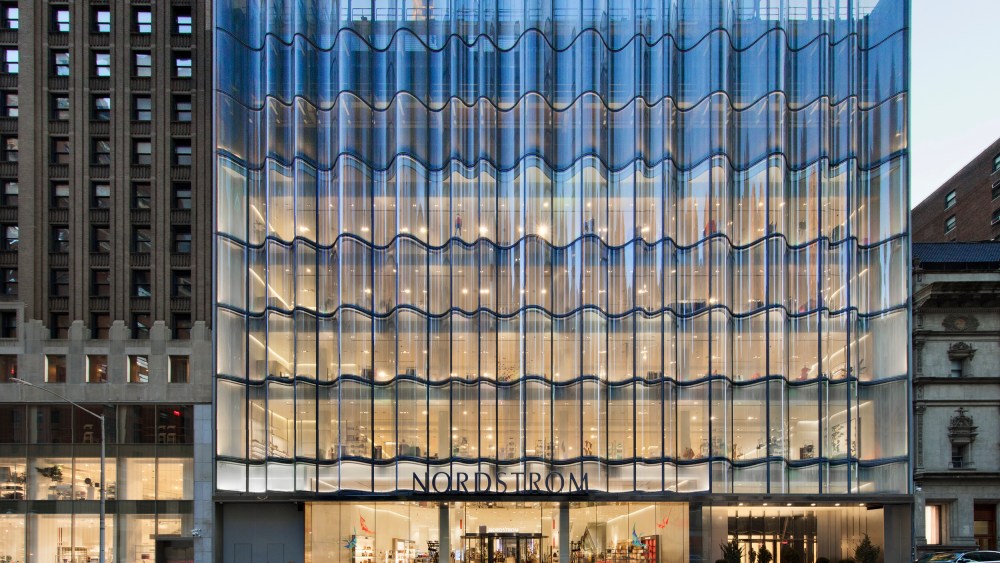
The luxury beauty market is undergoing a significant transformation, particularly highlighted by recent developments involving major players like Saks Fifth Avenue, Neiman Marcus, and Bergdorf Goodman filing for Chapter 11 bankruptcy. This shake-up raises critical questions about the future of luxury shopping in New York and across the United States. With department stores facing newfound challenges, many industry insiders believe that legacy retailers like Nordstrom and Bloomingdale’s are poised to capture the attention of discerning shoppers. These retailers have made substantial upgrades to their beauty offerings, which can be attributed to changing consumer preferences and a competitive retail landscape that demands experiential shopping.
The pivot to Nordstrom and Bloomingdale’s is corroborated by insights from skincare executives who have noted a shift in brand partnerships. Many luxury brands ceased shipments to Saks even before its acquisition of Neiman Marcus, indicating a growing preference for retailers that reliably serve luxury customers. Both Bloomingdale’s and Nordstrom have reported notable upticks in business, thanks to improvements made to their beauty floors, which prioritize customer experience and engagement. Analysts have noted that these spaces are evolving into “mixed-service models,” blending retail with personalized consultation and heightened interaction, thereby attracting a clientele that values both quality and service.
As consumer demographics play a significant role in this shifting landscape, distinct shopping behaviors are emerging. Reports suggest that the Bloomingdale’s customer is often influenced by a willingness to spend without concern for price. The retailer’s focus on exclusivity and collaboration with brands positions it as a destination for sophisticated shoppers. In contrast, Nordstrom draws a clientele interested in high-fashion items, while Macy’s targets a slightly different market. It’s clear that loyalty among these consumers lies heavily with their chosen retailers, each of which offers a unique shopping experience catering to different facets of luxury.
The leadership dynamics also contribute to the competitive retail atmosphere; for example, Nordstrom’s hiring of former Bergdorf chief merchandising officer, Yumi Shin, signals a proactive strategy to enhance their luxury offerings. Industry executives note that this movement toward more specialized management can significantly influence the direction of these department stores. With current trends suggesting an intensive focus on distinct brand partnerships and customer service, each retailer becomes a curated space where personal touch and knowledge are paramount.
Despite the inclination toward traditional department stores, there’s speculation about whether luxury brands might gravitate towards specialty beauty retailers like Sephora and Ulta Beauty. However, opinions vary. Some executives argue that these environments, while popular, may not align with the sophisticated expectations of classic luxury brands. The essence of luxury shopping, according to some industry leaders, should focus on creating a highly curated experience that resonates emotionally with the consumer, as opposed to reverting to a more generic, mass-market approach.
As the market continues to shift, newer luxury brands face a precarious situation. The absence of established platforms like Saks and Neiman Marcus as retail conduits could make it difficult for startups to find a voice or gain traction. Industry experts argue that the traditional wholesale route is fraught with challenges, and brands need to cultivate their own loyal following directly through engagement and emotional connection rather than relying purely on retail partnerships. The retail landscape suggests a pivot towards brands owning their narratives and engaging consumers in more personalized, meaningful ways, thus reimagining the luxury beauty experience moving forward.


