








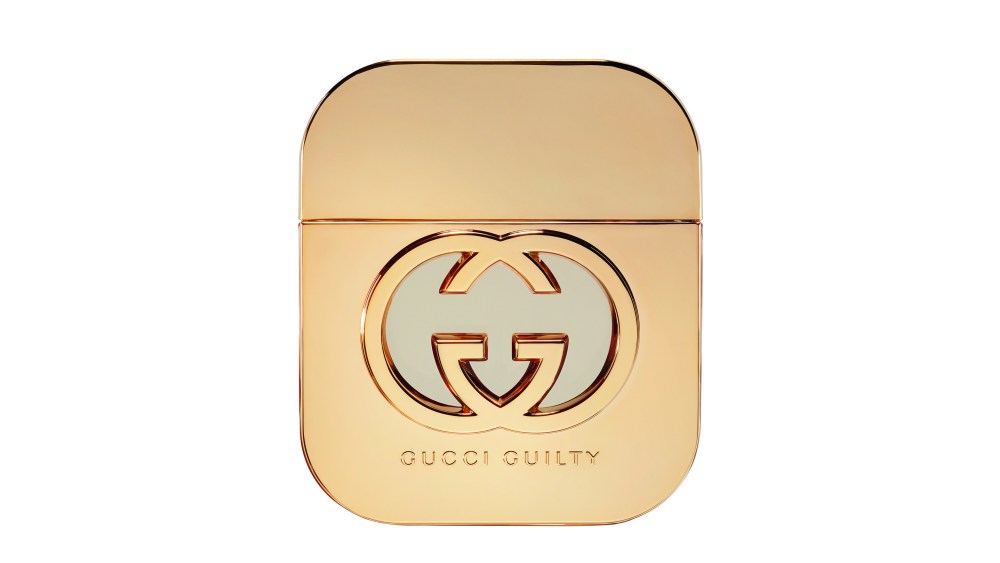
In a significant shake-up for the beauty industry, analysts are keenly observing the implications for Coty Inc. after the announcement that L’Oréal will take over the Gucci fragrance license in 2028. This news follows a substantial 4-billion-euro agreement for L’Oréal to acquire Kering Beauty, paving the way for a strategic partnership focused on beauty and wellness. As the current license held by Coty nears its expiration, many industry experts are speculating about the challenges and opportunities that lie ahead for Coty, particularly as they stand to lose a key revenue generator.
The financial ramifications of this transition are already being scrutinized. Barclays analysts predict that the loss of Gucci could dilute Coty’s earnings before interest, taxes, depreciation, and amortization (EBITDA) by approximately 12.5% overall, and 14% when excluding their Consumer Beauty assets, which are currently under review. Given that Gucci represents roughly 10% of Coty’s sales—estimated at about $555 million—this transition could have far-reaching effects on the company’s financial stability. Analysts are calling into question how Coty will adapt to a significant loss in revenue, especially in the current competitive landscape.
Complicating matters further, Coty is in the process of reviewing its mass color cosmetics business and operations in Brazil, showcasing a broader strategy to reassess its brand portfolio. The company has been increasingly emphasizing a strong balance between owned and licensed brands, with 76% of its portfolio consisting of products that are either owned or licensed for ten years or more. However, with Gucci accounting for a significant portion of Coty’s business, the reality of losing this brand poses a risk that could undo recent gains in their strategic positioning.
Coty’s approach to mitigate these losses involves proactively renewing or extending their licensing agreements while also expanding their well-established brands and introducing new license options. As the analysts from TD Securities suggest, the expiration of the Gucci license could lead to a notable drop in earnings per share, ranging from negative 4% to 19%. This potential downturn raises concerns about how the market will respond and whether Coty can effectively navigate the upcoming financial challenges.
Positioning itself amidst this uncertainty, Coty will need to carefully consider its next steps, especially with such a critical portion of its revenue at stake. Jefferies analysts note that Gucci is Coty’s third-largest fragrance brand, making the impending transition particularly worrisome. The company had the opportunity for an early buyback of the Gucci license, which might have provided a much-needed cash influx to support future initiatives; however, the planned expiration leaves Coty with the daunting task of filling the substantial gap in their product offerings.
This development has also prompted JAB Holding, Coty’s largest shareholder, to reassess its strategy. With opportunities for further acquisitions on the horizon, JAB may now be faced with pivotal decisions about whether to divest entirely from Coty or seek ways to enhance the company’s prestige offerings. This shift not only clarifies the outlook for Coty but could also set the stage for crucial strategic adjustments in the coming years as they brace for the impact of losing a cornerstone brand like Gucci. As the industry watches closely, the path Coty takes could redefine its future in the competitive beauty landscape.


