








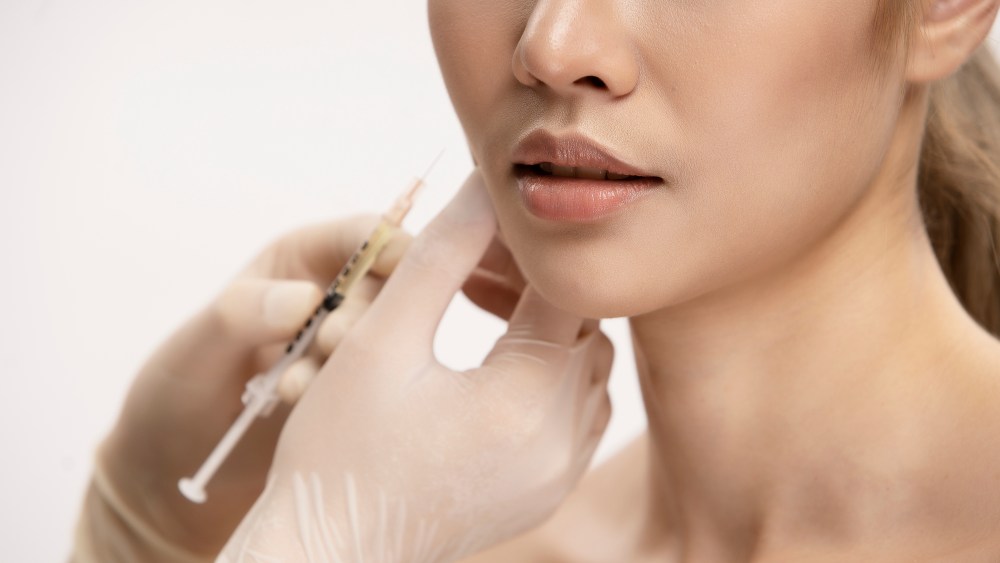
As we look toward 2026 in the realm of facial plastic surgery and aesthetics, the underlying theme seems to be an emphasis on natural beauty characterized by subtle enhancements rather than dramatic transformations. Dr. Adam Kolker, a New York plastic surgeon, notes a clear trend emerging from the past 18 months: the mantra “less is more” resonates strongly in the industry. Clients are increasingly seeking procedures that restore rather than excessively alter their faces, focusing on authenticity and refinement.
A major aspect of this trend is the restoration of lost facial volume due to aging. Over time, as we age, our faces can lose the fullness that gives a youthful appearance. To combat this, fat transfers are gaining popularity as a preferred option compared to more traditional fillers, which have seen a kind of fatigue among users. Kolker stresses the importance of this restoration, noting how different surgical techniques, such as SMAS and deep plane lifting, are instrumental in returning facial volume, particularly to the cheeks and upper face. Fat transfer, he argues, isn’t just a cosmetic procedure; it serves as a structural solution that complements any facial aesthetic work.
In addition, the growing trend of weight loss treatments, particularly with the rise of GLP-1 medications, has introduced a condition colloquially termed “ozempic face.” As people lose weight, they inadvertently lose some youthful facial volume, which underlines the need for methods that can restore that lost fullness. This phenomenon continues to shape the conversation around facial aesthetics, pushing for innovative solutions that address both structural integrity and aesthetic appeal.
On the forefront of dermatological aesthetics, new treatments like P.E.A.R.L. Advanced Cell Signaling System are making their mark. This innovative treatment utilizes microneedling combined with ingredients such as salmon sperm, antioxidants, and growth factors to rejuvenate the skin. Dr. Morgan Rabach, a board-certified dermatologist, explains how microneedling not only promotes regeneration but, when paired with exosomes, maximizes the skin’s ability to absorb regenerative substances. Such treatments symbolize a broader shift toward harnessing the body’s natural healing processes and encourage more dynamic approaches to skin health.
Despite the current fatigue surrounding conventional fillers, Rabach predicts a resurgence of these products in 2026. She believes that while negative narratives about excessive filler may have become more prevalent, the industry will pivot back to embracing the artful application of fillers. The emphasis will shift toward natural effects, blending these fillers with innovative regenerative compounds like exosomes and other biostimulatory elements. This combination aims to create a more harmonious face while optimizing healing and maintaining skin vitality.
In summary, as we transition into 2026, the landscape of facial plastic surgery and aesthetics is poised for a modern renaissance grounded in authenticity and subtlety. The focus on restoring youthful volume, exploring advanced treatment options, and carefully utilizing fillers signals a change in client preferences toward a more natural approach. This evolution encapsulates a deeper understanding of beauty, encouraging practitioners to adapt their techniques in line with evolving aesthetic ideals while fostering positive results for their clients.


