

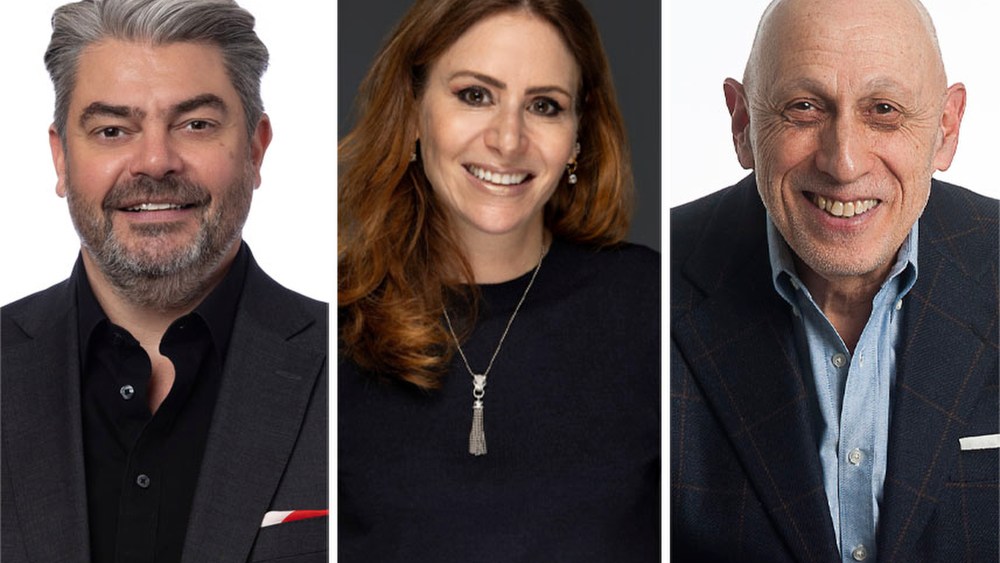
The beauty industry is currently navigating a complex landscape marked by ongoing executive turnover, technological advancements, and a constant restructuring of teams. As companies adapt to these changes, experts suggest that this game of executive musical chairs will persist well into 2026. With major players in the market, both established giants and emerging brands, having already streamlined their operations, many anticipate a continuing robust and flexible job market. According to Caroline Pill from Heidrick & Struggles, the integration of artificial intelligence (AI) is pivotal in reshaping how brands engage with consumers and build loyalty, signaling that the sector must quickly adjust to this evolving digital environment.
The recent trend of mergers and acquisitions has also significantly impacted the industry. For instance, big names like L’Oréal have made headlines by acquiring beauty licenses from Kering and even taking over Creed. These moves can lead to redundancies within teams, resulting in further shifts in personnel. David Treussard of Callahan & Westmoreland highlights that 2025 served as a transition year in the industry, setting the stage for anticipated changes moving forward. With these consolidations, companies will likely undergo significant restructuring, particularly affecting roles in sales and related business functions.
AI is expected to play a crucial role across various sectors, including marketing, finance, technology, and supply chains, leading to an increased demand for skilled professionals. As Treussard points out, successful candidates will need to possess sharp skills, particularly in consumer engagement. The beauty industry’s ability to adapt to these demands will determine how effectively it can leverage AI to enhance its operations and meet evolving customer needs.
Another trend emerging is the rise of fractional C-suite executives who provide strategic leadership without committing to a full-time role. This shift arises from the desire of seasoned professionals to avoid the pressures that come with running independent brands, as noted by Martin Kartin. Companies have become increasingly open to employing fractional executives as a cost-saving measure while still benefiting from the expertise of successful leaders.
Interestingly, even as some experienced beauty executives transition to sectors like wellness and ingestibles, there still remains a substantial opportunity within beauty, specifically in product development. Kartin emphasizes that the demand for skilled product development professionals has surged, especially as indie brands proliferate. The emphasis has shifted beyond just hiring senior marketing personnel; there is a growing need for experts in product development and supply chain logistics as companies navigate this more competitive landscape.
Looking ahead to 2026, the general sentiment among industry experts is optimistic. Treussard notes that companies tend to hire from within, promoting talent one level down, thus ensuring a smoother transition in leadership. While uncertainties always loom, the groundwork laid in previous years suggests that executive hiring in the beauty industry will be solid and stable in the years to come. As long as no significant disruptions occur, a healthy executive recruitment process and the evolution of the market will continue to unfold, benefiting brands and professionals alike.