







A recent report by Spate and YipitData highlights the remarkable shift in the beauty industry driven by TikTok, emphasizing significant gains for a new wave of brands that are effectively harnessing social media momentum. Among the notable leaders in this space are Medicube and Anua, who boast staggering view counts—10.6 billion and 9.3 billion, respectively—on TikTok. This surge indicates a growing interest in innovative beauty solutions and engaging product formats that resonate with modern consumers. Yarden Horwitz, co-founder of Spate, explains that curiosity fuels this virality, with demand for groundbreaking product innovations like microneedling serums and TikTok-friendly features such as boba creams and color-changing masks.
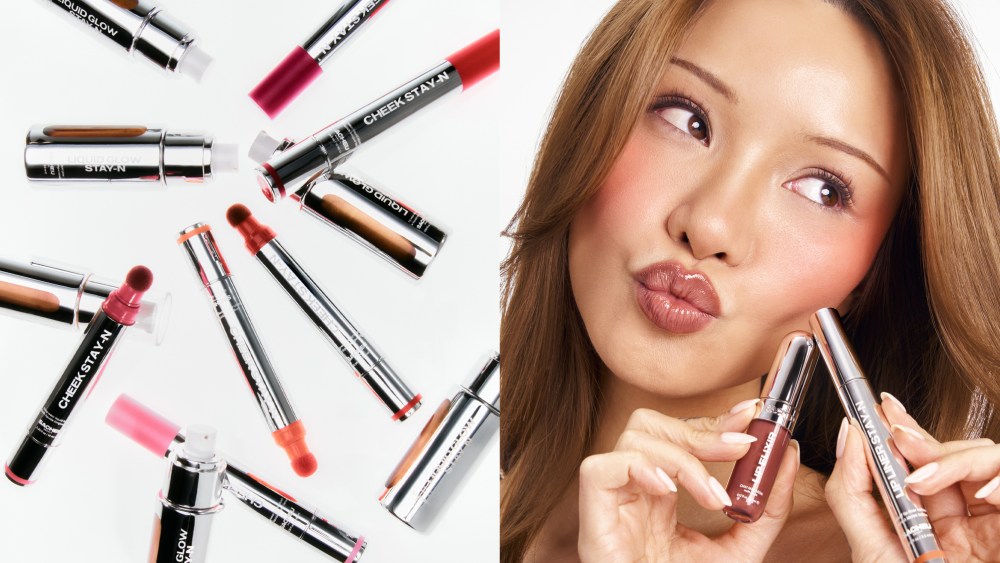
The importance of strategic marketing is underscored in this report. While these brands are gaining traction, much of their viral success is propelled by paid advertising campaigns, whether through collaborations with major influencers or cost-effective partnerships with micro-influencers. Sacheu Beauty exemplifies this trend with its wildly popular Peel-Off Lip Liner Stain, which has amassed 4.5 billion views and is reshaping consumer interactions with makeup. The allure of digital virality is driving a shift not just in consumer preferences but also in shopping behaviors, with platforms like Amazon becoming critical spaces for trend-driven beauty purchases, posing competition to traditional brick-and-mortar retailers.
The data reveals that Medicube and Anua are making significant inroads in Amazon’s skincare sector, with Medicube commanding a notable 2 percent of total category share as of May 2025. This growth highlights a broader trend of established brands like CeraVe and Neutrogena losing market share as consumer interest increasingly gravitates toward buzzworthy newcomers. These emerging brands are not only asserting their presence but are also transforming shopping patterns, making it essential for retailers to adapt or risk becoming irrelevant.
However, the report also emphasizes the challenges these brands face in maintaining their newfound momentum. While initial success can be exhilarating, turning that early buzz into sustained brand loyalty remains crucial. For example, the skincare brand Cosrx experienced a notable decline in market share after a strong start, despite the initial hype surrounding its unique ingredient, snail mucin. As Cosrx’s impact waned, the growth of Medicube and Anua continued, showcasing how dynamic the market has become in a short span of time.
Horwitz notes that ongoing innovation is vital for these brands to remain relevant. Medicube’s remarkable year-over-year growth—over 1,000 percent as of 2025—demonstrates the effectiveness of continuous product development and agile marketing strategies. Expanding the product lineup while actively engaging with consumers through platforms like TikTok is critical for sustaining interest and loyalty.
Ultimately, the message for retailers is explicit: adapt to the evolving landscape driven by social media and influencer culture or watch as more agile brands secure consumer attention. As the focus shifts to virality-driven growth, retailers must strategize their positions not only with direct-to-consumer efforts but also through partnerships with both online and physical retail outlets. The beauty industry is in a state of flux, revealing that engaging, innovative brands are not just trends—they are reshaping the entire shopping experience.


