

The beauty industry demonstrated a vigorous resurgence in 2025, reigniting interest in mergers and acquisitions (M&A) and once again witnessing companies achieving unicorn status. Despite a challenging 2024 marked by minimal activity and various economic pressures, including U.S. tariffs, a depreciating dollar, and ongoing geopolitical tensions, M&A activity in beauty kicked into high gear by mid-year. The crowning achievement of this ambitious year was L’Oréal’s monumental €4 billion acquisition of Kering Beauty, announced on October 19, a move that is poised to reshape the landscape of the beauty sector.
Marissa Lepor, a managing director at The Sage Group, emphasized that initial expectations for robust M&A activity were somewhat dampened due to economic uncertainties. This led to a hesitance among stakeholders early in the year; however, the latter half experienced a noticeable uptick in activity. She remarked that as brands and teams learned to navigate these barriers, the most adaptable companies emerged with strengthened market positions. This resilience highlighted a crucial Darwinian element in a complex marketplace, where only the fittest could thrive amidst significant pressures.
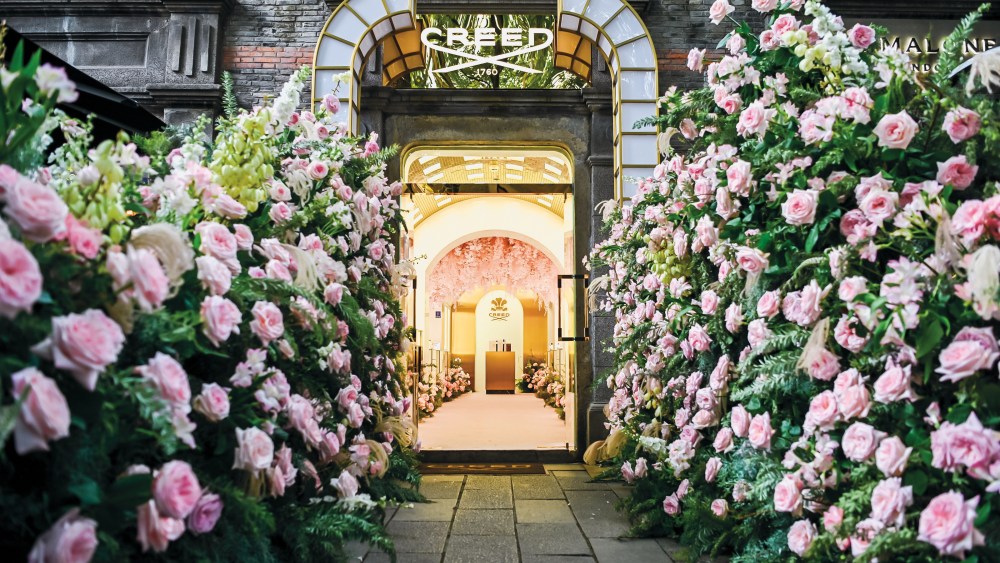
L’Oréal not only spearheaded these acquisitions but also set an example for other strategic investors seeking growth across various categories. The French cosmetics giant made substantial moves, solidifying its position by expanding into luxury beauty and wellness sectors through its acquisition of The House of Creed and other notable brands. According to M&A strategist Nnenna Onuba, this acquisition shifted the paradigm of power within the industry. Onuba pointed out that such movements could exert downward pressure across the beauty sector, influencing everyone involved, from retailers to investors.
In addition to the Kering deal, Kimberly-Clark Corp. made headlines in November with its announcement of a staggering $48.7 billion agreement to acquire Kenvue Inc., which owns household names like Neutrogena and Tylenol. This monumental acquisition is expected to enhance Kimberly-Clark’s footprint in global health and wellness. L’Oréal also distinguished itself by increasing its stake in dermatology leader Galderma, signaling a keen focus on the rapidly growing aesthetics market. Another acquisition, of the skincare brand Medik8, valued at about €1 billion, marked a return to unicorn valuations in the beauty sector, indicating renewed investor confidence.
The list of significant acquisitions did not stop with L’Oréal. E.l.f. Beauty’s acquisition of Hailey Bieber’s brand, Rhode, valued at $1 billion, marked a significant milestone, showcasing the industry’s appetite for celebrity-endorsed beauty products. At the same time, Unilever was active, acquiring British sustainable brand Wild while spinning off its underperforming Kate Somerville brand. Similarly, Kim Kardashian’s Skims made waves with its acquisition of Skkn by Kim, showing ongoing celebrity influence in the beauty market.
As we move towards 2026, the beauty M&A scene shows no signs of slowing down. Industry insiders like Alicia Sontag point out the evolving dynamics of retail and branding, suggesting that adaptability will be crucial for survival. As digital platforms like Amazon and TikTok continue to reshape consumer habits, the brands that manage to innovate and stand out will shape the future of the beauty industry. The excitement around this dynamism highlights the ever-changing and competitive nature of beauty, albeit fraught with challenges, making it a space where only the most resilient and innovative brands can thrive.