

Navigating Challenges in Travel Retail
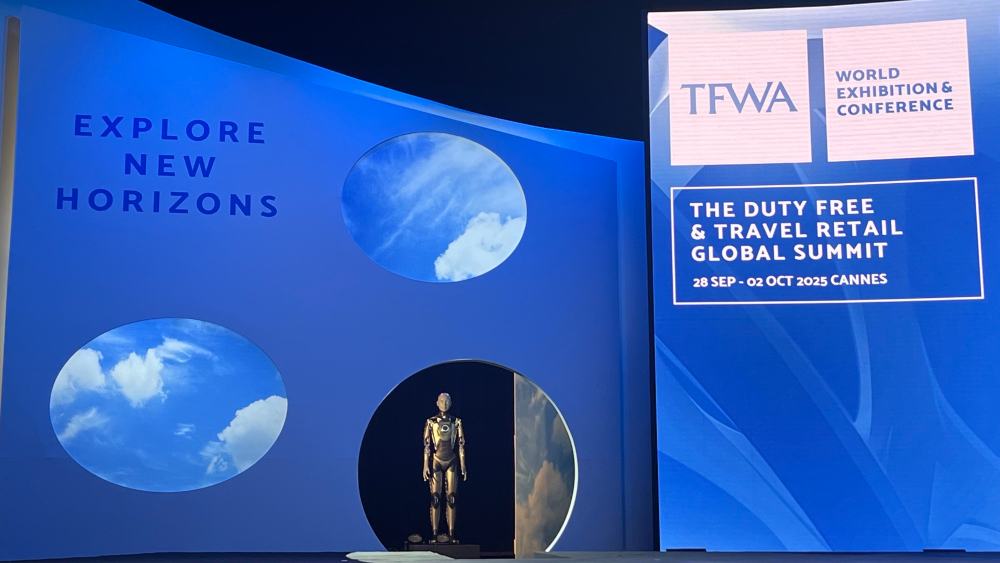
The travel-retail industry, valued at over $70 billion, is navigating a complex landscape marked by geopolitical tensions, economic shifts, and evolving consumer preferences. This was underscored at the recent TFWA World Exhibition & Conference in Cannes, where industry leaders like Rudolph Lohmeyer, a partner at Kearney Foresight, highlighted the profound changes facing the sector. The theme of the event, "Explore New Horizons," resonated as speakers acknowledged the rapid shifts in consumer demographics and buying behavior. Lohmeyer emphasized that there may be lingering turbulence for the next few years, pointing to a landscape characterized by both opportunities and challenges.
Philippe Margueritte, the president of TFWA, pointed out that uncertainty in business poses a significant threat to growth, inhibiting investment and affecting consumer spending. Despite the turbulence, fundamental aspects of travel retail remain strong. The innate desire to travel is expected to double air passenger numbers in the next 20 years, creating a lucrative target audience for retailers eager to connect with consumers who have disposable income. As Matthew Growdon from Estée Lauder emphasized, these travelers frequent elevated retail environments that present golden opportunities for engagement.
However, this surge in passenger numbers does not automatically lead to increased retail spending. Margueritte shared a sobering analysis indicating a decline in passenger spending over the last few years, prompting calls for a “retail revolution” with stronger experiences and strategic adaptations. Olivier Dubos from Estée Lauder echoed this sentiment, advocating for a reimagined retail strategy that emphasizes sustainability over solely catering to past consumer trends, particularly those centered around Chinese tourists. Margueritte pointed to artificial intelligence as a transformative opportunity, demonstrating this with Ameca, an AI-powered humanoid robot that conveyed consumer sentiment around complex factors like inflation and global economic conditions.
The challenge of dwindling time that passengers spend in airports has also emerged. As streamlined check-in processes reduce dwell time, more retailers find it difficult to captivate consumers. Data suggests that while 45% of shoppers state that in-store experiences inspire purchases, a staggering 75% of travelers’ downtime is spent on their phones instead of wandering through shops. Bobby Jones, a consumer expert, raised vital questions about how to make retail experiences more engaging than the endless scrolling of social media, particularly for younger generations like Gen Z. As this demographic is projected to comprise 30% of travelers by 2028, retail must innovate to meet their expectations for experiences over mere transactions.
As the travel-retail environment evolves, brands are tasked with increasingly agile and localized offerings. L’Oréal and Clarins showcased unique activations, such as city guides and exclusive product collections tailored to regional demographics, while Estée Lauder aimed to enhance customer engagement with interactive experiences. For example, L’Oréal leveraged the beauty of travel by offering localized products tied to cultural significance. This reflects a growing acknowledgment that emotional connections with consumers are paramount in a landscape dominated by choice. The industry seems to recognize that while each region presents unique challenges, local adaptation is crucial in ensuring that the retail experience resonates authentically with travelers.
As the industry seeks to navigate these challenges, the importance of sharing data among stakeholders becomes increasingly clear. Executives agree that collaboration across the “travel pentarchy” — brands, retailers, airlines, and digital platforms — could enhance the passenger experience and drive conversion. Furthermore, with emerging markets and evolving consumer behavior set to define the future of travel retail, maintaining agility and adaptability is vital. The growing importance of Indian travelers and the evolving preferences of Chinese consumers illustrate the need for continuous reevaluation of strategies within this competitive landscape.
In conclusion, while the travel-retail sector faces various challenges, there are multiple avenues for growth and reinvention. As travel returns to normal, albeit in a transformed capacity, luxury brands and retailers are investing in experiences that enhance consumer engagement. The increased focus on local relevance, emotional connection, and innovative experiences indicates a shift from mere recovery to an earnest reinvention of the travel-retail landscape. The resilience of the industry, coupled with informed strategies, suggests that travel retail is moving toward a more promising and engaging future.