








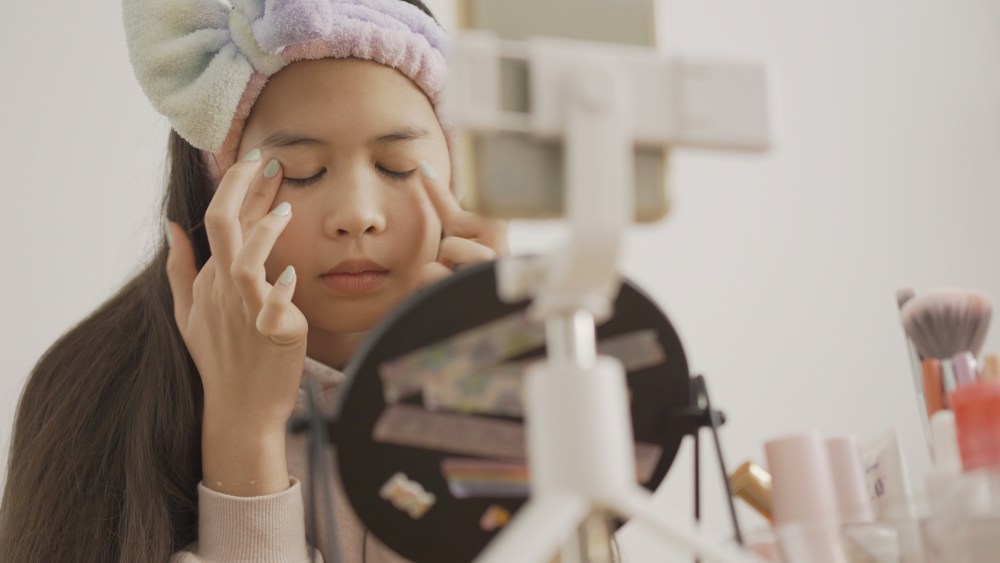
The question of when children should start experimenting with beauty products has become increasingly pertinent, especially following Shay Mitchell’s launch of Rini, a skincare and play brand designed for kids aged 4 to 12. Along with her cofounder Esther Song, Mitchell sought to create products that cater to the natural curiosity many children already demonstrate towards beauty routines. Rini made its debut with hydrogel face masks, igniting discussions among parents regarding the appropriateness and implications of introducing beauty products at such a young age.
In their mission statement, Mitchell and Song emphasize that Rini aims to inspire creative exploration rather than impose beauty practices. They highlight that all products are made in Korea, adhering to the Korean beauty philosophy—gentle and science-driven formulations—making it easier for parents to choose suitable items for their children. By creating age-appropriate and safe products, they hope to foster connections with the emerging Generation Alpha, who are increasingly interested in beauty.
Interest in beauty among children and teens has surged recently. According to Jeff Lindquist of the Boston Consulting Group, spending on skincare by teenagers is up by 30% compared to five years ago. This increase indicates that beauty routines are being established earlier and becoming more entrenched in young people’s lives. The skincare market itself has outpaced broader beauty market growth, achieving a year-over-year increase of 23%, while the overall beauty industry grew by 9%. This shift reflects a growing cultural acceptance of beauty practices among younger demographics.
Much of this rising curiosity and demand can be attributed to the influence of young social media creators. For example, Salish Matter, a 16-year-old with her own skincare line, drew an impressive crowd during her product launch at Sephora. Brands targeting this generation are increasingly working with peers—young influencers who resonate with their audience, rather than traditional advertising methods. These collaborations have proven successful, as evidenced by a significant jump in earned media value and millions of impressions, highlighting the effective outreach of brands like Rini.
Mitchell and Song assert that Gen Alpha is empowered by social media and has better access to information than previous generations—researching products, reading reviews, and analyzing ingredients through technology. Consequently, the skincare category is likely to keep expanding, despite any backlash. Lindquist suggests that criticism may alter the nature of products favored by young consumers, leading them toward simpler routines and gentler formulations tailored for their skin types. This demographic’s growth rate in beauty consumption is expected to outpace the broader market.
As the beauty landscape evolves, there are clear challenges surrounding the introduction of skincare products to younger audiences. Julia Straus, cofounder of another brand, suggests that brands must be prepared for ongoing discussions about their role in youth beauty. Instead of pushing aesthetic ideals, the focus should be on building relationships that resonate with this generation, promoting thoughtful engagement rather than hurried routines. As parents navigate these changing dynamics, the dialogue around children’s beauty habits remains crucial for understanding and shaping their experiences in this new consumer landscape.


