

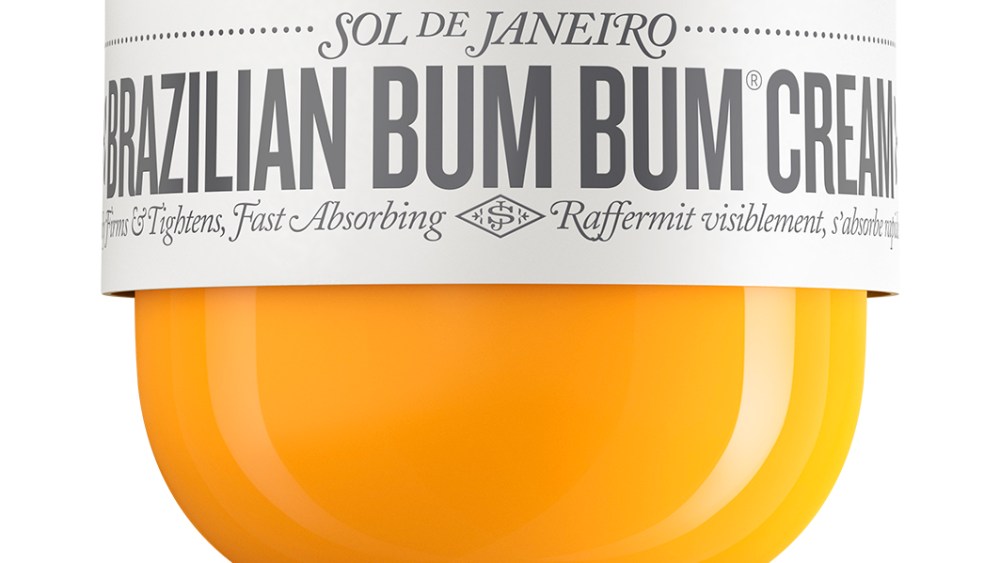
In the bustling beauty market of early 2025, consumers turned to Ulta.com and Sephora.com to indulge in their favorite products, driven by a variety of options and competitive brands. Data from Navigo Marketing reveals that among the standout performers, Sol de Janeiro gained substantial traction, particularly at Ulta Beauty. While both retailers witnessed remarkable growth, brands like Kérastase and La Roche-Posay also demonstrated notable increases in sales, highlighting a vibrant landscape for beauty enthusiasts.
Amid this array of choices, shoppers’ preferences also leaned towards private label brands at both retailers. At Sephora, the Sephora Collection retained its position as the number one choice for consumers, despite a slight drop in sales during this period. Similarly, Ulta Beauty’s own collection, though also experiencing a decline year-over-year, continued to hold a respectable third place among popular offerings. These patterns suggest a deep engagement with both branded and private label products, as shoppers navigate their beauty routines.
Interestingly, the pricing strategies at Ulta and Sephora cater to different consumer demographics. Sephora’s patrons tend to gravitate towards products around the $40 mark, while Ulta Beauty attracts customers who are more comfortable spending around $30. This pricing dynamic illustrates the varied shopping behaviors and preferences within these two retail spaces, influencing which brands ultimately thrive in their environments.
The sales performance of various brands during the first half of 2025 sheds light on key consumer trends. For Ulta Beauty, Clinique emerged as the top seller, though it experienced only modest growth. La Roche-Posay and Ulta Beauty Collection followed closely, showcasing the enduring popularity of skincare and beauty essentials. Notable mentions also included Redken and E.l.f. Cosmetics, both of which brought in positive percentages, demonstrating that diverse offerings appeal to the Ulta consumer base.
On the other hand, Sephora’s leaderboard tells a slightly different story. The Sephora Collection, while still the best-seller, suffered a slight decline in sales. Sol de Janeiro maintained a solid presence, coming in as a consumer favorite alongside The Ordinary, which saw modest growth. Additionally, brands like Kérastase and Rare Beauty managed to hold their own, suggesting that innovation and effective marketing continue to resonate with the Sephora shopper.
In conclusion, the beauty landscape of early 2025 reveals an intricate interplay of brand performance, consumer preferences, and pricing strategies. Both Ulta Beauty and Sephora remain key players, attracting customers with a blend of popular products and exclusive private labels. As consumers navigate their beauty needs, the success of brands like Sol de Janeiro, Kérastase, and La Roche-Posay exemplifies a blend of quality and desirability in today’s market, reflecting evolving consumer tastes and trends.