








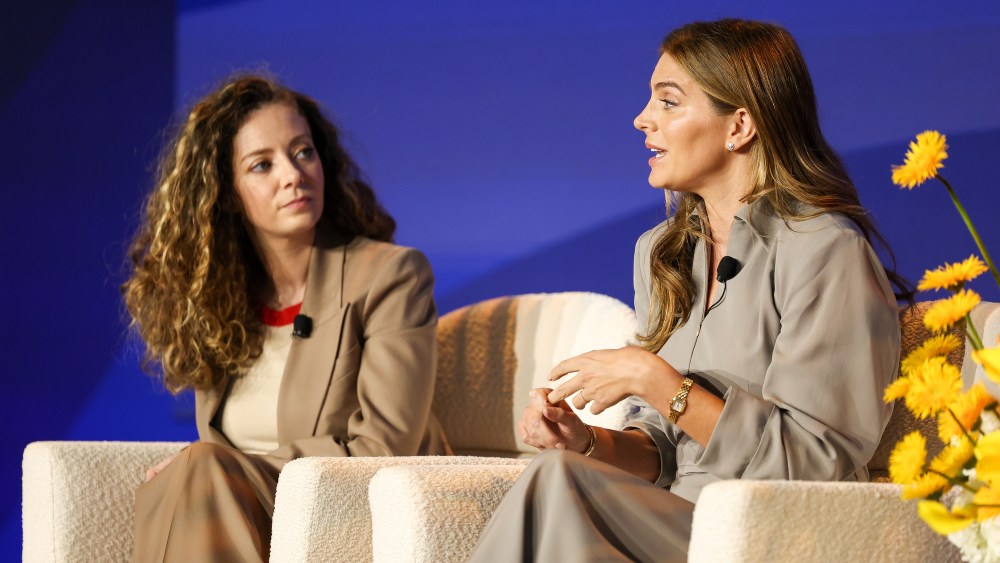
At the recent Women in Power conference, Anna Sweeting, founder of The Equity Studio, emphasized the significant influence women hold in the consumer market, stating, “Money is power, and we shouldn’t be shy to talk about that.” In her conversation with Sasha Radic from Jefferies, moderated by Kathryn Hopkins, Sweeting highlighted the crucial role women play in the economy. They make 80% of purchasing decisions and dominate the social media landscape, where a majority of content creators have substantial followings. Despite these facts, the funding landscape remains markedly unequal, with women entrepreneurs receiving significantly less venture capital compared to their male counterparts.
The discrepancy in funding remains a pressing issue, even as data shows that, for the first time since 2020, the share of VC deals involving female co-founders declined. Radic remarked that while women receive minimal funding, those who do often excel in managing their enterprises, noting that they achieve greater success than men when capital is obtained. Optimistically, she pointed out a positive trend: from just 1% of IPOs in 2014 being led by women, the figure climbed to 9% by 2024. However, the journey toward successful exits begins much earlier, involving crucial negotiation skills and a problem-solving mindset.
Navigating company sales is deeply personal, according to Radic, who urged entrepreneurs to view negotiations not just as transactions but as opportunities to address specific values and find creative solutions. Sweeting added that when starting their ventures, women may feel pressured to project strength and assertiveness, when in reality, being precise and a good listener can be equally effective. She encouraged women to embrace a unique approach—stepping outside traditional roles and being unafraid to challenge norms.
Sweeting stressed that financial support must be complemented by mentorship for the greatest impact. She noted that while funding is crucial, the lack of initial support can hamper women’s progress. In contrast, men might persist despite challenges. Mentorship can guide women through obstacles, helping them realize they are not alone in their struggles. The sense of community and shared experiences can foster resilience and encourage more sustained efforts among women entrepreneurs.
When discussing what attracts investors currently, Sweeting emphasized the importance of solid financial foundations. She pointed out that businesses showing “slow, intentional growth” rather than rapid expansion are gaining more attention. Radic echoed this sentiment, enhancing the discussion by highlighting the value of profitability and strong market positioning as key traits for businesses that are making successful transactions.
Looking forward, both experts foresee a surge in investment activity through 2026, particularly for companies that are not only profitable but also recognized leaders in their respective markets. It appears that the increasing awareness of women’s contributions to commerce may finally be swaying investment patterns, albeit gradually. As they navigate these changing dynamics, the partnership between financial backing and mentorship may well define the future landscape for women in business, paving a pathway for long-term success.


