

The Intersection of Beauty and Playfulness: A Growing Trend
As the holiday season unfolds, beauty companies are embracing an unexpected inspiration from the toy industry. This marriage between beauty and play reflects a cultural shift where products are not merely functional but are also designed to be collected, displayed, and interacted with. Nick Mowbray, founder of the toy company Zuru, articulates this transformation, stating that beauty products are evolving into “characters and companions.” This evolution indicates a significant departure from traditional beauty marketing, prioritizing emotional connection over mere utility.
The concept of “kidults”—adults who collect toys—highlights a youthful desire for nostalgia and playful engagement. Mowbray notes that as toys mature, beauty is simultaneously becoming youthful, drawing from childhood imageries and experiences. These industries are finding common ground through their focus on joy, emotional connections, and identity formation. Consumers today are looking for products that resonate with their personal journeys rather than just serve a practical purpose. This shift is particularly evident in brands like Daise Beauty, which has quickly gained traction within the Gen Z demographic, aiming to create brand experiences that resonate emotionally.
With this change comes a vibrant aesthetic that marks a departure from the minimalist packaging that dominated beauty trends five years ago. Wendy Liebmann, CEO of WSL Strategic Retail, emphasizes this point, noting the explosion of color in product packaging seen at retailers like Sephora and Ulta. As the world feels increasingly chaotic, beauty offers an avenue for self-expression and emotional escape. This reimagining of beauty has sparked excitement and engagement, resonating particularly well with younger generations who crave vibrant and playful brand interactions.
Gen Alpha brands have already begun to carve out their niche in the beauty space, with names like Evereden and Sincerely Yours emerging as frontrunners. However, Liebmann asserts that this trend goes beyond youth-centric marketing; it encompasses a broader desire for collectibility and moments of joy through beauty products. The desire to be playful with items typically deemed serious, such as acne treatments, reflects a cultural shift that encourages consumers to engage with beauty in a lighthearted, fun manner.
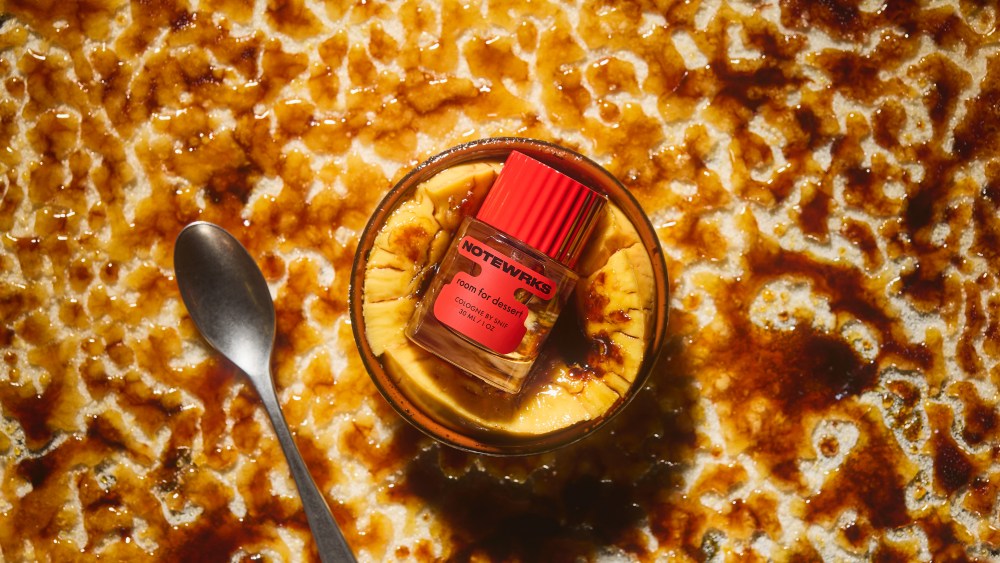
Collectibility enhances the charm of various beauty categories, especially fragrances. Brands are increasingly exploring how to make items more attractive and collectible, catering to a market that appreciates both aesthetics and nostalgia. For instance, emerging brands like Notewrks have taken cues from toys, creating fragrances with playful designs that tell compelling stories. This interconnectedness between beauty and playfulness is fostering a landscape where products become more than just items—they transform into emotional touchstones.
Ultimately, the future of beauty may be profoundly shaped by this playful paradigm. Bryan Edwards, cofounder of Snif, envisions 2026 as "the year of the toy" within the beauty sector. This playful approach encourages self-expression, allowing consumers to engage with beauty in a more meaningful and inclusive way. As brands continue to blur the lines between beauty and toys, expect to see a growing emphasis on color, design, and emotional resonance, turning everyday products into cherished companions in our lives.