

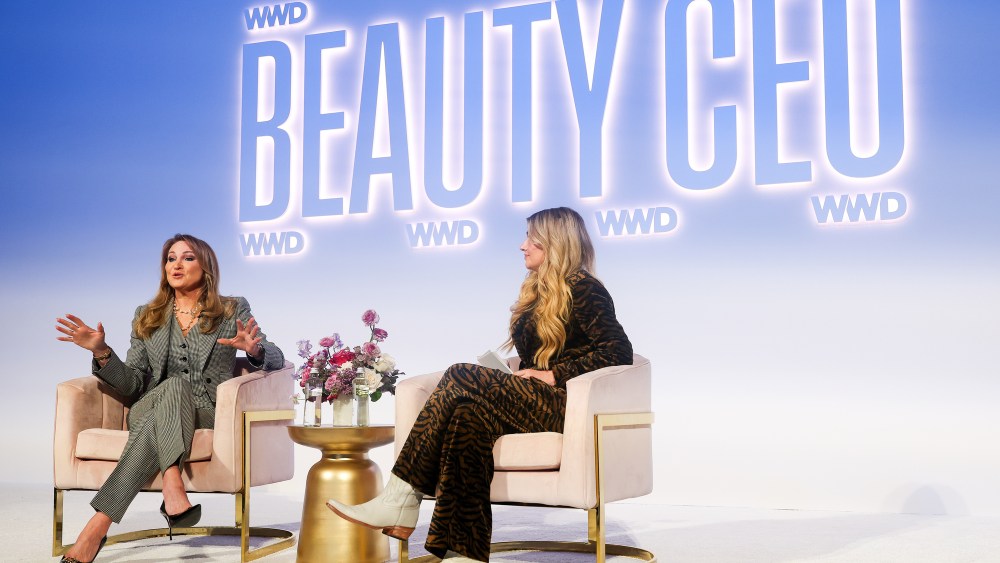
On Wednesday, WWD Beauty Inc. launched the 2025 Beauty CEO Summit at Casa Cipriani in New York City, under the inspiring theme “The New Leadership Mandate: The Issues, The Innovators, The Insights.” This event gathered industry frontrunners to explore the evolving landscape of beauty, focusing on innovation in products and retail, navigating a complex global market, and responding to cultural shifts. The day was packed with dynamic discussions led by notable leaders such as Kecia Steelman of Ulta Beauty, Stéphane de La Faverie from The Estée Lauder Companies, and Jaimee Lupton of Monday Haircare, among others.
One common thread among the speakers was the idea of leveraging core strengths, especially in challenging competitive environments. Kecia Steelman emphasized the importance of emotional connections through in-person experiences in stores. This approach not only stands out for Ulta Beauty but is also central to their strategic vision. In a world where beauty brands increasingly intertwine with cultural movements, Stéphane de La Faverie’s comments highlighted the industry’s resilience. He noted that beauty constantly adapts to cultural changes, reaffirming that staying in tune with societal trends is critical for long-term success.
Another significant theme discussed was the curation of product collections that resonate with customers’ lives. Cassandra Morales Thurswell, CEO of Kitsch, outlined the importance of providing meaningful additions to offerings while pointing out that a well-planned collection can create a seamless shopping experience. Similarly, the conversation about “dupes” revealed their unexpected benefits for consumer engagement and brand innovation; Larissa Jensen from Circana indicated that a staggering 68% of consumers see dupes as nearly equivalent in quality to their pricier counterparts, emphasizing a shift in consumer purchasing motivations.
As fast-paced cultural trends continue to shape the beauty landscape, the need for agility was underscored by Jaimee Lupton. She underscored the necessity of swift adaptation to remain relevant in the market. Alongside this urgency, Sara Blakely shared a refreshing perspective by advocating for “daydreaming” as a vital practice in nurturing innovative ideas, hinting that pauses for creativity can lead to groundbreaking developments. Within this realm of ideas, Dr. Julius Few stressed that the future of skincare must transition beyond traditional clinical studies, prioritizing peer-reviewed research to elevate industry standards.
Content creation and consumption were also highlighted as essential to brand visibility and engagement, particularly for Supergoop, which has quintupled its content output this year. Lisa Sequino, the CEO, noted that content never rests, reflecting the need for brands to maintain a constant connection with their audiences. Freddy Bharucha from Procter & Gamble added another layer to this discussion by focusing on the importance of anticipating consumer needs, emphasizing that brands should aim to explore possibilities that consumers may not yet recognize themselves.
Finally, the summit addressed the significance of maintaining a culture of authenticity and loyalty in a highly personalized market. Michelle Peluso of Revlon discussed the challenges of integrating new technologies while keeping culture at the forefront. She noted that cultivating a healthy internal culture is just as crucial as mastering technical advancements. The closing takeaway highlighted the need to place authenticity above mere transactions, emphasizing the importance of every customer interaction in building lasting relationships. These insights collectively paint a picture of a dynamic and evolving beauty industry, where innovation, culture, and emotional connection are key drivers of success.