

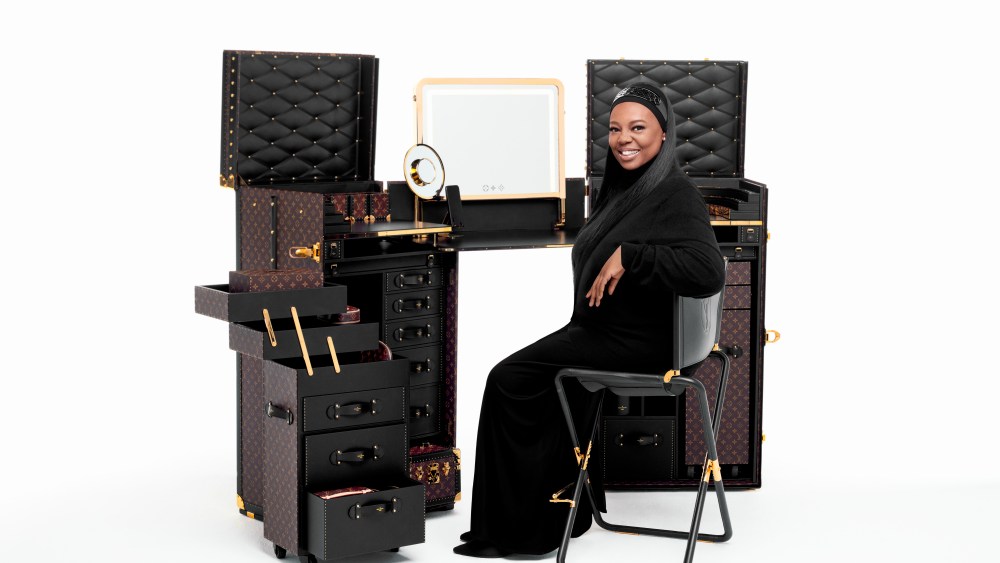
TikTok has become an influential platform for beauty brands, where diverse trends can emerge simultaneously. Recently, two notable names, the late hairstylist Umberto Giannini’s hair care line and Louis Vuitton’s upcoming makeup line, have garnered substantial attention and engagement on the platform. According to data from Spate, focusing on the year-over-year growth of organic TikTok videos featuring beauty brands, Louis Vuitton’s La Beauté ranks impressively high, while Giannini’s brand also stands out amongst the top ten. This duality illustrates how various brands can resonate with audiences in different ways, reflecting the dynamic nature of beauty marketing today.
Leading the charge in TikTok’s beauty buzz is Frilliance by Fiona Frills, a Gen Alpha-targeted brand launched by the influencer when she was just 13. With a staggering 38,167 percent increase in views year-over-year, Frilliance showcases products like cream blushes and lip glosses—all priced under $20 and available at Walmart. The brand thrives not only on affordability but also on its connection with young audiences, particularly through platforms like Glow House, which creates collaborative content and engages teen communities. This alignment with youth culture exemplifies a strategy that leverages authenticity and relatability.
Glow House, with its 2.4 million TikTok followers, emulates the success of early pandemic content houses such as Hype House. Launched recently, it consists of over ten teen girls creating diverse lifestyle and beauty content. Their innovative approach highlights how communities can form around shared interests, creating a fertile ground for brands like Frilliance, which appeal directly to Gen Alpha’s beauty aspirations. This emphasis on authentic storytelling allows brands to build loyal followings, illustrating a significant shift in how beauty products are marketed and consumed.
The organic growth in views isn’t limited to brands targeting younger demographics; others like EcoLchi Pro are also reaping the benefits. With an impressive year-over-year growth of 8,421 percent, EcoLchi Pro effectively uses before-and-after videos showcasing its reparative hair mask, appealing to audiences looking for tangible results. Brands like Hair so Fab and D’Annam are similarly climbing the ranks, emphasizing the niche-market appeal with their unique products and cultural inspirations, such as fragrances that celebrate Asian heritage.
This success is indicative of a broader trend. Brands that connect with their consumers on an emotional level—by emphasizing authenticity, sensory experiences, or cultural significance—tend to see a surge in popularity. The skin care brand Sonsie, for instance, taps into the no-makeup-makeup trend associated with its celebrity founder, Pamela Anderson. This example further embodies how a personal touch can breathe life into a brand and its offerings, making the products feel more relatable and desired by consumers.
Recently released data shows the top ten beauty brands on TikTok, ranked by their organic year-over-year growth. Frilliance leads the way, followed by EcoLchi Pro and Louis Vuitton. Giannini’s brand holds a respectable ninth place, demonstrating that even well-established brands can innovate and re-engage with their audience on platforms like TikTok. The evolving landscape of beauty marketing reflects a growing emphasis on authentic connections, cultural relevance, and creativity, ultimately reshaping how beauty brands engage with consumers in today’s digital age.