

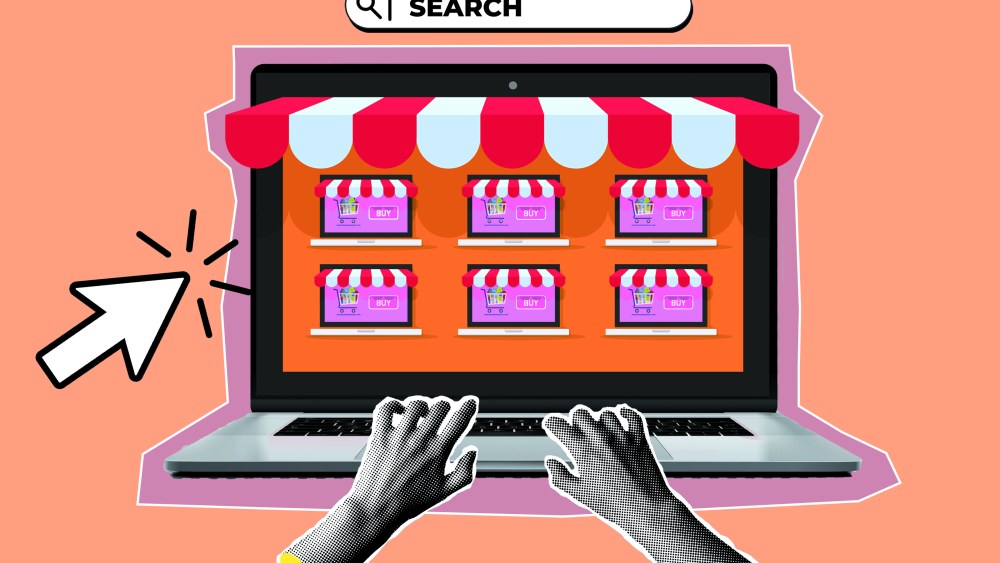
The Resurgence of Marketplaces in Beauty Retail
In recent years, the beauty industry has witnessed a significant shift in its approach to retail, moving back into the realm of multivendor platforms after several failed attempts. The catalyst for this revival is largely attributed to Amazon’s successful foray into prestige beauty products and the emergence of TikTok Shop as a major contender in this competitive environment. This multivendor marketplace model allows third-party sellers to showcase their products on existing retail platforms, facilitating both brand discovery and sales. With the backdrop of tightening consumer budgets and economic uncertainty, marketplaces have re-emerged as a viable strategy for retailers looking to boost revenue.
Retailers are observing Amazon’s success and are eager to emulate it. Taylor Hamilton, CEO of Recom—a tech-enabled e-commerce accelerator—highlights this trend, explaining that many brands aim to replicate Amazon’s successful strategies in their own marketplace ventures. This sentiment is echoed by industry leaders who recognize that marketplaces not only drive sales but also provide a relatively straightforward approach to expanding product offerings. As consumers are becoming more discerning and careful with their spending, the ability to provide a diverse range of products can be crucial for attracting and retaining customers.
An exciting example of this marketplace renaissance is Ulta Beauty’s plan to launch an invite-only marketplace, focusing on beauty brands that promote wellness. CEO Kecia Steelman emphasized the importance of extending their brand reach, highlighting that unexpected bestsellers in this new space could eventually make their way into Ulta’s core product lineup. Similarly, Walmart has taken significant strides in the beauty segment by adding premium brands to its marketplace, with over 2,500 items now available. According to Walmart beauty vice president Vinima Shekhar, this expansion has led to remarkable growth for brands, indicating that the strategy is already paying off.
Target is also stepping into the marketplace arena, with ambitious plans to transform its invitation-only Target Plus marketplace into a $5 billion business within five years. The retailer has experienced robust growth in essentials and beauty, demonstrating that there is a substantial market for quality products. Wendy Liebmann from WSL Strategic Retail points to Walmart’s extensive SKU offerings as a key factor driving traffic, particularly from higher-income shoppers. With so many options available, creating a broad product assortment clearly resonates with consumers.
Despite optimistic projections, not every retailer has successfully navigated the marketplace model. Some, like British retailer Boots, have faced challenges that hinder their marketplace launches, while others, such as Farfetch, have exited the beauty marketplace entirely in less than a year. As Hamilton points out, the marketplace landscape is incredibly volatile. The ease with which consumers can switch retailers adds pressure on brands to establish a clear value proposition.
To thrive in this competitive environment, analysts like Emily Pfeiffer from Forrester Research emphasize that successful marketplaces hinge on three primary factors: pricing, trust, and product assortment.Consumers gravitate toward retailers they recognize, trust, and have had positive shopping experiences with. Therefore, a predictable and reliable customer experience, including a seamless checkout process and data protection, is essential in fostering loyalty. Additionally, offering a unique and comprehensive assortment helps retailers stand out in a crowded market, especially when competing against giants like Amazon. Ultimately, the battle for consumer loyalty will determine the future success of beauty marketplaces, as customers often remain steadfast to their preferred retailers despite the multitude of options available online.