





The beauty industry is on the brink of a significant transformation, according to The Future Laboratory’s latest report, “The Great Beauty Blur.” This report, which focuses on the future landscape of beauty, health, and wellness from 2026 onward, highlights how a stagnant market plagued by repetitive trends is now yearning for fresh perspectives. Olivia Houghton, the insights director and beauty lead at The Future Laboratory, emphasizes the urgency for brands and cultural leaders to recognize and challenge the existing narratives that shape society’s approach to beauty. With the rise of digital technologies and social media, beauty ideals have become politicized and restrictive, and it’s imperative that new approaches emerge.
The report points to years of uniformity exacerbated by social media and digital tools as contributing factors to a homogenized standard of beauty. As brands focus on replicating the formulas that work for successful products, innovation has taken a backseat. Houghton notes that while genuine innovations account for only about 10% of annual beauty sales, they are vital for driving growth in the industry. Unfortunately, the harsh reality is that most new beauty brands struggle to survive long-term, complicating the prospects for continual fresh ideas in the market. This stagnation has created an urgent need for new trends that break away from the status quo.
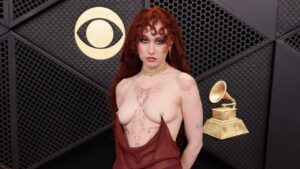
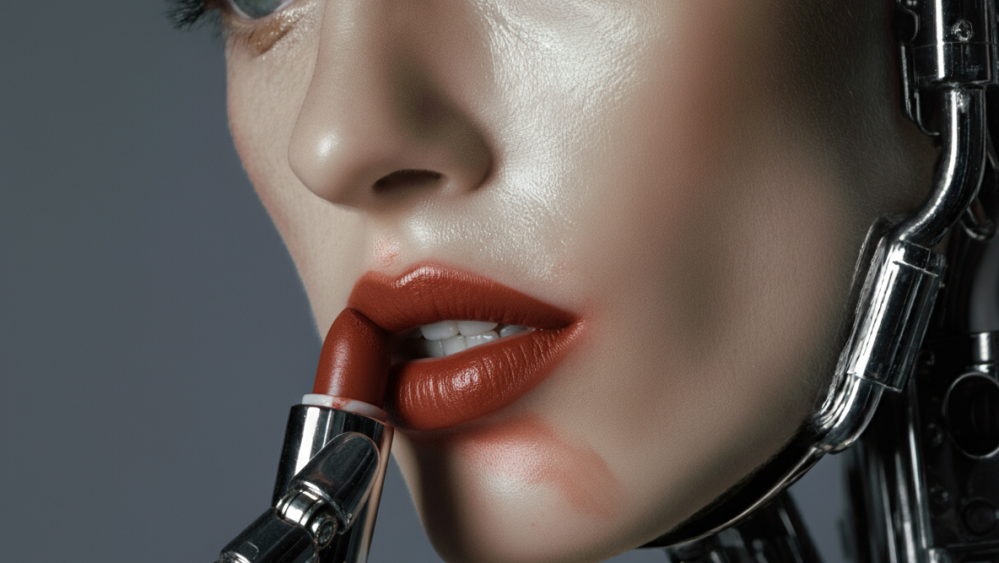
To counteract the threat of sameness, the report identifies rising movements that encourage individuality and creativity. One notable trend is the “anti-fluency aesthetic,” which embraces bold choices and avant-garde looks that defy conventional standards. Trend examples include visually arresting concepts like “Beetlejuice lips,” which feature a striking mix of neon and black pigments, and the glass skin look popularized by makeup artist Pat McGrath. These innovations challenge traditional beauty norms and encourage self-expression through radical and eye-catching artistry.
The report also forecasts a shift towards embracing ambiguity in beauty trends, allowing consumers to define and interpret ideas for themselves rather than adhering to rigid standards. This approach encourages artistic expression, exemplified by projects such as Aesop’s collaboration with artist Jack Coulter, which translates scent into visual art. Furthermore, the resurgence of local rituals and cultural heritage will become more prominent, driven by community-led movements on platforms like TikTok that celebrate individual scents and traditions. This layering of approaches—dubbed “stackable beauty”—invites a more personal and multifaceted connection to beauty.
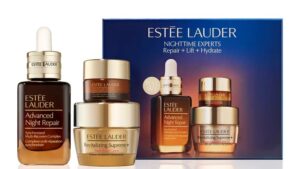
In tandem with these shifts, there is a growing emphasis on sensory experiences in beauty product innovations, moving away from a purely digital focus. Houghton clarifies that this does not equate to a rejection of technology, but rather an integration of human experience with digital advances. For instance, Estée Lauder has partnered with Exuud to devise a “smart fragrance delivery system,” combining technology and scent in a manner that mirrors nature’s own processes. These innovations are crucial, as they forge deeper connections between consumers and products.
Ultimately, The Future Laboratory’s report implores brands to move beyond predictability, which it argues leads to a lack of power and influence in the market. By embracing layered experiences and cultural narratives, beauty brands can inhabit a space that inspires thought, introspection, and a reshaping of how individuals view themselves in relation to beauty. The push for disruption within the industry is vital not only for its immediate future but also for the profound impact it will have on societal perceptions of beauty norms. In this evolving landscape, authenticity and innovation can reclaim the core essence of beauty, breathing new life into a realm ready to embrace change.


