








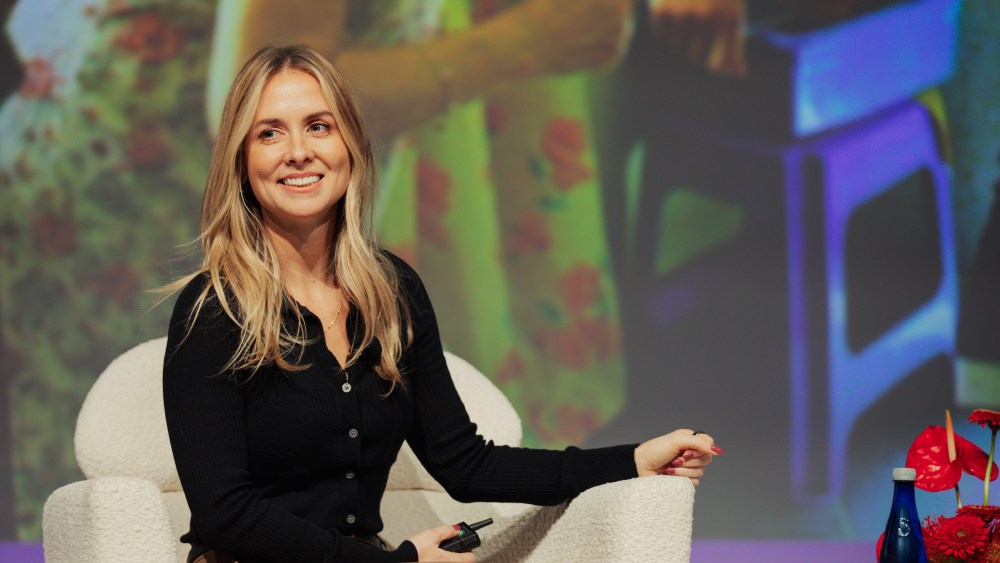
Competition in the beauty industry has ramped up like never before, and Spotify is positioning itself as a key player in this landscape. Bridget Evans, Spotify’s global head of business marketing, recently shared insights about the evolving dynamics of fandom and community engagement during a discussion with Jenny B. Fine, Beauty Inc editor and WWD’s executive editor for beauty. Evans emphasized that while fandom isn’t a new concept, it has become an influential aspect of modern culture. She explained that fandom goes beyond community; it’s about the deep interactions fans have with their favorite artists, podcasters, and creators. In her view, Spotify operates “by fans, for fans,” capturing the essence of a more engaged audience.
The notion of fandom represents a significant cultural shift, particularly for Gen Z, who are turning away from the anxiety and fatigue often associated with algorithm-driven content consumption. Instead of participating in what’s termed “doom scrolling,” which often leads to mindless engagement, Gen Z is gravitating towards positive connections and shared experiences. Evans noted that fandom can manifest through various offline activities, like attending concerts or live podcasts, reinforcing the idea that fans seek meaningful interactions rather than passive consumption.
Gen Z is chronicling pivotal life moments through personalized playlists, such as those reflecting first experiences—their first car, kiss, or day at college. According to Evans, Gen Z has created over 86 million minutes of playlists that include the word “first,” highlighting how they document their lives while also forming brand preferences along the way. This sharing of experiences is not merely for personal satisfaction; it’s a form of self-expression. Gen Z listeners often share newly dropped albums with friends, marking a substantial 300 percent increase in these interactions since 2025.
Brands aiming to engage this dynamic audience must navigate the landscape carefully, leveraging the natural behaviors of Gen Z. Evans cited the collaboration between Coca-Cola and Oreo as a compelling example of how brands can intrigue this demographic. By tapping into the trend of Gen Z creating playlists for their best friends, the brands devised an interactive Spotify takeover site that encouraged fans to answer questions about their friendships, tying in personalized playlists crafted for their “besties.” Such strategies align brands with ongoing conversations rather than simply promoting their messages through traditional advertising methods.
Spotify’s video consumption has surged, marking a 50 percent year-over-year growth, largely driven by the Gen Z demographic, especially concerning podcasts. With listeners averaging 50 minutes of watch time daily, podcasts are increasingly becoming the primary source for news and entertainment. This transition has been pivotal, demonstrating how habits are shifting from conventional television to podcasts, even for beauty and wellness content. The platform’s ability to tailor personalized experiences has helped retain users and deepen the listening experience, making content more relatable and engaging.
Finally, Evans pointed out that podcast listening peaks on Monday mornings, attracting a predominantly female audience of 61 percent. This trend underscores the growing importance of beauty and wellness podcasts that appeal across various demographics. Shows like “Skinny Confidential” and “Huberman Lab” are examples of rapidly growing categories within Spotify’s vast podcast library. The advancements in personalization not only enrich listeners’ experiences but also provide valuable opportunities for brands looking to connect meaningfully with consumers in this competitive space.


