

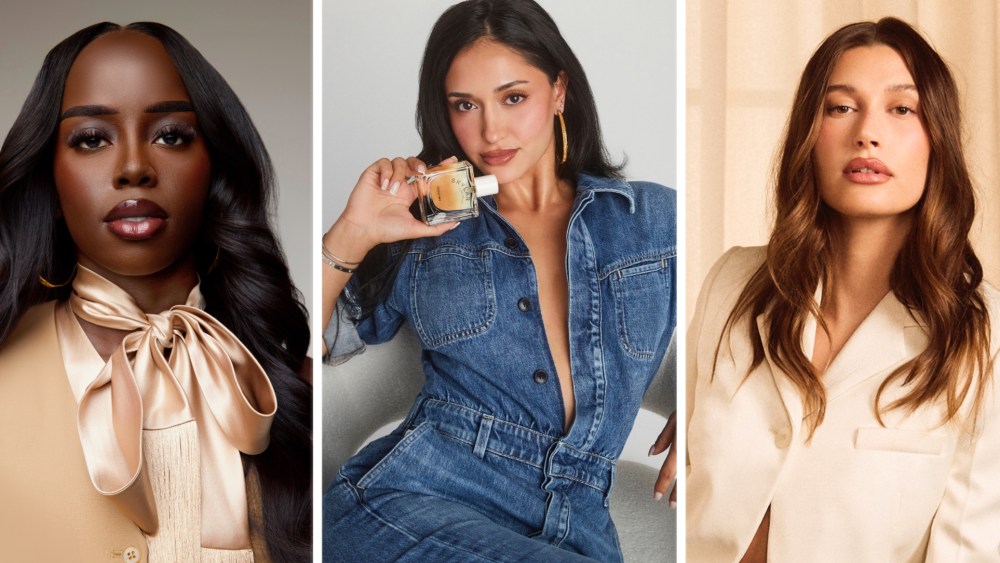
The beauty industry is undergoing a massive transformation, driven by a dynamic wave of young entrepreneurs and creators making their mark. Among the biggest headlines is E.l.f. Cosmetics’ $1 billion acquisition of Hailey Bieber’s Rhode. This acquisition highlights the cultural shift toward youthful exuberance in the beauty sector, where founders as young as 15, like Salish Matter, significantly impact the market. Matter, with over 4.5 million Instagram followers, is just one example of how younger generations are not only influencing trends but are also establishing their brands, such as her skincare line launched at Sephora.
The viral nature of beauty products today owes much to the power of social media. Influencers like Alix Earle, who has garnered millions of followers, create phenomena such as the “Alix Earle effect,” where products sell out almost instantly after a simple post. Many brands are cleverly leveraging this influence—content creators like Golloria George are being enlisted for feedback on product development, showcasing a collaborative approach between brands and the very consumers they aim to attract. This synergy is creating a landscape where young voices are shaping the industry’s future, as seen with fresh trends emerging from platforms like TikTok, as popularized by Lili Reinhart and Aaliyah Arnold.
Aaliyah Arnold epitomizes the youthful entrepreneurial spirit, having started her journey by selling accessories at just 9 years old. Now at 21, her company, BossUp Cosmetics, boasts a wide array of products that have thrived on platforms like TikTok. In a similar vein, Aliett Buttelman of Fazit Beauty gained notoriety after Taylor Swift donned her brand’s glitter freckles, which led to a staggering sales increase. Fostering this blend of creativity and market acumen is crucial in establishing a foot in the highly competitive beauty arena.
Chemical innovation and societal awareness also mark this current generation of beauty entrepreneurs. For instance, Amanda Calabrese and Greta Meyer at Sequel have reinvented tampon designs to better serve athletes, achieving partnerships with various sports organizations. Meanwhile, Olamide Olowe has made waves with Topicals, a skincare line specialized in creating products safe for sensitive skin, gaining recognition for her commitment to scientific rigor in beauty. Like Olowe, Nadya Okamoto launched August, a sustainable period care brand that deconstructs stigma surrounding menstruation. These initiatives demonstrate a focused mission on inclusivity and remedying gaps within the beauty industry, which resonates deeply with consumers today.
In addition to the brands reshaping traditional beauty, recognizable figures such as Bella Hadid and Millie Bobby Brown are stepping into entrepreneurship. Hadid’s ‘Ôrebella and Kin Euphorics emphasize clean beauty and wellness, while Brown’s Florence by Mills aims directly at Gen Z with its relatable branding. Their ventures serve as platforms to redefine not just products but also the values that the beauty industry espouses. Such efforts highlight the increasing importance of ethical considerations, clean ingredients, and personal narratives connecting with wider consumer interests.
As the industry evolves, it is clear that the voices shaping today’s beauty culture are not only youthful but are also diverse in their approaches and missions. Whether it’s through TikTok tutorials, innovative skincare brands, or socially conscious product lines, this wave of young founders is setting the stage for what beauty means in the modern world. They are not just trendsetters; they are pioneers carving out a space for a more inclusive and innovative future in beauty that resonates deeply with consumers across demographic lines. This youthquake isn’t just a moment—it’s a movement reshaping the very essence of beauty and self-expression.