







A Deep Dive into the Beauty Industry’s Social Media Performance
As we reflect on the beauty industry’s performance during the first quarter of 2025, the numbers are illuminating. The findings from CreatorIQ, which assesses earned media value (EMV) to quantify the engagement generated by influencer content, reveal that the landscape is evolving. Despite a long history of makeup brands leading the charge, emerging trends indicate notable shifts, particularly among fragrance brands, which have surged in popularity. Makeup continues to dominate, but skin care and fragrances are now capturing a significant share of the spotlight.
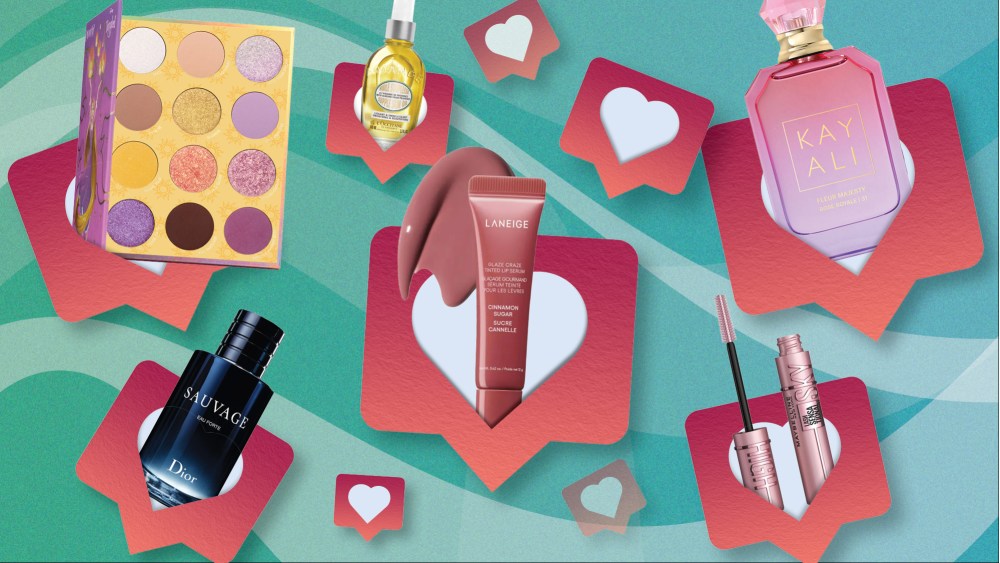
Fragrance brands, in particular, are experiencing remarkable growth. For instance, Kayali, a perfume line created by Mona Kattan, reported an impressive $26.6 million in EMV, a staggering increase of 108% from the previous year. This rise is especially noteworthy considering that Kattan recently acquired Kayali from Huda Beauty, indicating a fresh direction for the brand. Phlur follows closely behind with a 198% growth, while Ellis Brooklyn takes the lead with the highest percentage increase of 270%. This shift underscores a growing consumer interest in unique fragrances and the influence of social media in shaping brand perception.
In the realm of makeup, Huda Kattan’s cosmetics line remains a frontrunner, registering a solid 43% growth. Following her lead is Selena Gomez’s Rare Beauty, which continues to resonate with consumers. Interestingly, the skin care segment is also showing promising metrics. Hailey Bieber’s brand, Rhode, topped the category with a monumental EMV of $101.7 million, showcasing not only strong sales but also the powerful impact of celebrity endorsements. Rhode outpaced Summer Fridays by nearly $40 million, establishing a clear leadership position.
Analyzing the top brands across fragrance, skin care, and makeup provides further insight into consumer preferences. In the fragrance arena, Kayali, Phlur, and YSL Beauty claimed the top three spots, with all revealing robust growth rates. In skin care, Rhode leads the market, while notable brands like Summer Fridays saw declines. This observation prompts discussions about consumer fatigue with certain products and the need for brands to continuously innovate and refresh their offerings to maintain relevance.
Moving to the makeup category, Huda Beauty, Rare Beauty, and ColourPop each displayed substantial EMV figures, signifying the power of influencer marketing in driving brand awareness. The success of Huda Beauty and Rare Beauty crystallizes the impact of celebrity-driven narratives in the beauty space. The variety in growth rates among other brands, like MAC Cosmetics and Charlotte Tilbury, suggests that even established names must adapt to changing consumer preferences or risk losing ground.
In conclusion, the first quarter of 2025 has unveiled a dynamic beauty landscape, characterized by evolving consumer interests. The rise of fragrance brands, the enduring appeal of makeup, and the strength of skin care reflect broader shifts in beauty consumption. As brands navigate these transformations, understanding the role of social media in shaping consumer perceptions will be vital. The data from CreatorIQ not only showcases current trends but also highlights the opportunities for brands willing to innovate and connect authentically with their audiences.


