








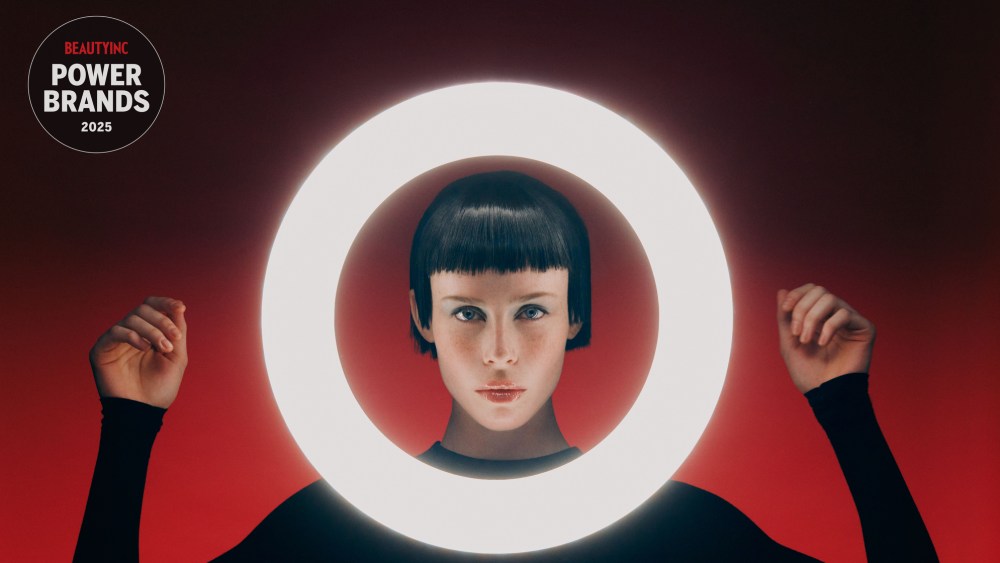
The Beauty Industry Powerhouses of 2025
The beauty industry is a dynamic landscape, continually evolving with new brands and trends. In 2025, several brands have established themselves as powerhouses, each bringing unique offerings and innovative marketing strategies to capture consumer attention. Among these are Amika, CeraVe, and Dior, each of which has strategically positioned itself in the marketplace through savvy product launches and social media engagement.
Amika has emerged as a favorite among Gen Z and Gen Alpha consumers, capturing market share not only in the U.S. but also internationally. The brand’s whimsical branding and vibrant packaging have resonated well with younger audiences, leading it to become the top mask brand and the second-largest shampoo brand in the U.S. Recent partnerships, such as a hair mist collaboration with fragrance house Ellis Brooklyn, have proven successful, with products selling out rapidly. Amika’s growth trajectory signifies a keen understanding of marketing and consumer behavior in an increasingly competitive hair care space.
CeraVe has also experienced substantial growth post-pandemic, bolstered by its science-backed formulations and strategic use of celebrity endorsements. The brand has transformed into the second-largest skin care brand in the U.S., thanks in part to viral trends on platforms like TikTok. CeraVe’s expansion into hair care and collaboration campaigns featuring influencers such as Anthony Davis and Charli D’Amelio have generated immense media coverage, placing it firmly among the leading beauty brands globally. Such efforts indicate that CeraVe’s approach is shaping a rounder beauty narrative that embraces diverse consumer bases.
Dior continues to symbolize luxury in the fragrance sector, dominating global sales with iconic scents like Dior Sauvage and Miss Dior. The brand has not only retained its appeal through glamorous marketing and high-profile store launches but also focused on expanding its retail footprint in key markets like New York and Miami. With engaging promotional campaigns and a well-curated brand image, Dior remains at the forefront of the luxury fragrance market, illustrating the potency of brand heritage combined with contemporary marketing techniques.
As we explore newer entrants to the beauty landscape, brands like Bubble Skincare and Charlotte Tilbury have made waves. Bubble Skin care’s focus on accessibility and community building has propelled rapid revenue growth, while Charlotte Tilbury enjoys its status as a legacy brand with innovative expansions in both makeup and skin care. Through witty social media campaigns addressing competitors, Charlotte Tilbury not only reinforces its brand identity but also captures the interest of a younger audience — a sign of agility within the brand’s traditional roots.
Native has carved out a niche within deodorant and body care, showing substantial growth in its ten years on the market. With playful marketing, popular collaborations, and ongoing expansion into hair care, Native has positioned itself as a leader in both sustainability and skincare innovation. The brand’s unique scent releases and community-driven expansions highlight the importance of authenticity in today’s market, resonating well with environmentally conscious consumers seeking both effectiveness and ethics in their beauty choices.
Finally, brands enter the emergent stage exemplify disruptive potential. Rare Beauty, Dr. Squatch, and Kayali showcase how influencer-backed narratives and niche targeting can rapidly build brand loyalty and consumer interest. Rare Beauty’s quick ascension in the beauty space illustrates how connecting authentic personal stories with effective products can transform a brand’s trajectory. Similarly, Dr. Squatch’s humorous and relatable marketing has positioned it as a leading name in men’s personal care, resonating particularly on social media platforms. Meanwhile, Kayali’s focus on innovative fragrance offerings demonstrates the evolving nature of consumer desires in the niche fragrance market, with storytelling and sensory experiences at its core.
In conclusion, what stands out in the current beauty industry landscape is the successful interplay between traditional marketing wisdom and innovative, modern strategies that reflect consumer interests. The brands rising to power are those that effectively blend creativity and analytical insight to meet the ever-changing demands of today’s beauty consumers. The future of beauty promises further disruption and innovation as established names and emerging contenders alike strive to redefine beauty standards and practices for an increasingly diverse demographic.


