







In the vibrant beauty landscape of France, L’Oréal Paris has established itself as the reigning champion, leading the market with an unparalleled vitality score in the realm of influencer marketing. According to recent data from Traackr, L’Oréal Paris boasts a brand vitality score (VIT) of 42,793, which is nearly double that of its closest competitor, NYX Professional Makeup. This impressive score reflects not just the brand’s extensive reach but also its engagement and the trust it commands among consumers. In May alone, L’Oréal Paris collaborated with 1,122 influencers, leveraging their platforms to amplify its presence, while NYX activated only 654 influencers. This striking difference underscores L’Oréal’s strategy of building robust relationships with social media influencers to drive its brand forward.
When comparing influencer marketing strategies across different markets, France stands out for its more conservative approach. While it may appear less reliant on influencers compared to regions like the U.S. and the U.K., the sustained investment in creator relationships has created a foundation for success among the giants of the French beauty market. For instance, in the U.S., Sephora dominates with 156,978 VIT and an impressive roster of 7,397 influencers. Meanwhile, in the U.K., L’Oréal Paris remains a key player, though it manages a larger pool of 2,723 influencers yielding a VIT of 44,249. This disparity illustrates how different markets require tailored strategies, even as core tactics of influencer collaboration remain vital.
Analyzing the top brands making waves in France not only highlights L’Oréal Paris but also brings attention to other notable contenders in the beauty industry. In May, brands like Dessange, a high-end salon haircare line founded by the esteemed hairstylist Jacques Dessange, and Garnier Fructis, another brand under the L’Oréal umbrella, showcased their strength in influencer engagement. Dessange ranked third in the VIT standings with a score of 21,821 and 276 influencers, while Garnier Fructis followed close behind. Erborian, a French-Korean brand recognized for its innovative makeup products, also secured a prominent position, settling in the ninth spot with a VIT of 11,774 and a smaller yet impactful group of 193 influencers.
The numbers tell a compelling story as we look at the entire landscape of beauty brands in France. L’Oréal Paris sets the pace with its robust engagement metrics, averaging about 2.1 mentions per influencer. NYX Professional Makeup, while trailing in overall score, leverages its influencers effectively, achieving 2.7 mentions per influencer. This dynamic showcases a nuanced understanding of audience engagement; brands that successfully foster deeper connections with their influencer partners often see greater returns on their marketing investments. The average influencer in France mentions their associated brand roughly twice a month, illustrating a consistent and ongoing dialogue between brands and consumers.
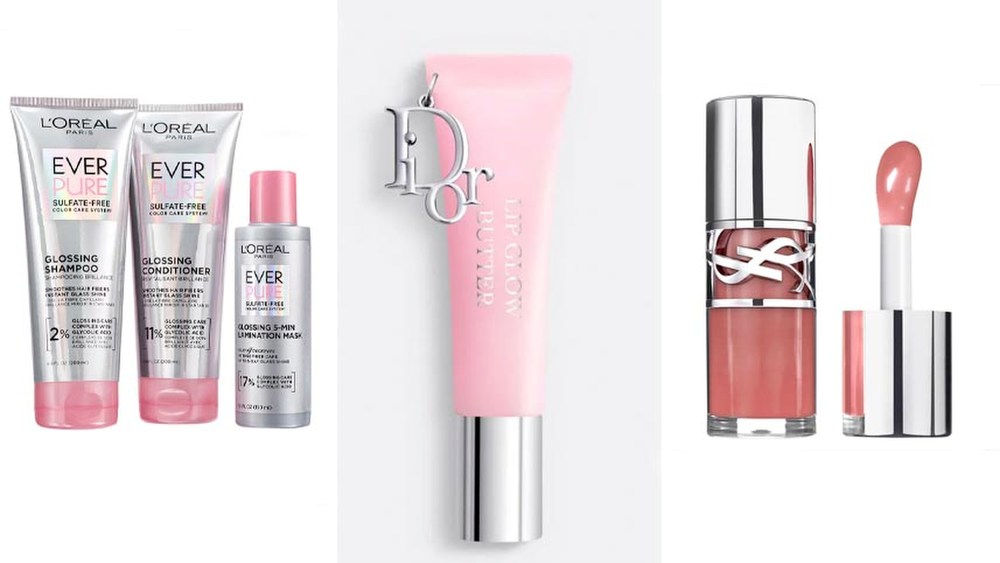
The remaining beauty brands in the top ten also reflect a mix of heritage and innovation. Iconic names like Dior, YSL Beauty, and Maybelline New York resonate with consumers, each maintaining a solid VIT score complemented by a diverse influencer base. For instance, Dior, with a VIT score of 14,539, has found success through collaborations with 747 influencers, emphasizing the essential role of social engagement in holding consumer interest. Meanwhile, YSL Beauty and Charlotte Tilbury, both prominent luxury brands, effectively engage their respective audiences with scores of 13,242 and 10,588, respectively, further demonstrating the competitive nature of the French beauty arena.
As the beauty industry evolves, brands continue to adapt their strategies to blueprints that resonate with consumers. The French market’s success stories emphasize the importance of effective influencer partnerships, engaging storytelling, and authentic dialogue. Leaders like L’Oréal Paris, along with their competitors, embody the discourse between brand vitality and consumer connection in the ever-changing world of beauty. With strong performances across various platforms, the future holds even greater potential, as brands strive to innovate and push boundaries to connect meaningfully with their consumers. The essence of beauty marketing lies not only in the products themselves but also in how those products are shared, experienced, and celebrated among communities, both online and offline.


