

The recent Black Friday sale on TikTok Shop showcased a remarkable surge in beauty product sales, surpassing $109 million—a testament to the platform’s growing influence in the beauty industry. This figure represents more than 20% of the overall $500 million sales recorded during the four-day promotional event, marking an impressive increase of over 50% from 2022’s figures, which sat just above $70 million for the same period. The data highlights how social media is reshaping shopping behaviors, particularly in the beauty sector, where younger consumers are increasingly turning to platforms like TikTok for inspiration and purchasing decisions.
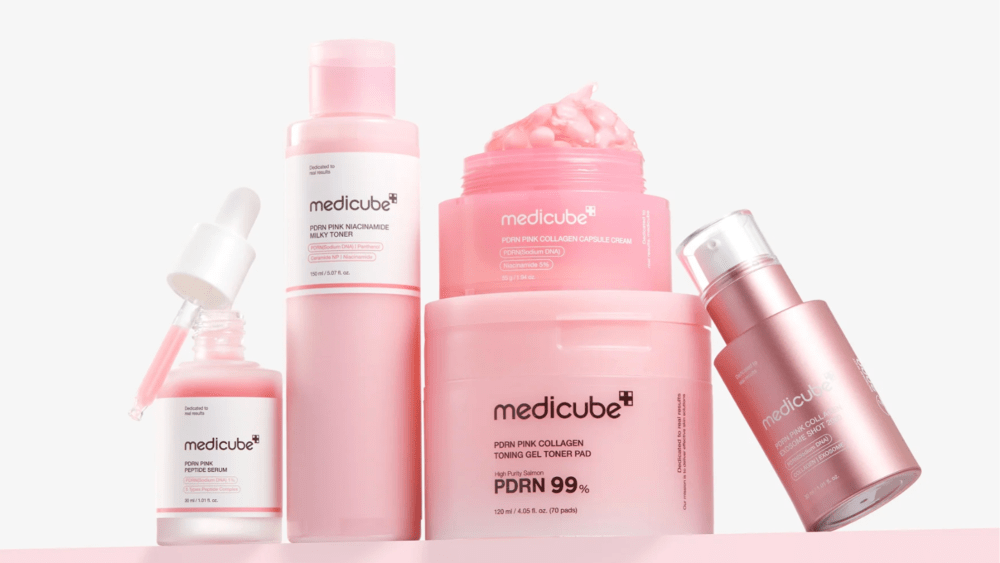
Leading the charge during the TikTok Shop sales was Medicube, a K-beauty brand renowned for its innovative skin care products. Medicube raked in approximately $6.8 million, thanks in large part to its popular Glass Glow Skin Care Set, which offers eight essential products priced under $100. This collection, containing beloved items like toner pads and jelly creams, was particularly sought after, establishing Medicube not just as a frontrunner but as a brand that effectively capitalized on TikTok’s unique shopping features. The achievement is even more remarkable considering Medicube also represented a significant share of beauty sales on Amazon, showcasing its broad appeal across multiple e-commerce platforms.
In addition to Medicube’s success, other K-beauty brands also found traction during this sales event. Dr. Melaxin and Skin1004, both of which have roots in TikTok’s viral beauty trends and have secured partnerships with major retailer Ulta Beauty, made substantial sales—netting $3.1 million and $1.2 million, respectively. This trend highlights how TikTok has become a launchpad for brands seeking to establish themselves in the saturated beauty market, further emphasizing the platform’s impact on consumer behavior and brand visibility in a competitive landscape.
Tarte Cosmetics, a long-standing player on TikTok, also performed well, generating around $2 million in sales. The brand leveraged its own storefront as well as partnering with QVC’s TikTok Shop, demonstrating a dual strategy that seems to pay off. QVC itself has embraced social commerce, hosting continuous live shopping streams that engage audiences in real time, contributing significantly to its status as a top seller on the platform. The diverse sales strategies adopted by these brands illustrate the evolving nature of marketing and consumer interaction in the digital age.
Notably, the sales event also spotlighted groundbreaking success for Black women-founded brands, which are carving out a niche in the beauty market. Bask & Lather Co., a hair care line launched by Shaina Rainford, generated sales of $1.4 million, while Canvas Beauty, founded by Stormi Steele, reached $1.1 million. These brands not only reflect the growing diversity within the beauty industry but also demonstrate the power of community and representation in connecting with consumers who seek authenticity and relatability in the brands they support.
As the data illustrates, TikTok Shop has rapidly become a focal point for beauty brand promotions, driving significant sales while fostering new avenues for brand growth. The success of brands like Medicube and others serves as a powerful reminder of how social media is reshaping traditional retail paradigms. The blend of entertainment and shopping on platforms like TikTok is redefining customer engagement, proving to be a vital catalyst for both well-established and emerging beauty brands looking to thrive in today’s competitive market.