







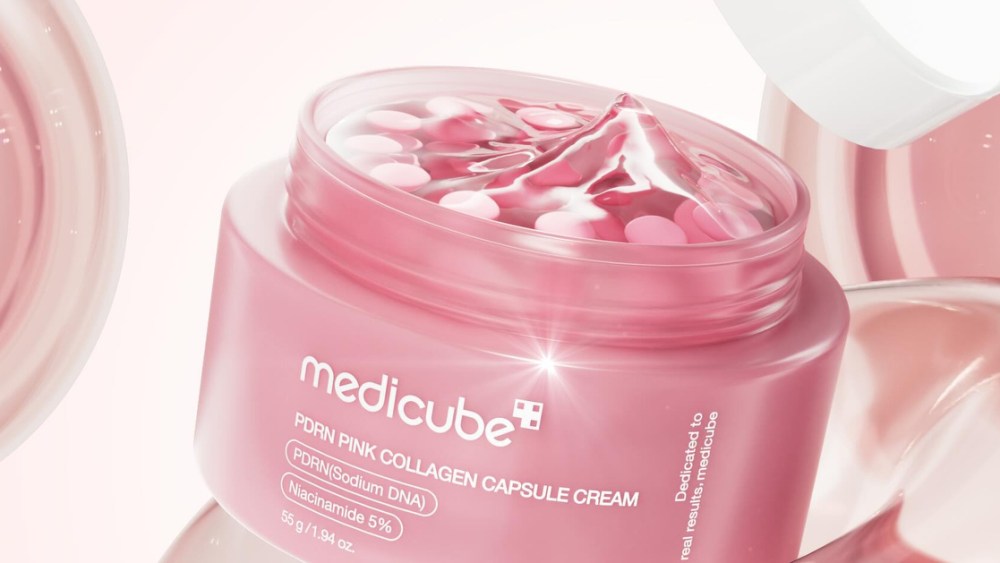
In the bustling world of online shopping, Amazon recently concluded its “Black November” sales event, which ran from November 20 to December 1. This promotional campaign showcased a range of beauty products, with K-beauty brand Medicube emerging as the standout winner. According to data from Navigo Marketing, Medicube captured an impressive 16.4% of the overall beauty sales during this period, significantly outpacing its closest competitor, CeraVe, by a substantial 11-point margin. Medicube’s popularity can be attributed to its innovative and sensorial products, such as the Collagen Jelly Cream and the Salmon DNA PDRN Pink Peptide Serum, which have gained a loyal following among beauty enthusiasts.
Interestingly, this year’s Black Friday discounts on Amazon were often steeper than those offered by other retailers, providing consumers with compelling reasons to shop through the platform. According to reports from NIQ, Amazon has now become the largest beauty retailer in the U.S., a noteworthy achievement considering the competitive nature of the market. Shoppers found that prices for popular products on Amazon often undercut those at competing stores, making it an attractive shopping destination for deals on beauty items.
Take, for instance, Medicube’s Collagen Jelly Cream, which retailed for $11.64 on Amazon compared to a higher price of $17.60 at Ulta. Similarly, Nutrafol’s renowned women’s hair growth supplements were priced at around $70 on Amazon, aligning with Ulta’s pricing but considerably lower than Sephora’s price of $88, where discounts were limited to select items only. Such stark price differences gave Amazon a significant edge during the shopping event, enticing consumers to complete their beauty purchases online rather than in-store.
Behind Medicube, CeraVe ranked second in terms of beauty sales, capturing approximately 5% of the total share, while Sol de Janeiro, holding the third position, had a notable share of 4.7%. Interestingly, during Black November, Sol de Janeiro offered comparable pricing on its signature hair and body perfume mists across both Amazon and Sephora, providing shoppers with attractive discounts of roughly 25%, or $19.50 for the standard 3-ounce size. This strategy helped the brand maintain a competitive presence in the beauty market.
Overall, the top ten beauty brands during this sales event collectively accounted for nearly 50% of Amazon’s total beauty sales, with skincare products dominating the sales figures. The rest of the leading contenders included brands like Biodance, Eos, and Laura Geller, each carving out a notable niche in the beauty landscape. The data from Navigo Marketing illustrates how the top performers varied in sales shares, with Medicube leading the pack and setting itself apart through its innovative products.
This year’s Black November not only highlights the growth and prominence of online shopping but also sheds light on changing consumer preferences toward specific beauty brands. As brands continuously innovate and offer competitive pricing, consumers are presented with more choices than ever, reshaping the retail landscape. With Medicube at the forefront this year, it appears that K-beauty products are gaining traction in the U.S. beauty market, signifying a trend towards unique skincare solutions embraced by a diverse consumer base.


