

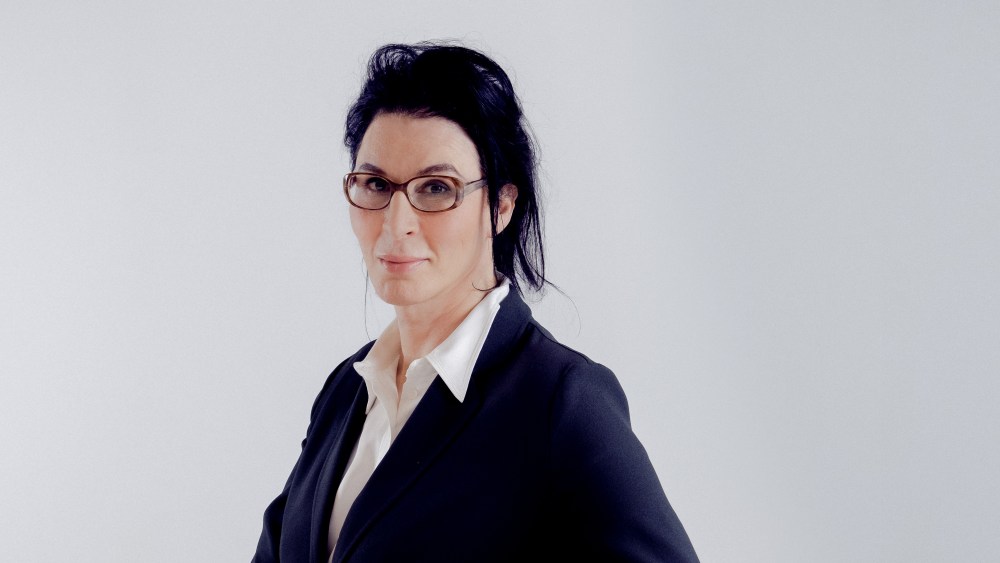
Sue Nabi is stepping down as the chief executive officer of Coty, a global beauty company, marking a significant transition for the organization. She will be succeeded on an interim basis by Markus Strobel, who also takes on the role of executive chairman of the board. This change comes during challenging times for Coty, as they face key shifts in leadership and impending market challenges.
Markus Strobel brings extensive experience to this role, having spent 33 years at Procter & Gamble, where he most recently led their global skin and personal care business. Expressing enthusiasm for his new position, Strobel stated, “I am delighted to join Coty at this important juncture,” highlighting his vision for accelerating growth and enhancing Coty’s presence in both prestige and mass beauty sectors. His background suggests he may provide the strategic direction needed to navigate Coty’s current hurdles.
The leadership change is overshadowed by the impending expiration of Coty’s coveted Gucci fragrance and beauty license in 2028. This particular brand has historically been a substantial contributor to the company’s financial performance, accounting for about 8% of its sales and a significant portion of its profits. The transition was announced last October as part of a broader deal involving Kering, Gucci’s parent company, and L’Oréal. The loss of this high-profile license adds pressure on the incoming leadership to innovate and adapt.
Adding to the complexities, Coty is also conducting a strategic review of its mass color cosmetics business, which generates $1.2 billion in revenue and includes well-known brands such as CoverGirl and Rimmel. Concurrently, they are evaluating their operations in Brazil, focusing on local brands that contribute $400 million in revenue. This review, spearheaded by Citi, aims to explore a range of alternatives, from potential divestitures to strategic partnerships, underlining the need for adaptive strategies in a shifting market landscape.
In a separate financial move, Coty sold its remaining 25.8% stake in hair care leader Wella to KKR for $750 million. This sale offers Coty an upfront cash influx and the possibility of additional returns from KKR in the future. The proceeds are expected to be directed toward reducing Coty’s debt, highlighting the company’s focus on financial health and restructuring amidst leadership changes and operational reassessments.
Nabi’s tenure as CEO has been notable; she was reportedly the highest-paid beauty executive in the U.S. in 2023, with a total compensation of $149.4 million. Her past experience at L’Oréal and her subsequent venture into launching Orveda have showcased her impressive expertise in the beauty sector. However, as she departs, the company now stands at a critical turning point, needing strong leadership to navigate its upcoming challenges effectively while capitalizing on market opportunities to sustain and possibly enhance its competitive stance.