








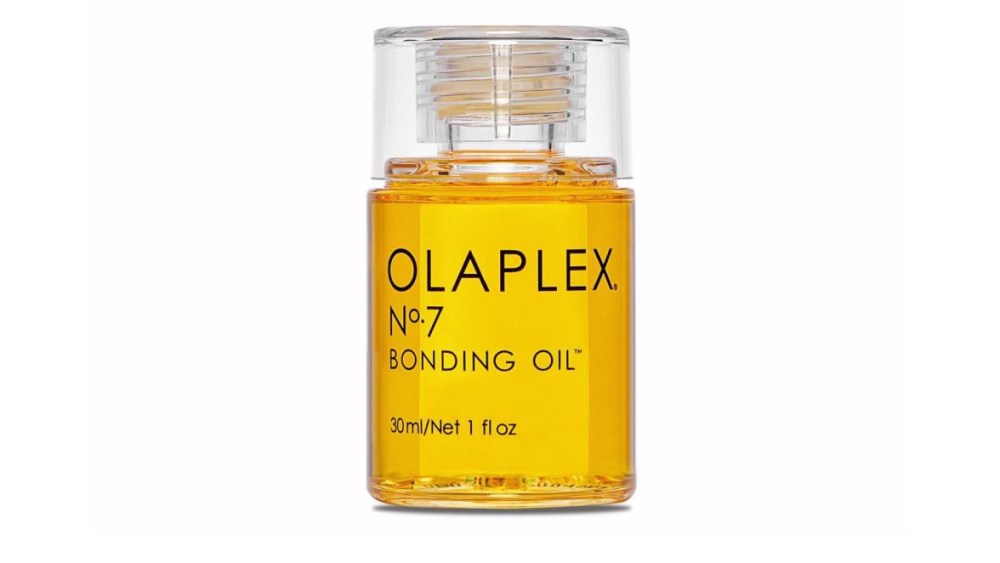
The financial community is buzzing with the recent news of Henkel AG’s proposed acquisition of the New York-based hair care brand Olaplex Holdings Inc. According to a Bloomberg report, Henkel, known for its diverse consumer goods portfolio, has made a takeover offer for Olaplex. This interest is particularly relevant given Olaplex’s troubling performance in the market, where its stock has plummeted more than 90% since going public in September 2021. Recently, however, speculation surrounding the acquisition has caused Olaplex’s stock to surge, closing up 22.2% following the report.
As market sentiment shifts, the details surrounding Olaplex’s stock performance are noteworthy. At one point, shares were trading at just $1.66, with the company’s overall market capitalization standing at approximately $1.09 billion. For context, Henkel’s stock also saw a modest rise of 1.5 percent, trading at around 69.70 euros. Bloomberg suggests that if the deal progresses, it could materialize within weeks. However, there’s uncertainty regarding the outcome, especially considering that Olaplex’s largest shareholder, private equity firm Advent International, holds about 75% of the company.
Analysts are weighing in on the potential ramifications of this acquisition. Ashley Helgans, an equity analyst at Jefferies, believes Henkel is strategically looking to strengthen its position in the hair care segment while diversifying its focus away from home care products. She notes that Henkel has been restructuring its consumer division over the past few years. The company’s international presence, which accounts for roughly half of Olaplex’s net sales, could be leveraged effectively if the deal goes through. Helgans also mentioned Henkel’s previous interest in acquiring Wella, now owned by KKR, marking a broader strategy aimed at expanding their footprint in hair care.
However, not all analysts share this optimistic view. Ivan Holman, a consumer sector specialist at Bernstein, expressed caution about the acquisition. He pointed out that while the super-prestige hair category can be attractive, Olaplex faces specific challenges that could complicate the acquisition. Holman also underscored Henkel’s own operational hurdles, adding a layer of risk to the potential deal. This perspective highlights the complexities involved in the beauty and personal care industry’s landscape, where consumer trends and brand performance can shift rapidly.
As the beauty sector braces itself for a busy year of mergers and acquisitions, Olaplex’s potential acquisition by Henkel is just one of many events to keep an eye on. Recent trends suggest that 2026 could witness a surge in M&A activities, continuing from a busy 2025 where several significant deals occurred. For instance, Olaplex recently acquired Purvala Bioscience, a Boston-based biotech company, in late August 2025. Brands like L’Oréal, E.l.f., and Ulta were also active during this time, emphasizing a noteworthy wave of consolidation within the industry.
In summary, the proposed acquisition of Olaplex by Henkel AG highlights both the opportunities and challenges within the beauty industry. While some analysts foresee strategic advantages in such a merger, others caution against the myriad of potential pitfalls. As the market evolves, the outcome of this acquisition could play a pivotal role in shaping the future dynamics of the hair care segment and the broader beauty landscape. As stakeholders watch closely, the unfolding story of Olaplex and Henkel serves as a compelling case study in the complexities of corporate acquisitions.


