

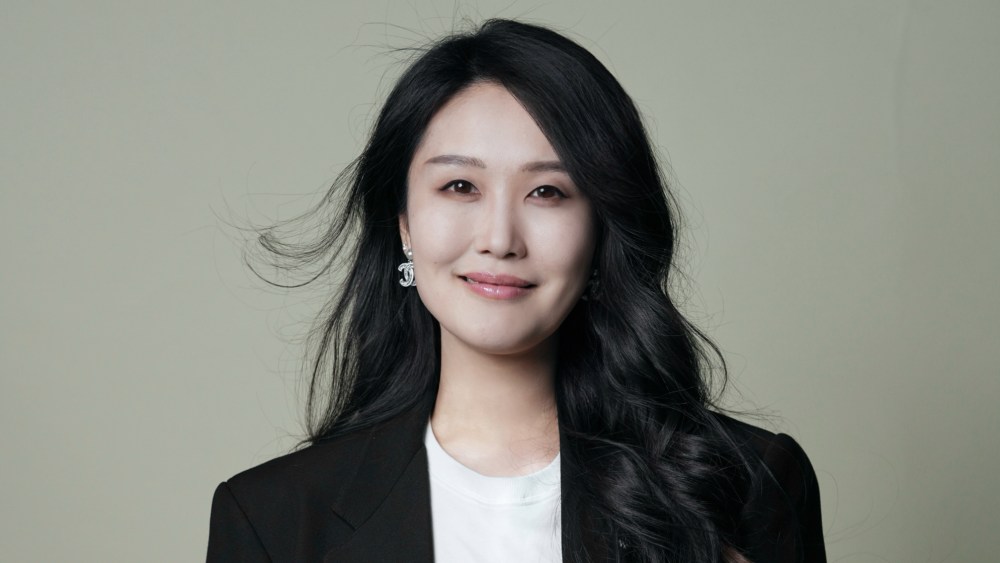
Shein has made significant strides not only in the fast-fashion sector but also in the beauty industry through its offshoot, Sheglam. The innovative brand has gained impressive ground since its inception in 2019, spearheaded by Sylvia Fu, who has a strong background in consumer goods and previously worked with Shein’s founder, Chris Xu. Although Shein’s ultra-low prices often steal headlines, Sheglam’s formidable emergence has been quieter yet equally remarkable. With a focus on affordable, trendy beauty products, Sheglam entered the market with the Color Bloom Liquid Blush, setting a viral trend in motion that would soon see it become a beloved player among Gen Z consumers.
The brand’s growth trajectory has been nothing short of impressive. Reports indicate that Sheglam achieved net sales of $400 million in 2024, marking a 60% increase from the previous year. It has even made it into the WWD Beauty Inc Top 100 list, surpassing well-known names like Maesa and Parlux. A major driver of Sheglam’s success is its savvy use of social media, particularly TikTok. The platform has become a vital marketing channel for Sheglam, where it has cultivated a following of nearly 10 million and generated significant earned media value through creator-driven content.
As Sheglam continues to expand, Fu has emphasized the importance of aligning product design with social media trends, making it easier for consumers to engage with their makeup in relatable and shareable ways. For example, the brand has concentrated on products that are easy to market, ensuring that customers know how to showcase them organically on platforms like TikTok. This strategy not only fosters community engagement but also ensures that Sheglam’s products resonate with Gen Z, the core demographic it has celebrated since day one.
In its mission to expand its global presence, Sheglam has begun to venture into physical retail spaces, aiming to reach consumers in the Middle East and Latin America first. The brand is now available in over 900 stores across the Gulf states and has established a notable market presence in Japan, Colombia, and Mexico, while remaining exclusively online in the U.S. Fu and her team prioritize understanding U.S. consumer needs, allowing for better strategy alignment as they prepare for possible retail expansion.
However, Sheglam has not been immune to scrutiny surrounding Shein’s controversial practices regarding sustainability and labor conditions. Fu has proactively sought to dissociate Sheglam from any negative perceptions tied to Shein, creating a distinct supply chain that doesn’t overlap with its parent company’s and prioritizing ethical sourcing practices. In this new chapter, Sheglam aims to create a reputable identity in the beauty market, one that acknowledges its challenges while pushing for positive change in an industry often perceived as cutthroat.
Looking to the future, Sheglam is eager to broaden its range beyond cosmetics into hair care and styling, introducing innovative products tailored to community preferences. The brand plans to continue its commitment to localization while launching new collections inspired by popular media and regional interests. As it forges ahead, Sheglam is determined to solidify its footprint as a memorable and ethical beauty brand, maintaining affordability and quality amidst a competitive landscape and challenging market conditions.