








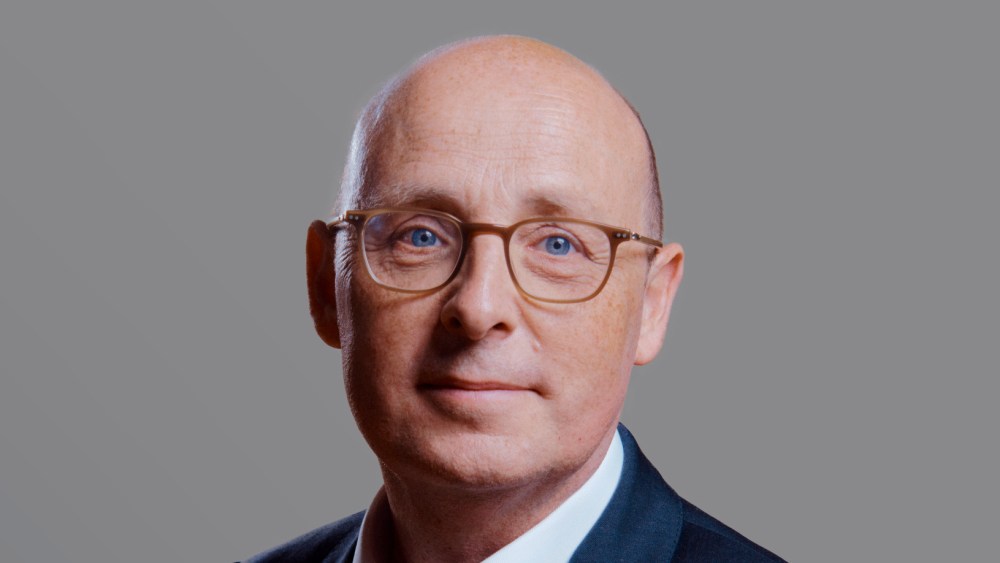
This week, prominent leaders from Sephora gathered in New York City for the company’s first global brand summit, an event heralded as essential for its future direction. CEO Guillaume Motte greeted approximately 200 brand representatives, emphasizing the event’s role in reinforcing Sephora’s commitment to being the preferred retail partner in an increasingly competitive beauty landscape. “We believe it’s crucial to convey our optimism to our brand partners,” he shared, underscoring the importance of collective growth in a market where external demand is often in flux.
The summit takes place at a pivotal moment for Sephora, currently a bright spot within parent company LVMH. While the company reported impressive growth figures—a 4% revenue increase and a significant 28% jump in operating profit in its Selective Retailing division—challenges loom, especially in key markets. Significant shifts in consumer behavior and rising competition from platforms like Amazon and TikTok Shop have redefined the retail landscape. For instance, while markets in Latin America and the UK show positive signs, the U.S. and Australian markets remain challenging. Motte’s goal is clear: to navigate these complexities while reinforcing Sephora’s global standing and exclusive partnerships.
Sephora plans to keep up its growth momentum by launching around 150 new stores over the next three years, including new locations in Belgium, Croatia, and additional doors in the UK. Beyond expanding its physical presence, the company is focusing on optimizing its existing stores, seeking to enhance market share in areas where it holds potential. With current U.S. market share hovering at around 50% in top markets and just 5% in others, Motte views this as a treasure trove of opportunity. His vision underscores the notion that while growth is impressive, significant upside remains, particularly in the vast U.S. beauty market.
2025 proved significant for Sephora with the successful launch of Hailey Bieber’s Rhode brand, reportedly generating $65 million in sales shortly after its debut. This fortifies Sephora’s prowess in product launches, even as it experiences competition for exclusivity in certain markets, like Australia, where it lost Rhode to rival retailer Mecca. Motte contended, however, that exclusivity need not be a zero-sum game. He explained, “Bringing something unique to our customers is our primary goal,” suggesting that even broadly available brands can offer exclusive ranges and activations that drive customer engagement.
To further innovate, Sephora recently formed a partnership with Korean beauty retailer Olive Young, creating designated zones within its stores. This initiative will help Sephora tap into K-beauty trends, catering to a demographic seeking affordability alongside quality. Motte’s foresight aligns Sephora strategically within a faster-moving sector of beauty, aiming to balance various price points while addressing current consumer demands. He remains optimistic about the overall makeup category, particularly with numerous upcoming foundation launches, and expects fragrance and haircare sectors to thrive.
Motte is also scrutinizing broader trends impacting retail, particularly the role of artificial intelligence and the need for agility in operations. Recognizing the fleeting nature of product lifecycles and consumer interests, he iterates the importance of responding swiftly to evolving trends. “How do we answer the trend and better plan those fast trends?” he asks, indicating a shift in strategy to ensure Sephora remains relevant. In this rapidly transforming market, maintaining flexibility in operations and responding to consumer behavior will be critical to Sephora’s enduring success and growth.


