








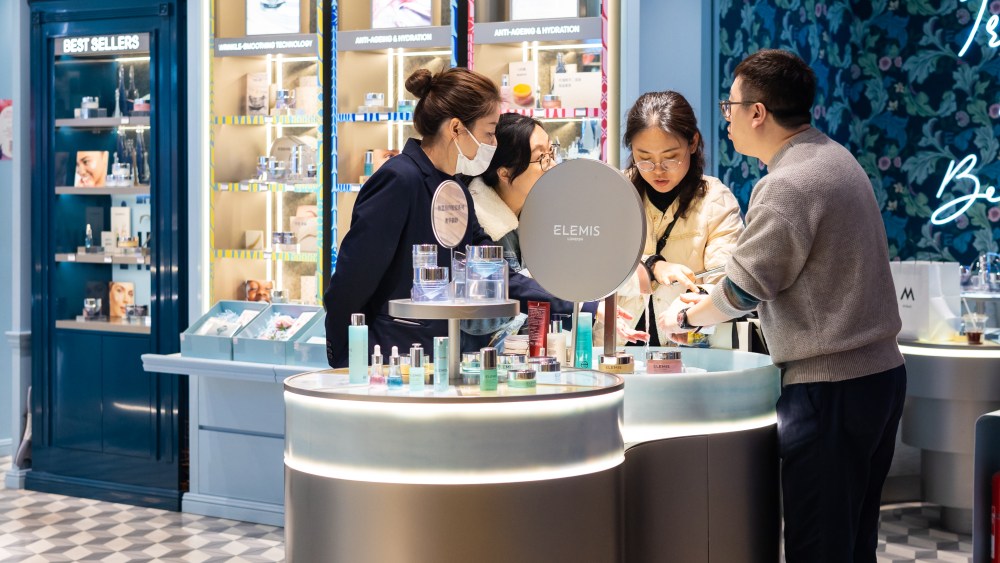
A recent report from Euromonitor International highlights an emerging trend in Asia’s beauty and health market known as “recession glam.” As inflation impacts consumer spending, people are redefining what they value in beauty products. Instead of simply seeking premium products with high price tags, consumers are now looking for those that offer perceived value and purpose. This change is prompting a re-evaluation of the beauty industry’s priorities, emphasizing cost-effectiveness while still delivering satisfaction.
This shift in consumer behavior is particularly visible in the fragrance market, which has experienced impressive growth in regions like Singapore and Vietnam. In fact, these countries are projected to see fragrance sales rise by 11 percent and 31 percent, respectively, by 2024. This category is becoming popular as it offers small, indulgent treats at more accessible prices, making it an attractive option for those who are cautious about their spending. Overall, Euromonitor forecasts a 31 percent growth in the fragrance category over the next five years, underscoring a change in consumer priorities toward affordable luxuries.
The report outlines several nuanced consumer behaviors that align with the “recession glam” trend. Shoppers are increasingly purchasing mini-size products, hunting for deals, simplifying their beauty routines, and utilizing multi-functional products. Many are also turning to budget-friendly yet trustworthy brands. This frugality is being coupled with a deeper engagement with brands that offer a sense of loyalty and satisfaction, reflecting a broader shift in how consumers approach beauty and personal care spending.
Beyond “recession glam,” Euromonitor also identifies other broad trends shaping the industry. Among these are “clinical confidence”—where skincare brands incorporate advanced ingredients similar to those used in aesthetic procedures—and “healthspan plans,” which focus on supplements that promote slow aging rather than treating aging itself. Brands are innovating by offering products with UV protection and ingestible ingredients, aligning beauty with wellness. As the industry evolves, it’s clear that consumers now expect more than just cosmetics; they want comprehensive solutions that enhance their overall quality of life.
Interestingly, while sustainability is a growing concern in many regions, the report indicates that its relevance varies across Asia. Some product categories, such as hair care and skincare, have noted performance boosts even without sustainability claims. This suggests that while eco-conscious efforts are appreciated, they are not the primary driver for consumer purchases in every sector. The beauty market in Asia amounted to $183 billion, representing a significant 31 percent of the global market, and is anticipated to experience a steady annual growth of 3 percent over the next five years.
Despite the growth in e-commerce, with online shopping increasing from 19 percent to 30 percent in the last five years, some traditional retail channels are still thriving. Establishments like warehouse clubs and variety stores cater to consumers seeking offline experiences along with effective cost options. Meanwhile, China continues to be a crucial player in the beauty industry, despite a slight decline in market size due to changing consumer attitudes. Niche segments, such as child skincare and dermacosmetics, show signs of growth, suggesting that marketing plays a key role in reviving interest and sales within this landscape. Companies that are willing to invest in smart marketing strategies have opportunities to capture the market’s attention and spur renewed growth, particularly in an evolving consumer environment.


