

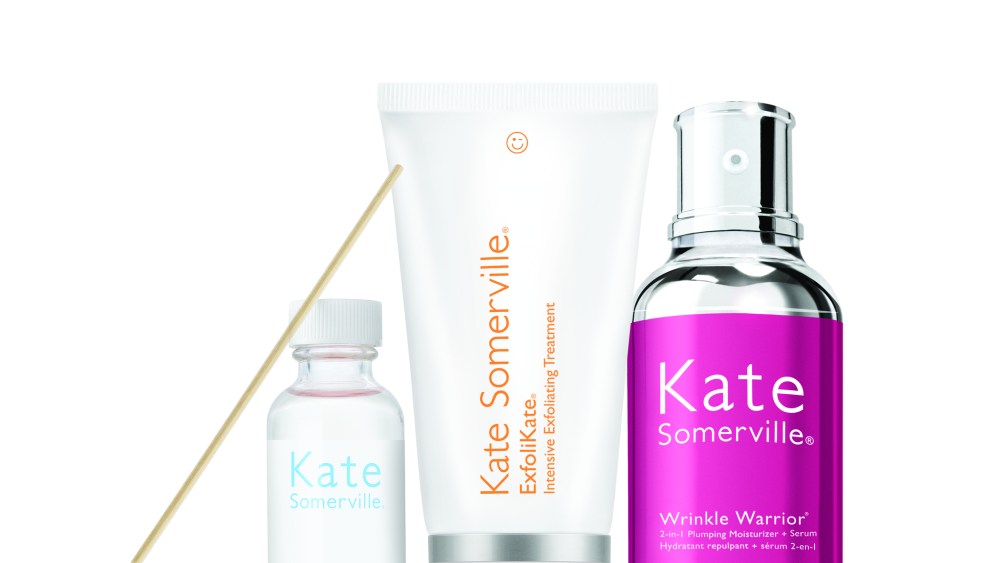
Unilever has recently made a notable move in the beauty industry by selling the skin care brand Kate Somerville to Rare Beauty Brands. The details of the deal were not publicly disclosed, although it includes a well-known clinic located on Melrose Place in Los Angeles. This transaction marks a significant transition for a brand that has carved out its reputation in the crowded skincare market since being founded by aesthetician Kate Somerville in Los Angeles. Unilever initially acquired the brand in 2015, but Kate Somerville has faced challenges in keeping up with its competitors in recent years.
Mary Carmen Gasco-Buisson, CEO of Unilever Prestige, highlighted the hard work that has gone into attempting to rejuvenate the Kate Somerville brand. She emphasized that the company believes new ownership aligned with the brand’s evolving needs is essential for its continued growth. This gesture signals Unilever’s shift in strategy, as the brand struggled to maintain its relevance in a rapidly changing beauty landscape.
Chris Hobson, the president and CEO of Rare Beauty Brands, expressed excitement over this acquisition, calling it a milestone for his company. He noted that Rare Beauty Brands has long appreciated Kate Somerville’s innovative and results-driven approach to skin care. Hobson’s vision includes leveraging the brand’s strengths to not only inspire and empower communities but also to explore new avenues for growth and consumer engagement in the realm of high-quality skincare.
Amid rumors about Unilever’s intent to sell Kate Somerville, the company is actively reshaping its portfolio by divesting underperforming assets. In recent times, Unilever has let go of several beauty brands, including Elida Beauty and Suave North America, both sold to Yellow Wood Partners. Unilever’s strategy appears aimed at focusing on higher-performing segments, particularly in beauty and personal care.
Unilever’s CEO Fernando Fernandez made it clear in a recent earnings report that the company’s future priorities are rooted in beauty, well-being, and personal care. With 21% of the group’s turnover generated from its beauty division in the first half of the year and sales growing steadily, Unilever is placing a stronger emphasis on premium segments and digital commerce in key markets like the U.S. and India. This analysis indicates a clear path toward sustained investment and growth in the beauty sector.
The sale of Kate Somerville to Rare Beauty Brands is expected to finalize by the fourth quarter of 2025, pending regulatory approvals. This transition represents not just a change of ownership but also the potential for renewed innovation and engagement as the brand seeks to capture the attention of skincare aficionados and expand its reach in the market. The future looks promising as Rare Beauty Brands aims to honor the legacy of Kate Somerville while propelling the brand into a new, exciting chapter.